Last updated October 31, 2026
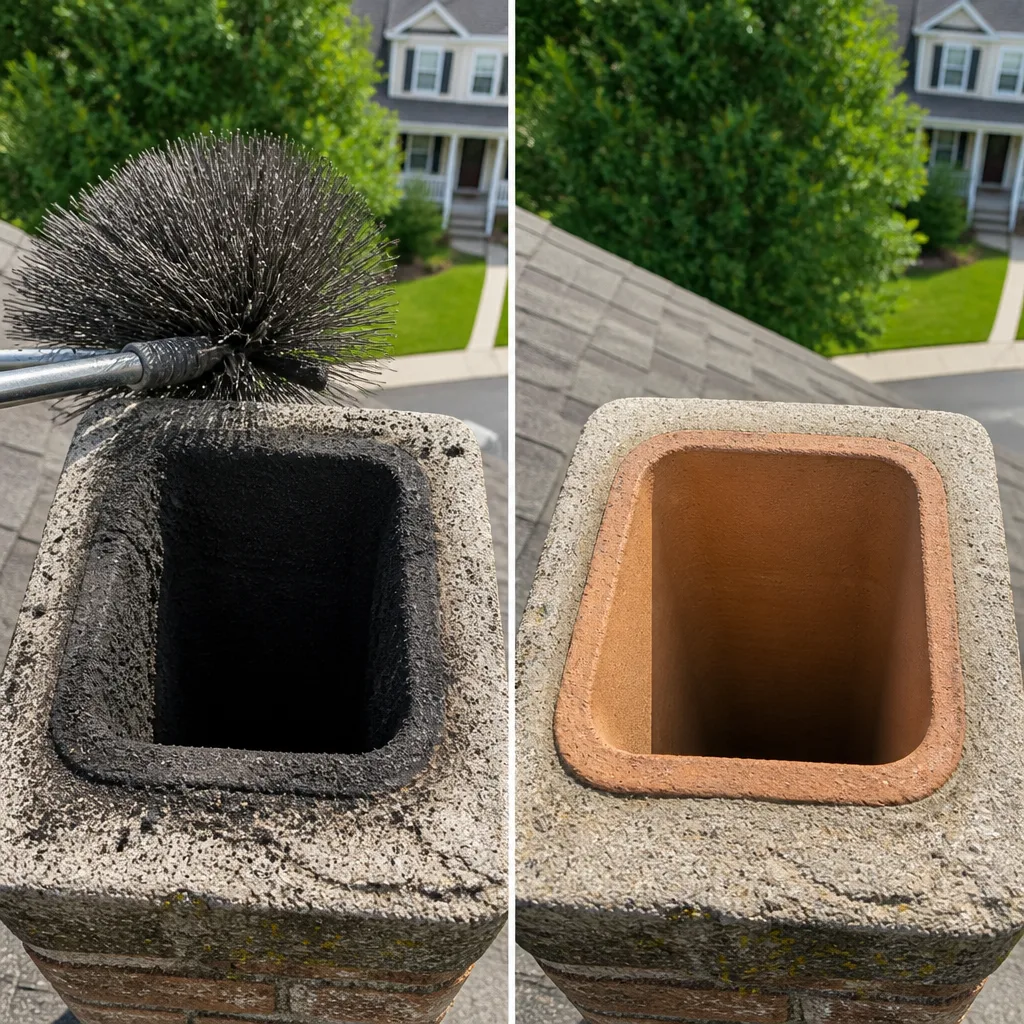 Sweep & inspection
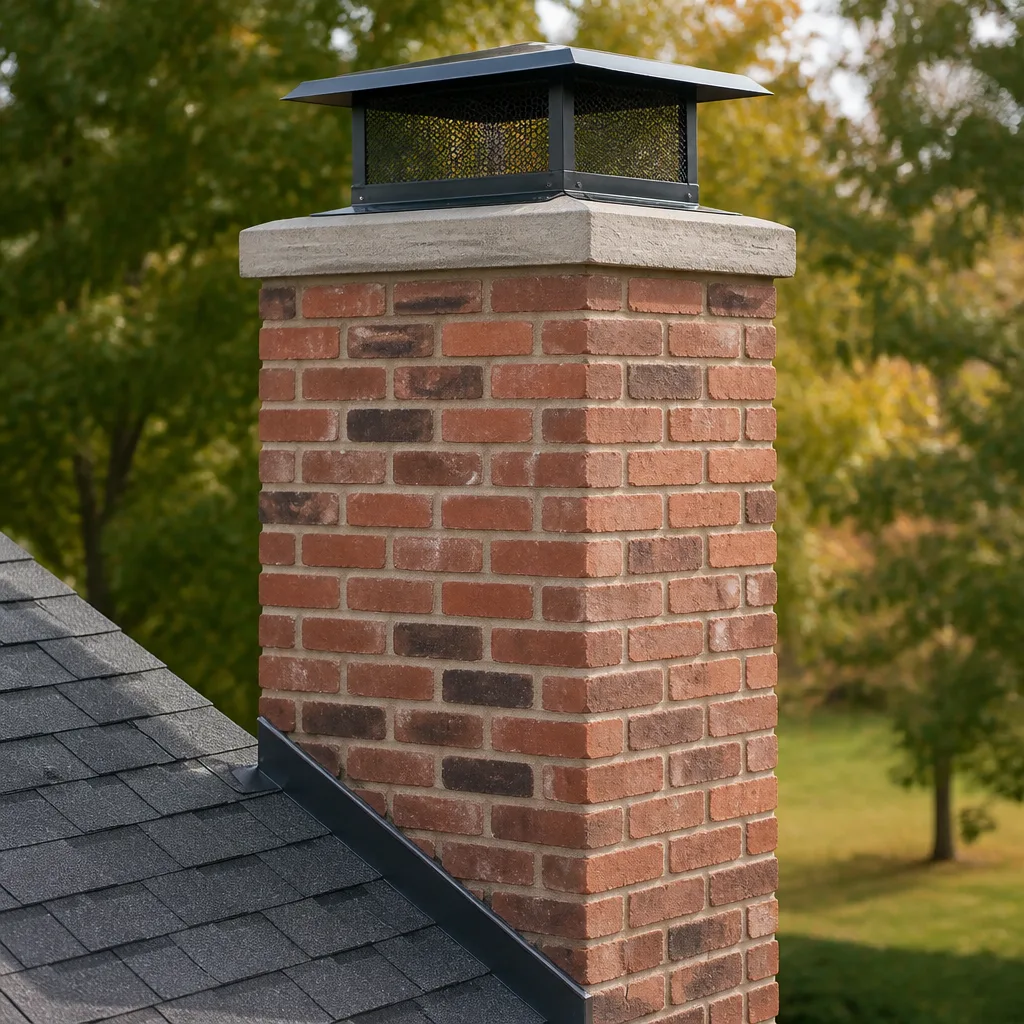 Caps & crowns
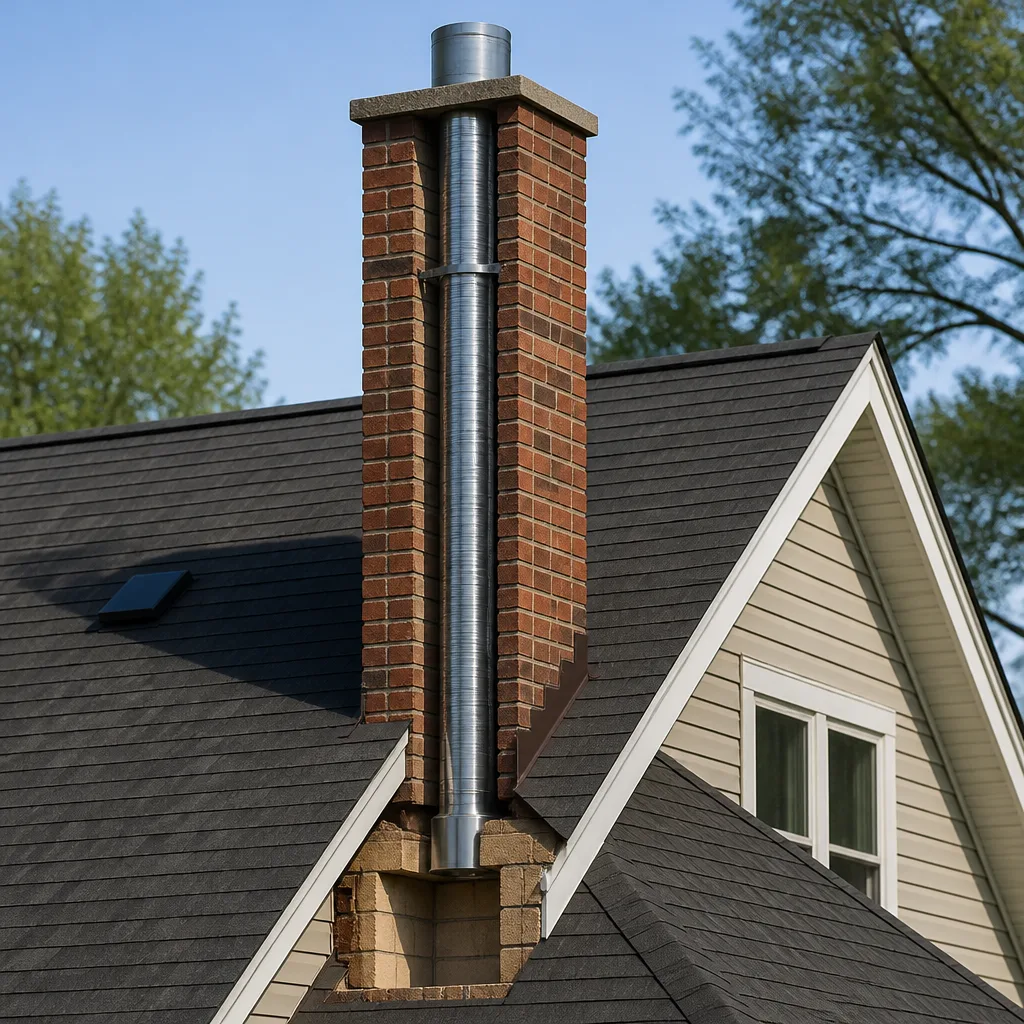 Flue relining
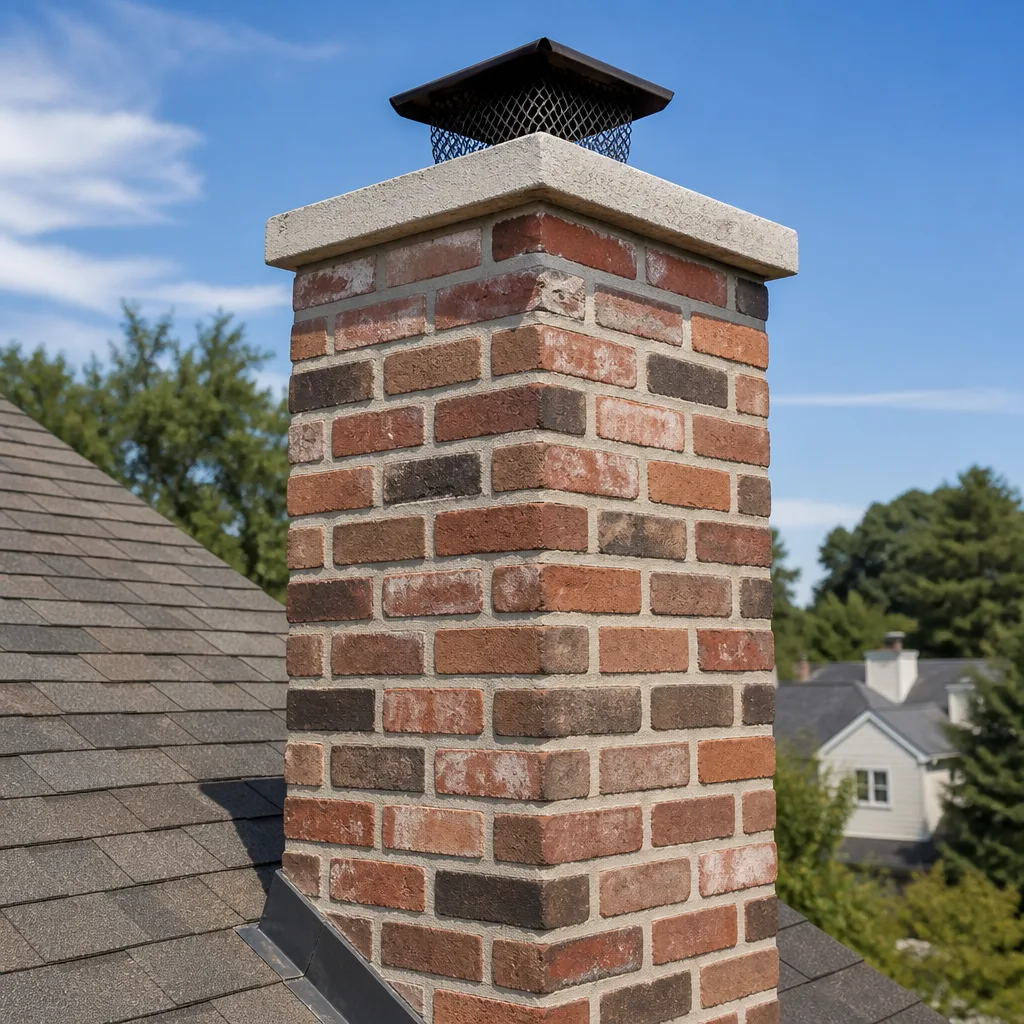 Masonry repair
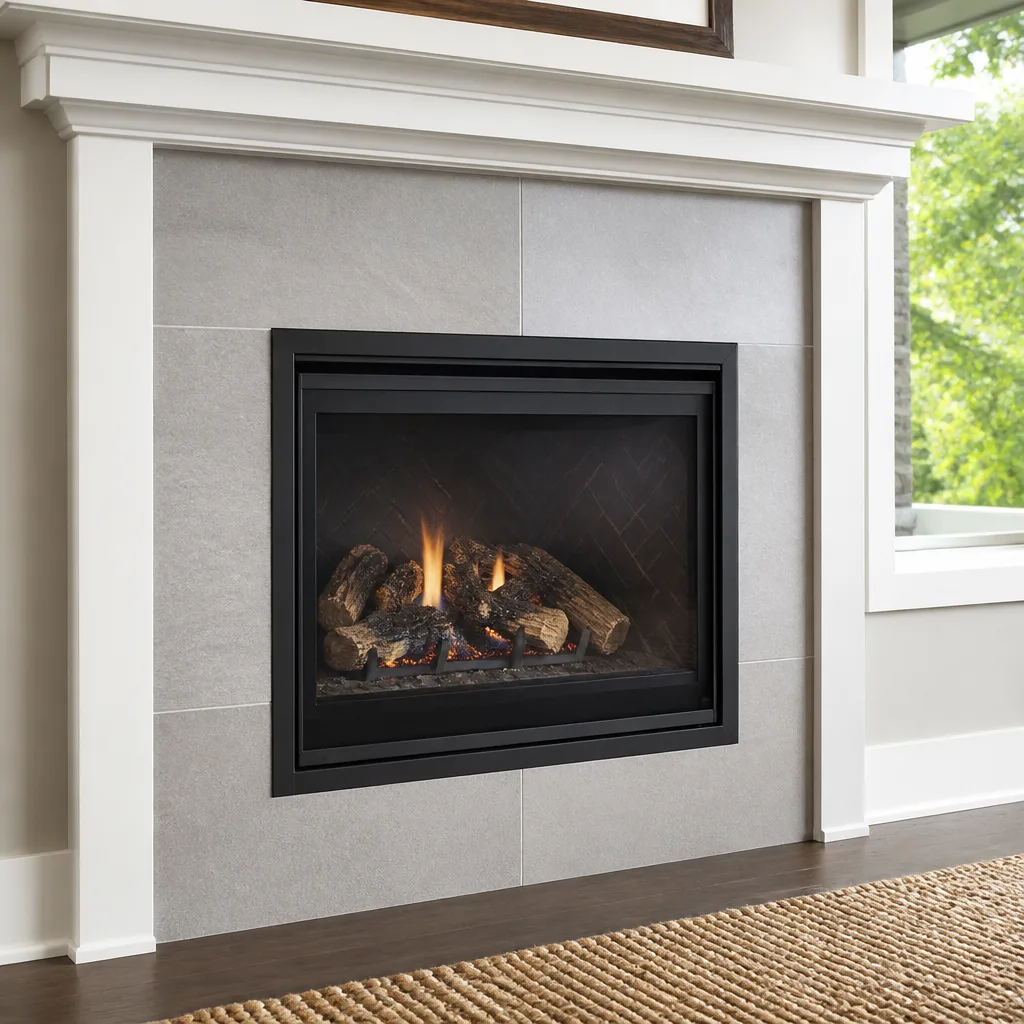 Gas fireplace service
Level 1 sweep and inspection to the NFPA 211 annual standard - flue, crown, cap, and flashing checked and photographed
Chimney sweep logs do not sweep chimneys. They loosen some creosote - which then falls where a brush and vacuum still have to collect it.
The Complete Guide to Chimney Cleaning in Belmont Cragin
Most chimney guides read like they were written for a brand-new subdivision in Arizona. Belmont Cragin isn’t that. Drive down any residential street here and you’ll see the same thing: two-flats and bungalows with Chicago common brick, most of them built before 1960. Those chimneys weren’t designed for modern gas inserts or high-efficiency furnaces. They were designed for coal and wood, then retrofitted over decades, sometimes by people who shouldn’t have been on a roof. That retrofit history creates liner compatibility issues, spalling brick, and venting conditions that generic sweep checklists miss entirely. This guide covers what actually matters for chimney cleaning in Belmont Cragin: the brick, the freeze-thaw cycle, the gas conversions, and why an annual sweep here catches problems a visual check from the ground never will. For more, see our Seasonal Chimney Cleaning Care for Belmont Cragin: Year-Round Homeowner’s Guide.
Styles & brands we work with
Quick Answer
Chimney cleaning in Belmont Cragin typically costs between $180 and $350 for a standard sweep and visual inspection, though pre-1960 homes with gas-converted fireplaces or deteriorating mortar may need a Level 2 video inspection ($250 to $500) before cleaning starts. Most Chicago-area sweeps recommend annual cleaning for wood-burning fireplaces and at least every other year for gas inserts, since even “clean-burning” gas produces corrosive residue that eats at older clay liners.
Table of Contents
- Why Belmont Cragin Chimneys Are Different
- How Often Should You Clean Your Chimney in Belmont Cragin?
- Level 1 vs. Level 2 Inspections: What Local Homes Actually Need
- The Gas-Converted Fireplace Problem Nobody Talks About
- Chicago Common Brick, Old Mortar, and the Freeze-Thaw Cycle
- What Chimney Cleaning Costs in Belmont Cragin in 2025
- What Actually Happens During a Chimney Sweep
- DIY Sweeping vs. Professional Cleaning: What You Can Safely Check Yourself
- Common Mistakes to Avoid
- When to Call a Professional
- Frequently Asked Questions
- The Bottom Line
Why Belmont Cragin Chimneys Are Different
Belmont Cragin’s housing stock is older than most people realize. A large share of the neighborhood’s residential buildings went up between 1915 and 1955, which means the chimneys were built for high-temperature coal and wood fires. Coal burns hotter than wood and far hotter than natural gas. The flues in these homes are often unlined or have original clay tile liners sized for coal’s extreme heat and high draft requirements.
Then gas heat arrived. Most of these homes were converted in the 1970s through the 1990s, often with minimal chimney modification. The problem? Gas produces lower-temperature exhaust with high moisture content. That moisture condenses on clay tile liners that were never meant to handle acidic water vapor. Over 30 to 50 years, the result is flaking clay, cracked tile sections, and deteriorating mortar joints inside the flue where nobody can see them without a camera.
That’s why a sweep in Belmont Cragin isn’t just removing soot. It’s an annual check on whether a retrofit from forty years ago is still safe. In our experience servicing this neighborhood, the classic home needing the most attention is a 1920s two-flat with a gas furnace venting through an original masonry chimney, plus a gas log set in the hearth on the first floor. The combustion profile of that setup is nothing like what the original builder planned for.
The cold fact is that chimney fires in older Chicago housing stock tend to happen in flues that looked fine from the outside. The fire starts where creosote or corrosion damage hides: behind the smoke chamber, inside the flue tile, or at an offset where two flue sections meet. A standard visual check from the firebox can’t see any of that. That’s where the right equipment and a camera inspection change the outcome. This is also why our Chimney Sweep in Belmont Cragin page emphasizes full-flue evaluation, not just brushing from the roof.
How Often Should You Clean Your Chimney in Belmont Cragin?
The National Fire Protection Association (NFPA 211) standard says chimneys and vents should be inspected at least once a year. Sweeping frequency depends on what you burn and how much. But for Belmont Cragin specifically, we recommend:
- Wood-burning fireplaces used weekly in season: sweep annually, ideally in late summer or early fall before the first fire. By the time a Chicago winter hits, you want the flue clean and the inspection done.
- Wood-burning fireplaces used occasionally (holidays, a few fires per season): sweep every one to two years, but still inspect annually. Occasional fires burn cooler and produce more creosote per fire than hot, efficient fires.
- Gas log sets and gas inserts: inspect annually and sweep every two years. Gas doesn’t produce creosote, but it does produce acidic condensation that erodes clay liners over time. We see gas-converted Belmont Cragin flues with significant liner damage even when homeowners assumed gas meant “no maintenance.”
- Gas furnaces and water heaters venting through a masonry chimney: annual inspection, cleaning as needed. The issue here is not creosote but crumbling mortar and flue tile spalling from years of acidic condensate.
- Rental properties and multi-unit buildings: annual inspection and sweep. Landlords in Belmont Cragin carry greater exposure here. A chimney fire in a two-flat involves two families, not one, and insurance companies increasingly ask for documentation that flues were professionally maintained.
The common thread in all of these recommendations: inspection is non-negotiable every year. Cleaning frequency can flex, but the inspection is what catches the spalling tile, the cracked flue, or the bird nest that became a carbon monoxide risk before it becomes a fire.
What Changes the Interval?
| Condition | Effect on Cleaning Frequency |
|---|---|
| Burn mostly softwood (pine, spruce) or unseasoned wood | Shortens interval; softwood produces more creosote per cord |
| Burn manufactured logs (Duraflame, Java-Log, etc.) | Can shorten interval due to wax binders adding residue |
| Gas insert retrofitted into pre-1960 flue without a liner | Inspection becomes more urgent; may require liner evaluation |
| Water in firebox after heavy rain | Immediate inspection; likely cap or crown damage |
| Visible smoke staining on the exterior chimney face | Immediate inspection; may indicate missing flue liner section |
Level 1 vs. Level 2 Inspections: What Local Homes Actually Need
The Chimney Safety Institute of America (CSIA) defines three inspection levels. Understanding the difference saves Belmont Cragin homeowners from paying for more than they need, or worse, getting less than they need and missing a real hazard.
Level 1 Inspection
A Level 1 inspection is the standard addition to every chimney sweeping. It covers the readily accessible portions of the chimney: the firebox, damper, smoke chamber, flue interior (as far as visible from above and below), exterior cap, crown, and visible masonry. The sweep is looking for creosote buildup, blockages, cracked or spalling flue tile, and signs of water entry.
When a Level 1 is enough: You have a fireplace or chimney that hasn’t changed since the last inspection. Same appliance, same fuel, same venting setup, and no weather events or performance problems in the interim. If you had the chimney swept last year and you’re just maintaining the schedule, Level 1 is what you need.
Level 2 Inspection
A Level 2 inspection includes everything in Level 1 plus a video scan of the entire flue interior using a camera specifically designed for chimney inspection. The camera reveals what a flashlight and mirror cannot: hidden cracks between flue tile sections, voids in mortar joints, damaged areas behind the smoke chamber, and compromised liner sections at offsets.
We perform Level 2 inspections with video documentation. The homeowner sees the footage. This matters in Belmont Cragin, where older flues have had fifty years to develop hidden problems. If a sweep tells you your liner is shot and recommends a $6,000 replacement without showing you camera footage, you’re taking their word on faith. We don’t ask for that kind of trust. We show you the crack, the spalling, or the missing tile section.
When a Level 2 is required or strongly recommended:
- You’re buying or selling a home in Belmont Cragin. Real estate transactions in this market increasingly include chimney inspections, especially for pre-1960 homes.
- The chimney has had a fire. Even a small chimney fire can crack tile liners. Once that happens, the chimney is unsafe until inspected.
- The appliance or venting configuration changed. Gas insert installed? New furnace? Different fuel type? Level 2 required.
- The chimney was damaged by weather, seismic activity, or impact. The freeze-thaw cycles we get in Chicago can cause spalling that warrants a deeper look.
- You haven’t had a professional inspection in three or more years and the home was built before 1960.
For most older Belmont Cragin homes getting serious about chimney maintenance for the first time, we recommend starting with a Level 2. It establishes the true condition of the flue system in one visit, and the video documentation becomes a baseline for every inspection after. If the flue is clean and intact, great. You now know it for certain, not by assumption.
The Gas-Converted Fireplace Problem Nobody Talks About
Walk through Belmont Cragin and you’ll find hundreds of homes where a wood-burning fireplace was converted to gas decades ago. On the surface it looks like an upgrade: no more hauling wood, no more ash cleanup, no more messy fires. But the conversion created a maintenance issue that rarely makes it into generic chimney guides.
Natural gas burns cleaner than wood in the visible sense. No smoke billowing up the flue, no black creosote coating the tiles. But gas combustion produces two byproducts that cause real problems in old flues: water vapor and acidic residues. In a flue designed for hot coal exhaust, gas exhaust is comparatively cool. By the time it reaches the upper flue, the water vapor has condensed into liquid water carrying nitric and sulfuric acid residues from combustion.
That acidic water soaks into clay tile liners and mortar joints. Season after season, it eats at the liner from the inside. The result is flue tile spalling: thin layers of clay flaking off, weakening the tile until it cracks or a section collapses. The chimney still looks fine from outside. Inside, it’s becoming a carbon monoxide pathway.
Why annual inspection of gas-converted fireplaces matters:
- Condensate damage accumulates even when the fireplace is used only occasionally. The damage happens every time the gas runs, whether that’s once a month or every night.
- Collapsed clay tiles can block the flue, sending carbon monoxide into living spaces instead of out the chimney. Carbon monoxide is colorless, odorless, and heavier than air. It doesn’t announce itself.
- Gas fireplaces retrofitted without a properly sized liner are running at a draft disadvantage. The original flue was oversized for wood and coal. Gas produces less draft. The result is sluggish venting and more condensation.
- The fix is often simpler than people fear. In many cases, a HeatShield ceramic resurfacing application can restore a damaged clay flue without a full liner replacement. This is a repair method we use because it addresses the flue interior with a material designed specifically for flue service, and it usually costs substantially less than a complete relining.
If your Belmont Cragin home has a gas fireplace installed in an original masonry chimney, and you haven’t had a Level 2 video inspection in the last five years, schedule one before the next heating season. It’s the only way to know whether the flue is still sound or quietly failing.
Chicago Common Brick, Old Mortar, and the Freeze-Thaw Cycle
Chicago common brick is soft. That’s not an insult; it’s a material property. Common brick is fired at a lower temperature than face brick, which makes it more porous and less dense. Those pores absorb water. When the water freezes, it expands by roughly 9%. When it thaws, it contracts. Repeat that cycle dozens of times every Chicago winter and the brick face starts to spall: the surface flakes off in sheets and chunks.
Older mortar compounds this. Pre-1960 Belmont Cragin homes often have lime-based mortar, which was the standard before Portland cement mortar became common. Lime mortar is softer and more breathable than modern mortar, which was good for allowing moisture to escape from the wall. But after a century of freeze-thaw cycling, that lime mortar is often crumbly, washed out, or missing entirely from the upper courses of the chimney.
Here’s where it connects to chimney cleaning. When a sweep works on an older Belmont Cragin chimney, the cleaning tools and techniques need to account for the condition of the brick and mortar.
- Wire brush aggressiveness: Aggressive mechanical brushing on a flue with spalling tile can worsen the damage. We adjust brush type and pressure to the flue’s condition, which is why a real inspection precedes aggressive cleaning.
- Water sealers and moisture management: A chimney with soft common brick needs proper flashing, a sound cap, and a crown that sheds water away from the brick. Without those, water entry feeds the freeze-thaw damage cycle every winter.
- Repointing needs: Crumbling mortar joints need repointing with a mortar compatible with the original lime-based mix. Modern Portland cement mortar is too hard and too stiff for old common brick, and can cause more spalling than it fixes.
- Structural watch points: A Level 1 inspection includes a check of the visible masonry. A Level 2 adds the flue interior. Both are opportunities to spot spalling brick and deteriorated mortar before a section of chimney face falls onto a sidewalk or a roof.
In short, older brick doesn’t get the same treatment as newer masonry. We work with the condition of the chimney, not against it, and we flag masonry problems early enough that they’re repairable rather than structural. That’s part of why a local specialist with experience in this exact housing stock matters more than a generalist with a shop vac.
What Chimney Cleaning Costs in Belmont Cragin in 2025
Pricing transparency matters. You should know what you’re paying for and why an older Belmont Cragin home might cost more than a newer suburban house. These are market ranges from our service area, not manufacturer list prices.
| Service | Typical Price Range | Notes |
|---|---|---|
| Standard chimney sweep + Level 1 inspection | $180 to $350 | Price varies by flue size, accessibility, and degree of creosote buildup |
| Level 2 video inspection (add-on) | $150 to $350 | Standalone Level 2 runs $250 to $500 |
| Complete Level 2 inspection (standalone) | $250 to $500 | Recommended for pre-1960 homes, real estate transactions, and gas-converted fireplaces |
| Chimney cap installation (standard stainless steel, multi-flue) | $200 to $600 | Brand and size dependent; prevents water entry and animal nesting |
| HeatShield ceramic flue resurfacing | $2,500 to $5,500 | Repairs damaged clay flues without full liner replacement; flue access and length affect price |
| DuraFlex stainless steel liner installation | $2,800 to $6,000 | Full relining for masonry and factory-built applications; material grade and flue length affect price |
| Crown repair/seal | $300 to $1,200 | Depends on crown size and condition |
Why does a Belmont Cragin chimney sometimes cost more than a suburban one? Access. Older two-flats often have chimneys located mid-roofline with steep pitches, requiring more safety equipment and time. Manual chimney cleaning from the firebox side may be possible but slower than roof access. And if the flue hasn’t been serviced in years, the technician is working through heavier creosote or negotiating decades of deferred maintenance.
Most importantly, a proper sweep gives you documentation and clear recommendations. If a technician tells you a liner is needed, ask to see the video. If they can’t show you, get a second opinion. We show every homeowner their flue footage from a Level 2 inspection, and we explain what we’re seeing in plain terms.
For a more detailed look at our Dryer Vent Cleaning in Belmont Cragin services, including exhaust venting options, we’ve published separate pricing details. And when repair recommendations come out of a sweep, our Chimney Repair in Belmont Cragin page walks through typical repair scopes and the materials we use.
What Actually Happens During a Chimney Sweep
Here’s what a professional chimney cleaning looks like from start to finish, step by step—read our How to Hire a Chimney Cleaning Contractor in Belmont Cragin: A Step-by-Step Guide for what to expect. If a sweep skips these steps, they’re cutting corners.
- Pre-sweep inspection. Before any brushing starts, the technician examines the firebox, damper, and smoke chamber. They’re looking for damage that would be made worse by cleaning, plus obstructions like bird nests or dead animals.
- Interior protection setup. Drop cloths and a shop vacuum with a HEPA filter go down. The goal is zero soot migration into the living space. If a company doesn’t protect your floors, they don’t respect your house.
- Flue brush sizing and progress. The technician selects a brush sized to your flue dimensions. Too small leaves creosote behind. Too large can bind and damage tile. The brush runs from the roofline or the firebox depending on access.
- Creosote removal and vacuuming. Brush strokes loosen creosote, which is vacuumed continuously. This is the core of the cleaning. Heavy glazed creosote may require additional treatment beyond standard brushing.
- Smoke chamber cleaning. Typically reachable only from the firebox, the smoke chamber collects creosote and debris. Many “budget” sweeps skip this area entirely, and it’s a common site for chimney fires.
- Damper operation check. The sweep confirms the damper opens, closes, and seals properly. A warped or stuck damper affects both safety and heating efficiency.
- Exterior inspection. The cap, crown, flashing, and visible brickwork get evaluated. The technician checks for cracks, missing mortar, rusted flashing, or animal entry points.
- Level 1 or Level 2 report. You get a written or verbal report of findings, including any recommended repairs with priority levels. We provide photo and video documentation for Level 2 inspections.
- Cleanup and walkthrough. The work area is vacuumed and returned to its prior condition. Then we walk you through what we found, what we did, and what might need attention next season.
The whole process typically takes 45 to 90 minutes for a standard sweep, longer if the chimney is heavily coated, the roof is difficult to access, or the flue has internal damage requiring more careful handling.
DIY Sweeping vs. Professional Cleaning: What You Can Safely Check Yourself
There’s a difference between things you can monitor yourself and things that require a trained professional with the right equipment. We’re not telling you to never look at your chimney. We’re telling you where the DIY line is.
What You Can Check Yourself in Belmont Cragin
- Visible smoke staining on the exterior chimney face. Dark streaks on the brick, especially near the roofline, can indicate a flue liner problem or drafting issue.
- Water in the firebox after rain. This points to cap, crown, or flashing failure. Note when it happens and call before winter freeze cycles worsen the damage.
- Crumbling mortar on the chimney’s upper courses. If you see loose brick or missing mortar from the ground, it’s already time for a masonry evaluation.
- Animal activity. Scratching sounds, nesting material visible at the top, or birds entering and leaving the chimney are all signs a cap may be missing or damaged.
- Unusual odors from the fireplace. A strong campfire smell when the fireplace isn’t in use suggests excessive creosote or a drafting problem.
- Smoke entering the room during use. This is never normal. If your fireplace smokes into the house, stop using it and get a professional assessment.
What You Should NOT Attempt Yourself
Chimney sweeping involves heights, specialized brushes, and the risk of making existing flue damage worse. Working on a roof in Belmont Cragin, where many homes have single-story bungalow roofs with steep pitches, carries fall risk. Creosote removal from inside the flue requires proper sizing and technique to avoid damaging clay tile. And honestly, the most important part of a proper sweep is not the brushing: it’s the inspection. You can’t inspect what you can’t see without a camera.
If you’re hands-on and want to understand your chimney’s condition, ask us for the video footage. We’ll walk you through it. You get the understanding without the roof risk.
Common Mistakes to Avoid
- Skipping annual inspection because “we don’t use the fireplace much.” In Belmont Cragin, the hazard often isn’t how often you use the chimney. It’s what the last fifty years of weather and retrofitting did to the flue while you weren’t looking.
- Assuming gas fireplaces don’t need maintenance. Gas logs still vent through the flue, and their exhaust deteriorates clay liners over time. We see liner damage in gas-converted fireplaces every season.
- Letting a handyman who “does chimneys on the side” evaluate a pre-1960 flue. Older flues need camera inspection, proper brush sizing, and familiarity with Chicago brick and mortar conditions. A generalist who doesn’t stock the right equipment can’t do a meaningful flue evaluation.
- Ignoring chimney cap and crown condition. Water entry is the slow killer of Chicago chimneys. A missing or rusted cap lets rain and snow into the flue, where it accelerates mortar decay and tile spalling through every freeze-thaw cycle.
- Burning unseasoned wood to save money. Green wood produces more creosote per fire, which means more frequent cleanings and a higher fire risk. Seasoned hardwood costs more per cord but burns cleaner and hotter.
- Replacing a clay liner without considering HeatShield resurfacing. In many cases, a damaged clay flue can be restored with ceramic resurfacing rather than fully replaced. A full tear-out is not always the answer, and capable specialists will present both options.
- Treating chimney cleaning as a commodity service and choosing on price alone. A $99 “sweep special” often skips the smoke chamber, skips the inspection, and leaves you with a receipt and no information. The value of a proper sweep is the inspection report, not the brush time.
When to Call a Professional
Call a chimney professional if you see smoke staining on exterior brick, if water enters the firebox during rain, if you smell creosote or campfire odor when the fireplace is unused, if you hear animal activity in the chimney, or if the fireplace smokes into the room during use. Any of these signals warrants immediate professional evaluation. If you’re buying or selling a Belmont Cragin home, a Level 2 inspection before the transaction closes can save you from inheriting a liner problem you didn’t know about. If your chimney had a fire, no matter how small, stop using it and call. Even a small chimney fire can crack the flue and create a carbon monoxide pathway.
Crossroads Chimney Sweep offers free estimates in Belmont Cragin – call (877) 265-6720.
Frequently Asked Questions
A standard chimney sweep with a Level 1 inspection in Belmont Cragin generally runs $180 to $350. A Level 2 video inspection adds another $150 to $350, or $250 to $500 as a standalone service call. Call (877) 265-6720 for an exact quote – estimates are free.
Wood-burning fireplaces used regularly should be swept annually; occasional-use fireplaces can go two years between cleanings but still need annual inspection. Gas fireplaces and furnaces venting through masonry chimneys should be inspected annually and swept every two years. Chicago’s freeze-thaw cycle means water intrusion gets worse every winter it goes unaddressed, so the annual check is your best defense.
Sometimes you need a liner, sometimes you need a less invasive fix, and sometimes you don’t need either. The only way to know is with a video inspection that shows the actual flue interior. HeatShield ceramic resurfacing restores damaged clay tile flues without full tear-out in many cases, at a fraction of the cost of a complete liner replacement. A trustworthy sweep will show you the footage and explain your options without pressure. If you’re being quoted thousands of dollars sight unseen, get a second opinion.
Creosote accumulates faster than most homeowners expect. Three years of weekly wood burning can produce enough creosote to fuel a chimney fire. In gas-converted fireplaces, skipped maintenance means acidic condensate continues eroding the clay liner undetected. A chimney that looks fine from the ground can be a carbon monoxide risk, a fire risk, or both. Annual inspection is cheap insurance against both.
You can handle some exterior visual checks, but a true chimney cleaning requires roof access, proper brush sizing, and the ability to inspect the flue interior with a camera. In Belmont Cragin, where many roofs are steep and chimney locations are mid-roofline, the fall risk alone argues for a professional. And the brushing is only half the value; the inspection is what keeps your home safe. Call (877) 265-6720 to schedule a proper sweep and inspection.
A Level 1 inspection covers accessible portions of the chimney and is included with every standard sweep. A Level 2 inspection adds full video scanning of the flue interior, which reveals hidden cracks, spalling tile, and mortar joint deterioration that a visual check can’t detect. Belmont Cragin homes built before 1960 should get a Level 2 at least once to establish a baseline of flue condition.
Yes, if you have an open flue, installing a stainless steel cap is one of the most cost-effective chimney protections available. Caps prevent rainwater entry (the leading cause of freeze-thaw spalling damage), block animal nesting, and reduce downdrafts that push combustion gases back into the house. We install caps sized to your specific flue.
The Bottom Line
Chimney cleaning in Belmont Cragin means more than sweeping soot. The neighborhood’s pre-1960 housing stock, Chicago common brick, freeze-thaw weather patterns, and widespread gas conversions create a distinct set of maintenance needs. An annual inspection catches liner erosion from gas exhaust, spalling tile from decades of condensation, and masonry deterioration from decades of Chicago winters. A proper sweep includes the inspection, the smoke chamber, the damper check, and a report you can act on. If we find damage, we show you the video and explain your options: HeatShield resurfacing when the flue is salvageable, DuraFlex relining when it’s not, and a full chimney repair scope when masonry is involved. If you’re in Belmont Cragin and haven’t had your chimney evaluated recently, start with a Crossroads Chimney Sweep home visit. It begins with a phone call.
Call Crossroads Chimney Sweep at (877) 265-6720 for a free estimate on chimney cleaning, inspection, or repair in Belmont Cragin.
Written by the team at Crossroads Chimney Sweep, serving Belmont Cragin since 2014. Browse more guides & resources from our team.
See the difference
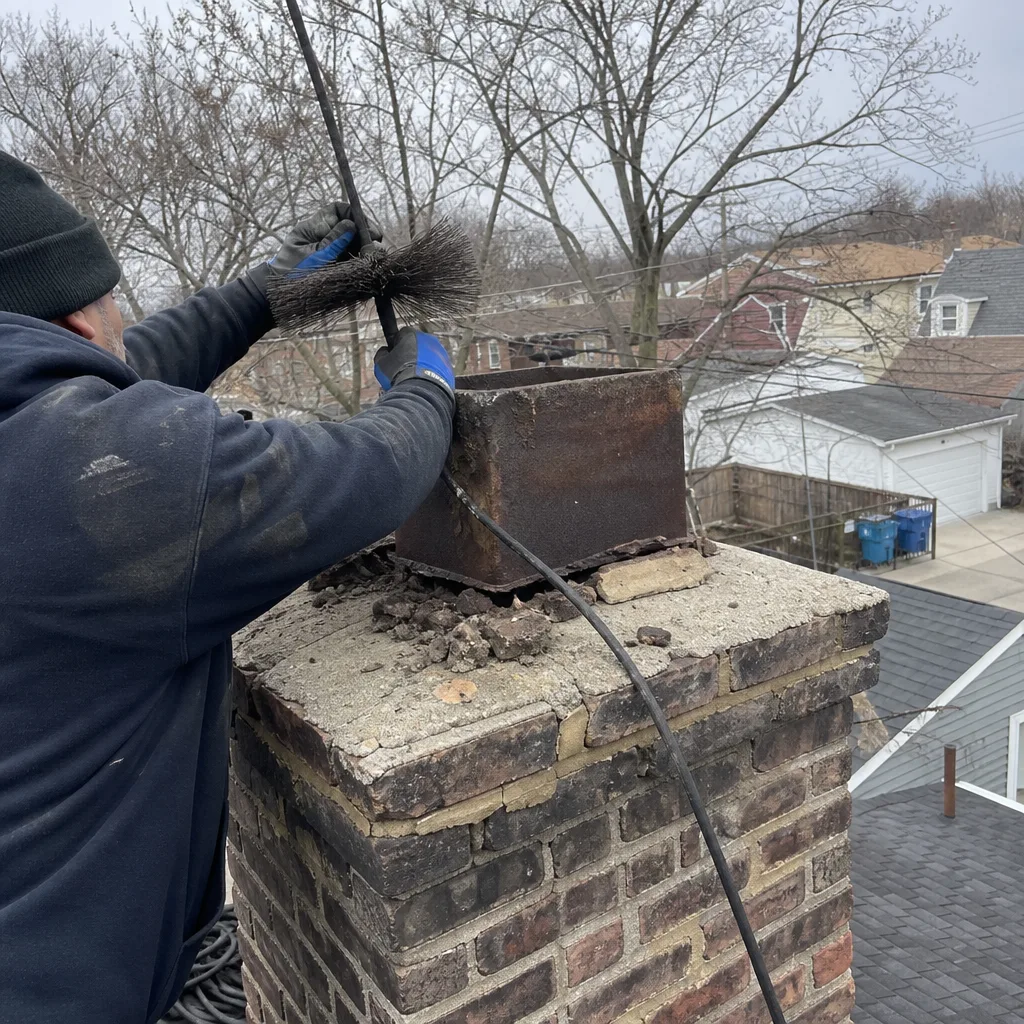 Before
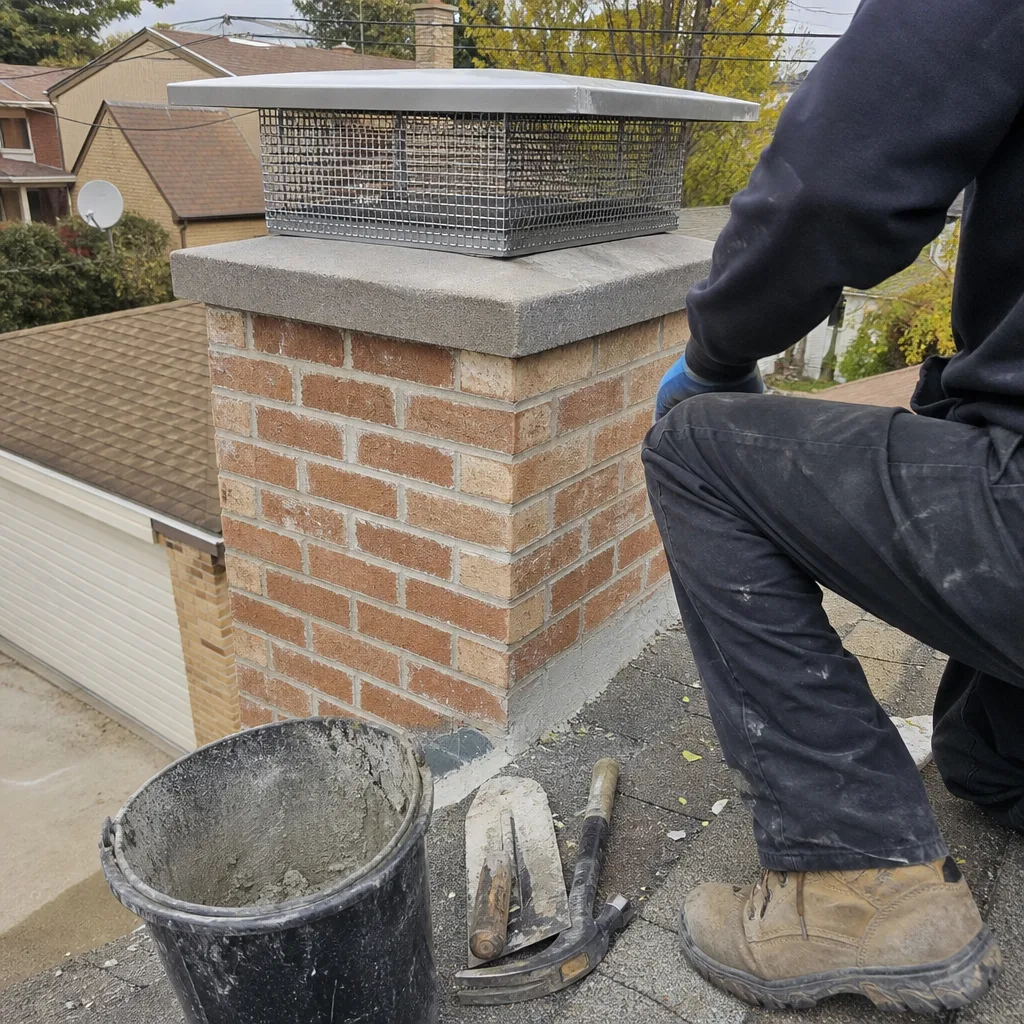 After
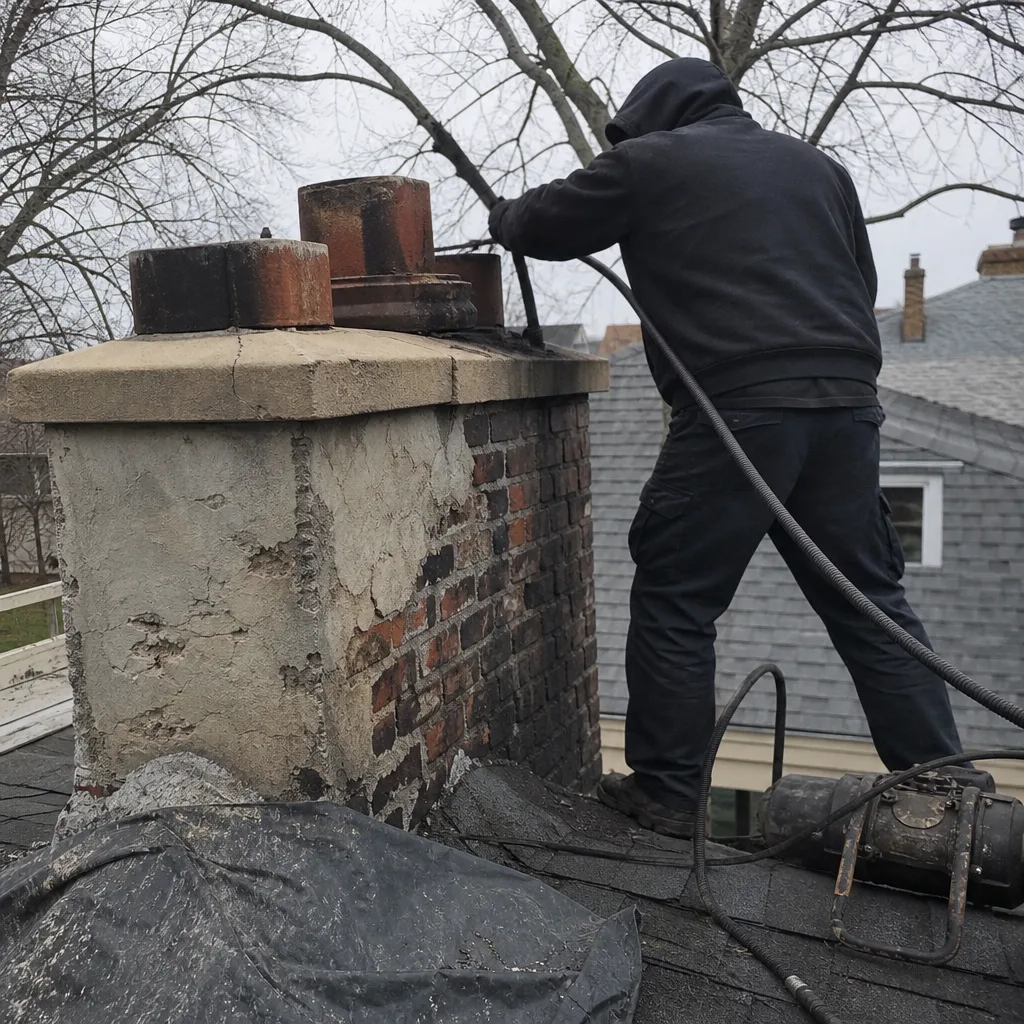 Before
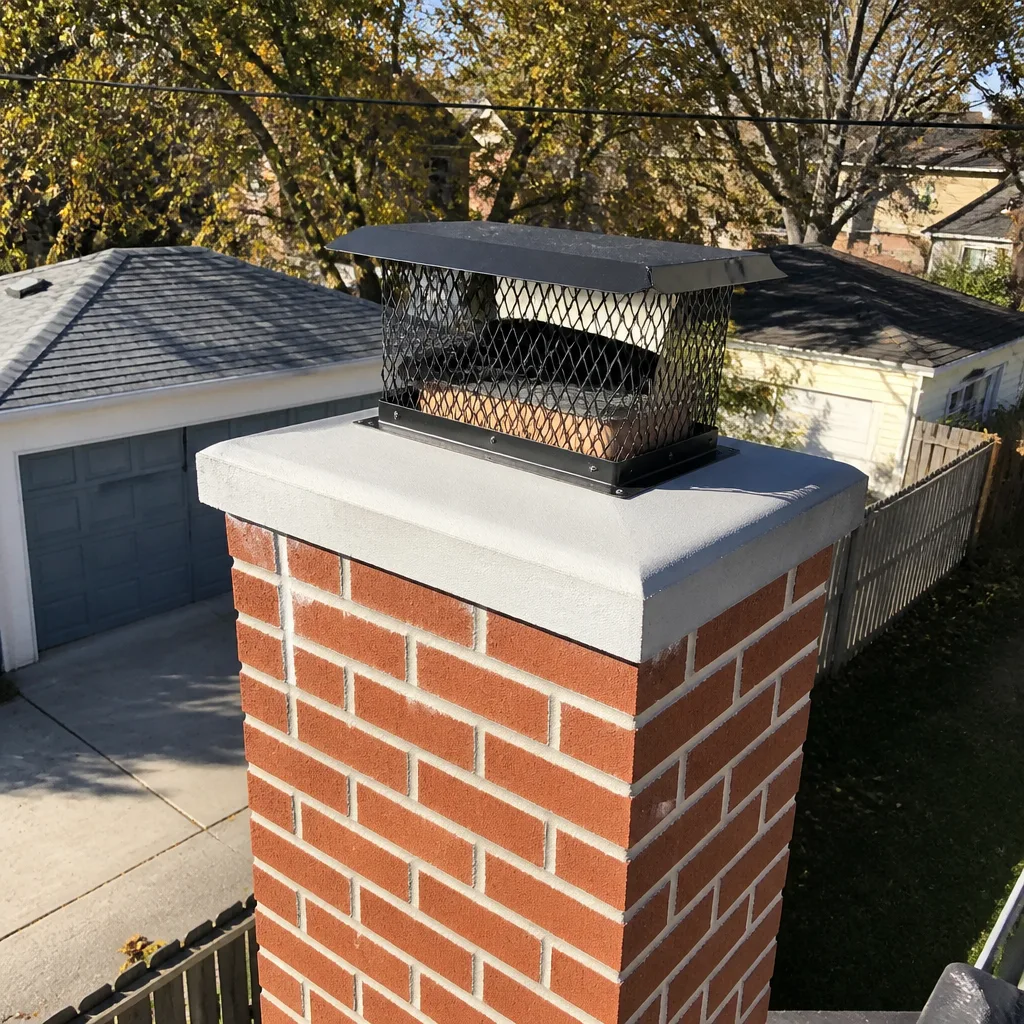 After
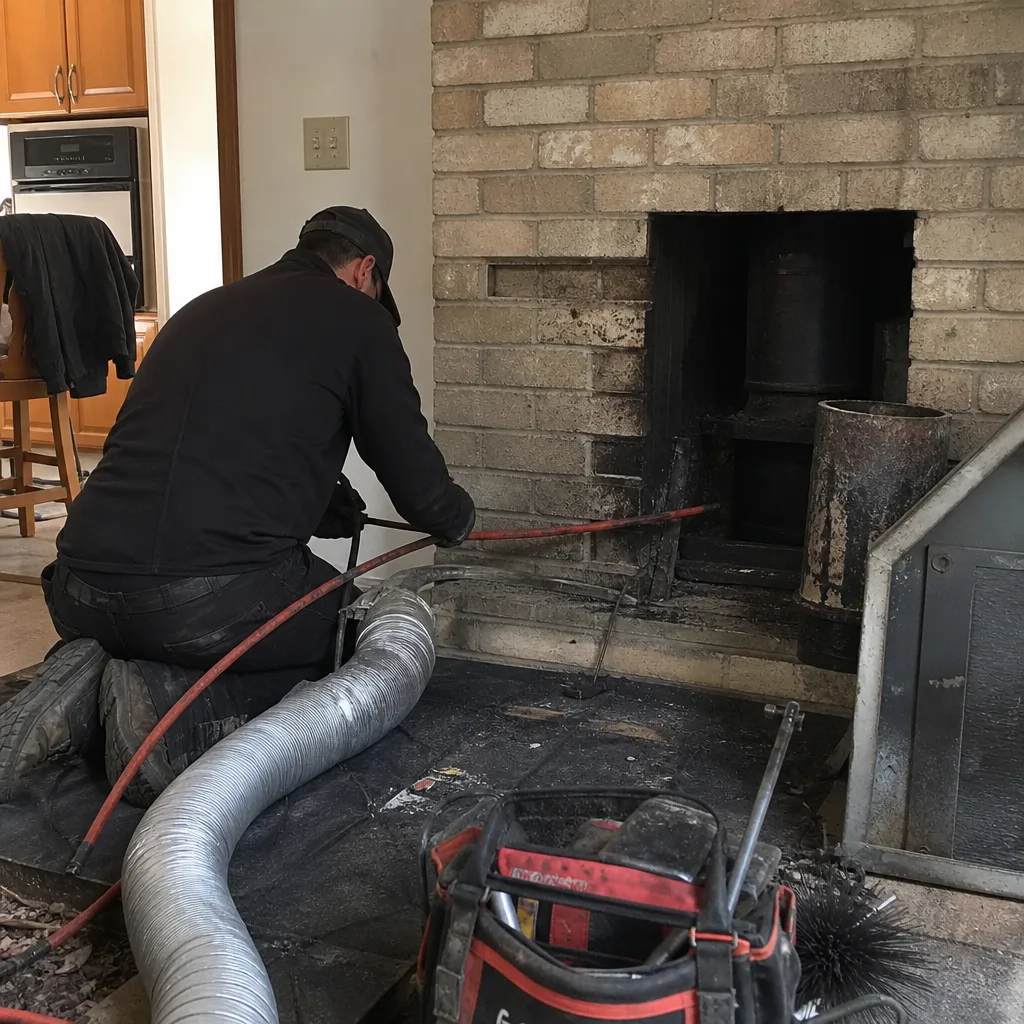 Before
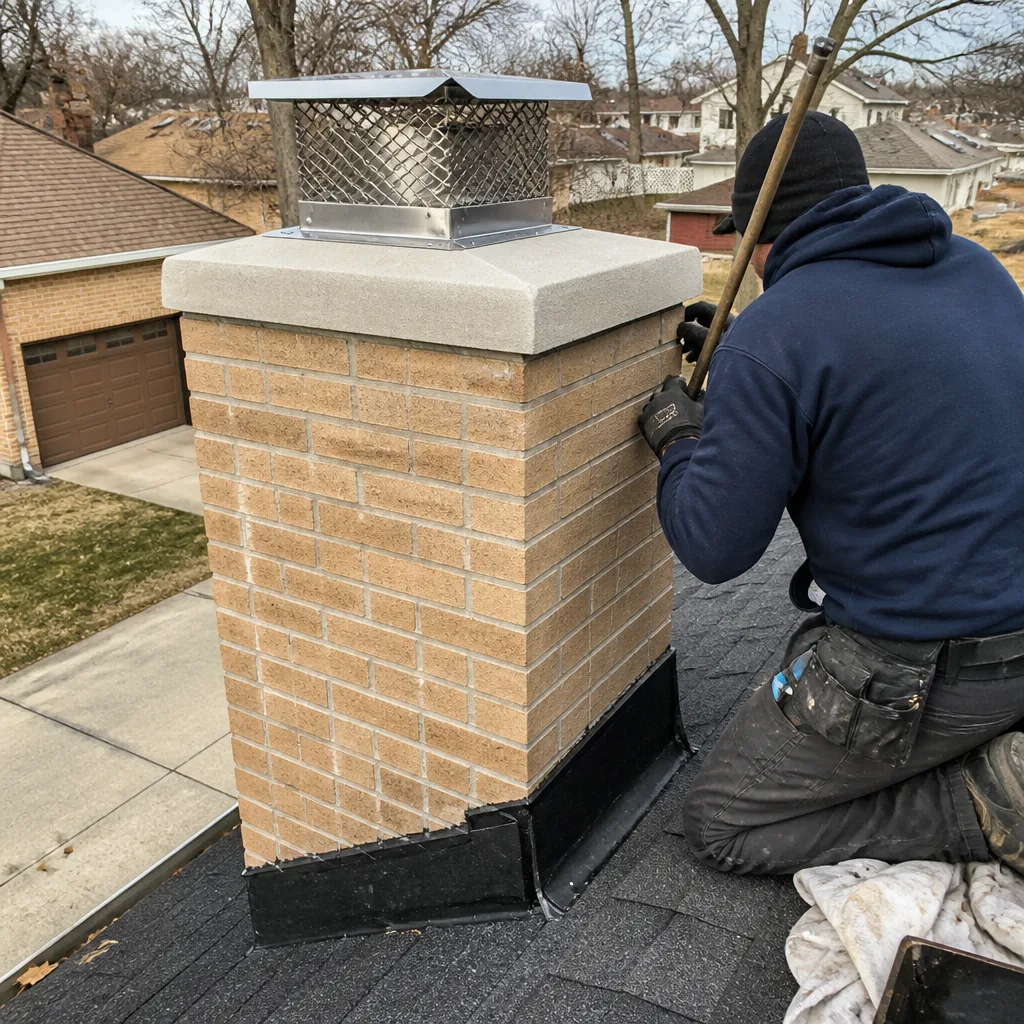 After