Last updated October 31, 2026
 Sweep & inspection
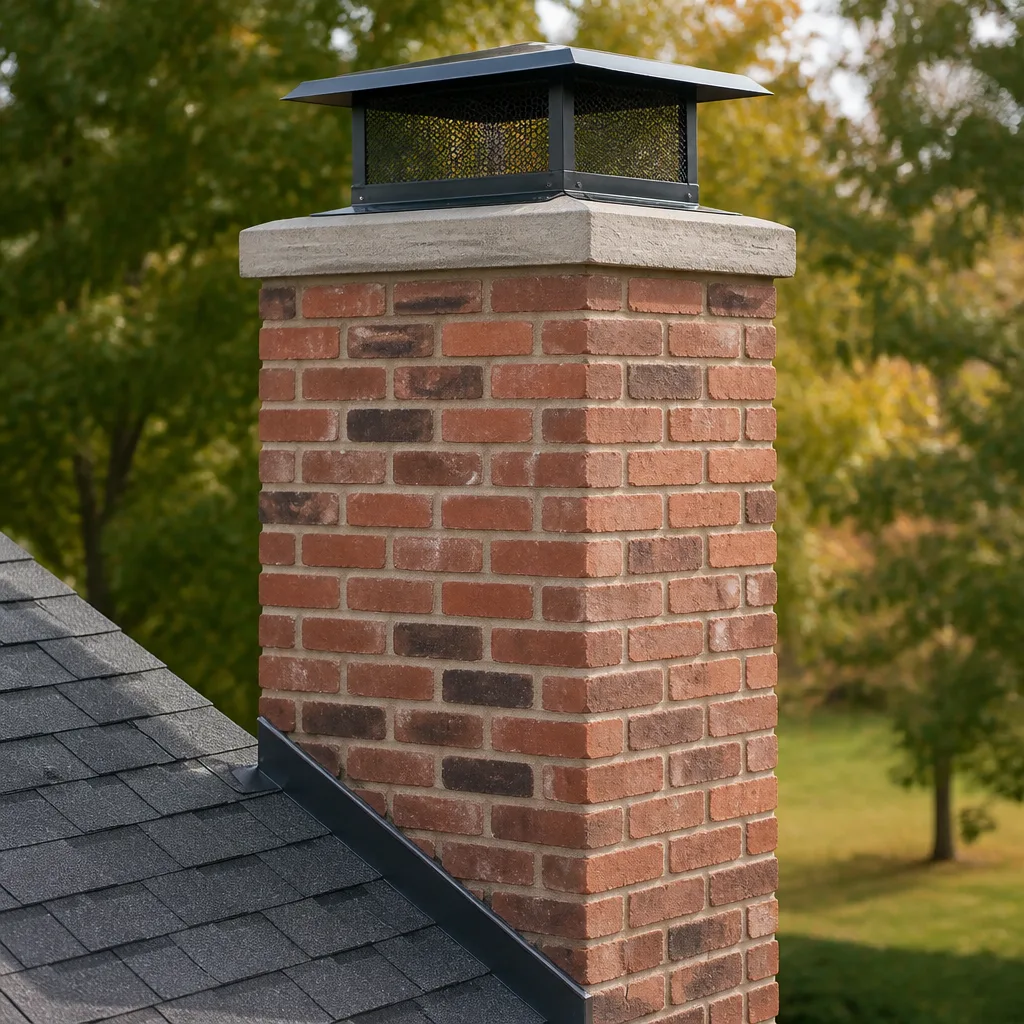 Caps & crowns
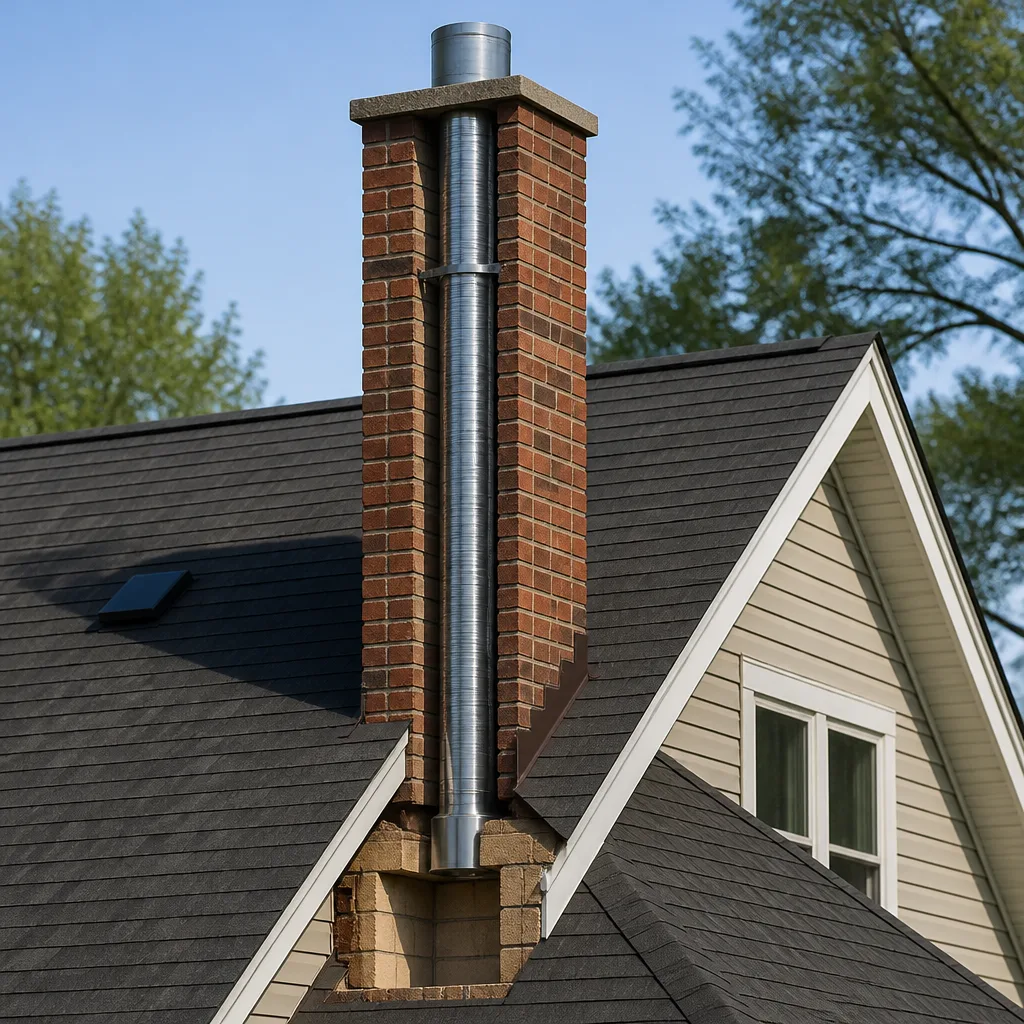 Flue relining
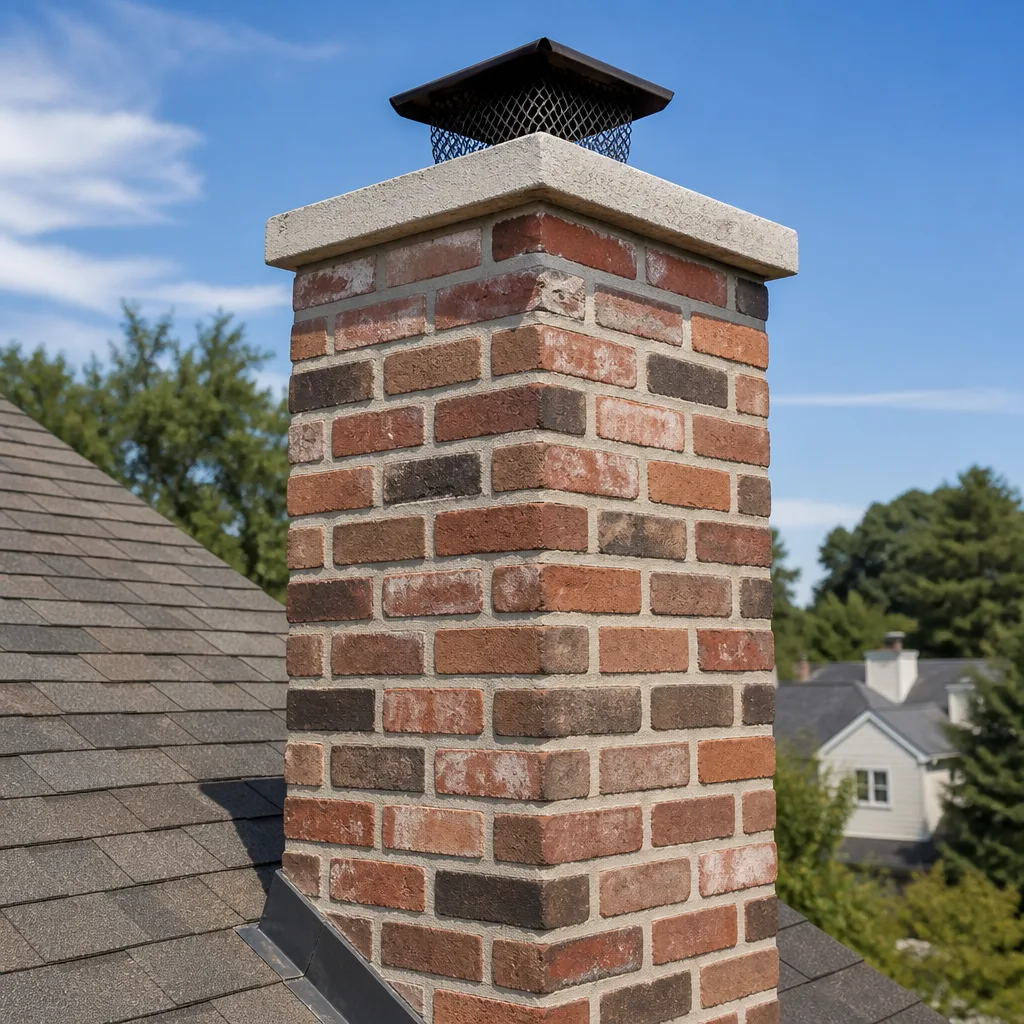 Masonry repair
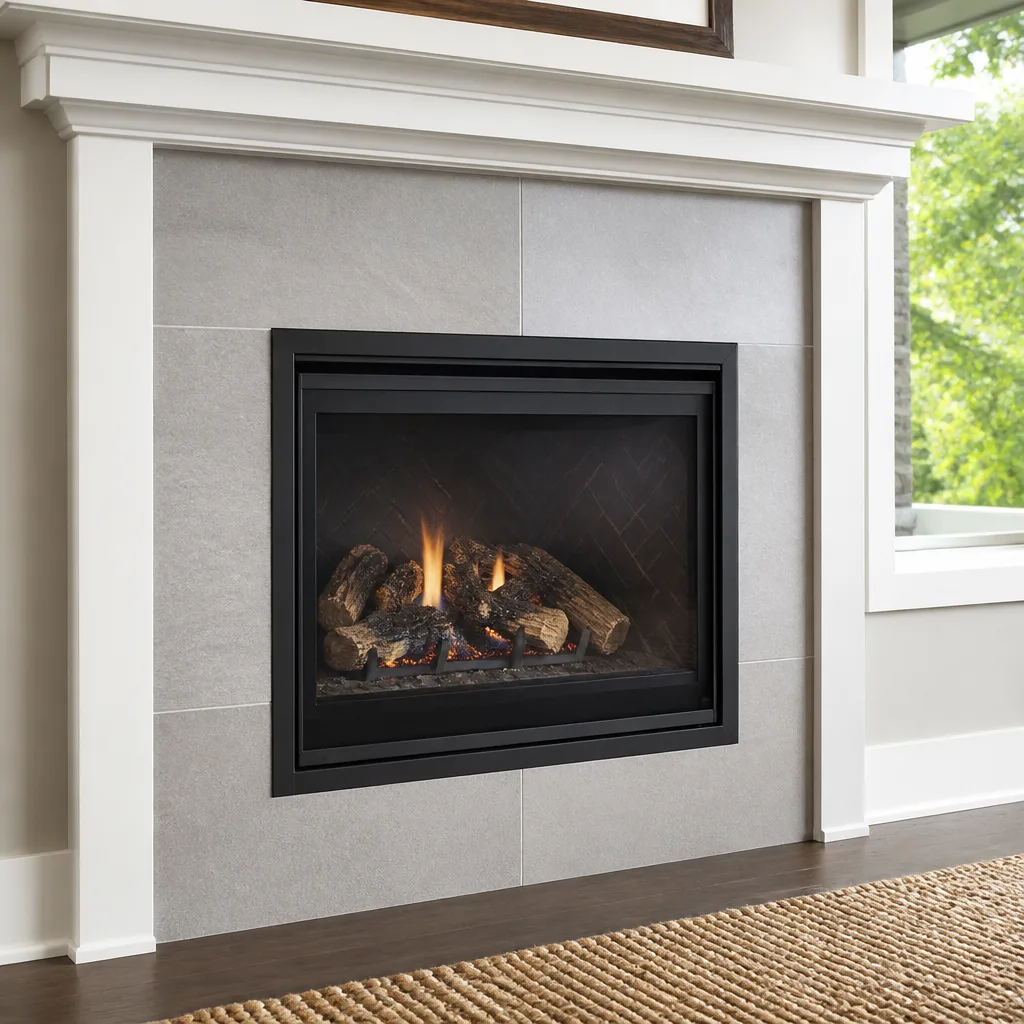 Gas fireplace service
Level 1 sweep and inspection to the NFPA 211 annual standard - flue, crown, cap, and flashing checked and photographed
Chimney sweep logs do not sweep chimneys. They loosen some creosote - which then falls where a brush and vacuum still have to collect it.
The Complete Chimney Sweep Guide for Belmont Cragin Homeowners
Most homeowners can’t tell if a chimney sweep actually cleaned their flue or just ran a brush through the smoke chamber and called it done. If you’re unsure what to expect, start with our Chimney Sweep services to see what a thorough job looks like. We hear it from Belmont Cragin residents all the time: the invoice says “swept and inspected,” but nobody can say what that actually involved. Knowing the difference starts before the technician ever arrives at your door, and it can mean the difference between a safe fireplace season and a chimney fire waiting for the coldest night of the year. This guide maps the entire sequence: what should happen during a professional visit, what each inspection level covers, how fuel type changes the job, and what you should receive when the work is finished. You’ll also learn how Belmont Cragin’s specific climate and housing stock affect chimney deterioration faster than homeowners in drier Midwest cities experience.
Styles & brands we work with
Quick Answer
A complete chimney sweep in Belmont Cragin involves a CSIA-level inspection, mechanical cleaning of the flue and smoke chamber, and a written report with photos documenting what was found. Expect prices between $180 and $350 for a standard wood-burning fireplace sweep, with costs rising if a Level 2 camera inspection or repair recommendations are needed. The entire visit typically takes 60 to 90 minutes for a routine cleaning, and you should receive documentation before paying.
Table of Contents
- The Three CSIA Inspection Levels: What Each One Actually Covers
- How Fuel Type Changes the Sweep: Wood, Gas, and Oil Profiles
- Why Belmont Cragin’s Clay Soil and Freeze-Thaw Cycles Accelerate Chimney Deterioration
- Tools of the Trade: Rotary Systems vs. Hand Rods for Different Liner Materials
- What a Legitimate Sweep Should Leave Behind: Reports, Photos, and Findings
- The Complete Sweep Sequence: Step by Step Through a Professional Visit
- When Cleaning Isn’t Enough: HeatShield Resurfacing and DuraFlex Liners
- Common Mistakes to Avoid
- When to Call a Professional
- Frequently Asked Questions
- The Bottom Line
The Three CSIA Inspection Levels: What Each One Actually Covers
The Chimney Safety Institute of America defines three inspection levels, and understanding them changes how you evaluate any chimney sweep quote in Belmont Cragin. A Level 1 inspection is what accompanies every routine cleaning: the technician visually examines the readily accessible portions of the flue, appliance, and chimney structure, confirming that the system is clear of obstructions and structurally sound enough for continued use. This is the right level when nothing about your system has changed since the last cleaning.
A Level 2 inspection becomes necessary when you’ve made a change to the system: a new liner, a new appliance, a change in fuel type, or a change in property ownership. It also follows any event that could have damaged the chimney, like a chimney fire, a lightning strike, or the 2020 Midwestern derecho that sent tree limbs through dozens of Chicago roofs. A Level 2 includes everything in Level 1 plus a video scan of the flue interior, an attic and crawlspace check, and a thorough review of clearances to combustibles. If you’re buying a home in Belmont Cragin, your mortgage lender may require one. If you’re selling, having one on hand can sidestep closing delays.
A Level 3 inspection goes further still: it involves opening up portions of the chimney structure or surrounding building materials to access areas that can’t be reached otherwise. This is rare, but it becomes necessary when a Level 2 finds hidden deterioration, a suspected breach in the flue wall, or damage from a past fire that was never properly repaired. In practice, most Belmont Cragin homes need a Level 1 annually and a Level 2 when the property changes hands or when a new appliance goes in. Any company that can’t explain these three levels before quoting you a price is probably not doing a thorough job.
How Fuel Type Changes the Sweep: Wood, Gas, and Oil Profiles
Fuel type dictates the creosote and debris profile, and a chimney company that treats every flue the same is missing half the diagnosis. Wood-burning fireplaces produce three stages of creosote: Stage 1 is a flaky dust that brushes out easily, Stage 2 is a tar-like glaze that requires rotary scraping or chemical treatment, and Stage 3 is a hardened, glossy deposit that can only be removed with specialized tools or a liner replacement. In Belmont Cragin, we see a lot of Stage 2 creosote in fireplaces that burn unseasoned wood purchased from gas station bundles, which is convenient but often still green enough to produce heavy smoke and sticky residue.
Gas inserts have a completely different profile. They don’t produce creosote in the same way, but they do produce acidic condensate that corrodes terracotta flue tiles over time, especially when the appliance is a high-efficiency model with a smaller exhaust stream. Gas sweeps focus on soot, corrosion flakes, and ensuring the termination cap hasn’t been blocked by leaves, bird nests, or the occasional raccoon that finds Belmont Cragin’s bungalow chimneys inviting. We also check the gas log set positioning and burner operation, because a gas fireplace that’s misaligned can create carbon monoxide without ever looking dirty from the living room side. The chimney sweep in Belmont Cragin we perform for gas systems is a different checklist than what a wood burner receives.
Oil furnace flues are a third category entirely. Oil combustion produces sulfur-laden soot that’s acidic, and it accumulates differently depending on whether the furnace burns efficiently or runs rich. An oil flue that hasn’t been swept in five years often has a crusty, scalloped soot formation that requires a stiffer brush and more time. We see oil flues most often in older Belmont Cragin homes that still use heating oil rather than natural gas, and these flues demand annual attention precisely because the soot is corrosive when it sits through Chicago’s humid summers. Regardless of fuel, the sweep should end with a visual confirmation that the flue is clean from firebox to rain cap.
Why Belmont Cragin’s Clay Soil and Freeze-Thaw Cycles Accelerate Chimney Deterioration
Chicago is one of the worst large cities in America for masonry chimneys, and Belmont Cragin sits squarely in the freeze-thaw path. The neighborhood’s soil is heavy clay, a leftover of the ancient Lake Michigan lakebed. Clay holds water. When the ground freezes in January, that trapped water expands by roughly 9% in volume, and the expansion pushes against foundation-level masonry including chimney bases and hearth footings. Soils in Arizona or even southern Indiana don’t heave the way clay-heavy Chicago soils do. Every winter, Belmont Cragin chimneys go through dozens of freeze-thaw cycles, and each one works on mortar joints like a slow crowbar.
What this means practically: tuckpointing and crown repair aren’t optional cosmetics in this neighborhood. A hairline crack in a chimney crown lets water in; that water freezes overnight; the crack widens; more water enters. By spring, what started as a surface blemish is now a spalled brick face and a crown with a one-inch gap. The cycle compounds. We regularly pull report data on Belmont Cragin chimneys that show advanced mortar joint deterioration on homes that, on the outside, look perfectly maintained. The issue isn’t homeowner neglect. It’s that the damage happens inside the masonry where nobody sees it until the flue liner tiles start to split.
The clay soil factor also affects chimneys with basement cleanouts, which are common in the neighborhood’s older brick bungalows and two-flats. When the clay soil around a foundation moves, the flue liner can shift or crack at the mortar joints, and that can only be verified with a Level 2 camera scan. Homeowners in drier Midwestern markets don’t deal with this at the same intensity. If you live in the Galewood or Cragin sub-neighborhoods, your chimney is experiencing more freeze-thaw stress than the same chimney would in Indianapolis or Columbus.
Tools of the Trade: Rotary Systems vs. Hand Rods for Different Liner Materials
The right cleaning method depends on the liner material, and using the wrong tool is how flues get damaged. Terracotta clay tile liners are the most common in Belmont Cragin, and they respond well to either polypropylene hand rods and brushes or rotary cleaning systems with nylon or poly brushes. Steel-wire brushes are too aggressive for terracotta, especially older tiles that have already started to flake from decades of freeze-thaw cycling. A rotary system spins whip-like nylon heads that knock creosote off the tile walls without gouging them, which is faster and better for Stage 2 deposits than a hand brush alone.
Stainless steel liners, including the DuraFlex flexible liner systems we install for masonry and factory-built applications, call for a poly brush and a gentler approach, because steel liners have a smooth inner wall that doesn’t collect creosote as aggressively as clay does. An over-aggressive steel brush can scratch or deform a stainless liner, especially at the corrugations, and those scratches become creosote collection points on a wood-burning system. A chimney company that reaches for the same brush for every liner is demonstrating the problem: the tool, not the flue, is dictating the method.
Cast-in-place liners are another category. These are less common in existing Belmont Cragin homes but appear in some newer infill construction, and they require the gentlest touch of all, usually a soft poly brush on a manual rod system. The benefit of a cast-in-place liner is that it’s monolithic, no seams, but the trade-off is that the surface can be scored by aggressive cleaning. Any legitimate sweep should be able to tell you, before starting, exactly which liner material you have (verified by the initial inspection) and which cleaning method they’ll use for it. If they can’t, they haven’t actually looked at the flue.
What a Legitimate Sweep Should Leave Behind: Reports, Photos, and Findings
The clearest signal of a professional job is the documentation, and if a chimney company leaves you with only a verbal “all good,” you haven’t been served. After any legitimate sweep in Belmont Cragin, you should receive a written inspection report that states the date, the services performed, the condition of the flue, and any findings that require your attention. The report should be specific: “Stage 2 creosote removed from first 8 feet of terracotta flue” tells you more than “chimney cleaned.”
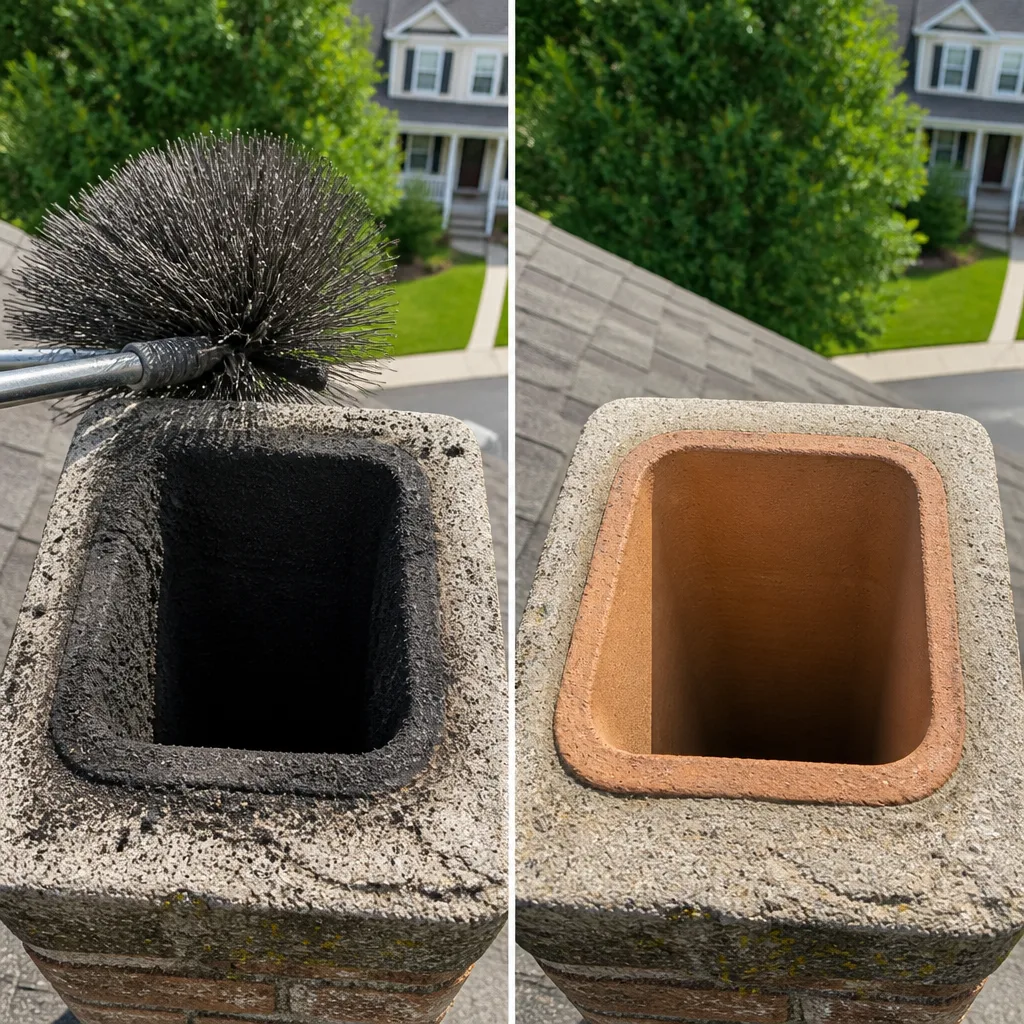
Photos are the second part of this. Any company running a Level 2 camera inspection should provide still images or video stills from the scan, and those images should show the flue before and after cleaning. A photo of a clean flue wall alongside a photo of the creosote that was just removed gives you visual proof that the work happened. We take this seriously because the homeowner’s inability to see inside the flue is exactly what makes chimney sweeping a trust-based service, and the only way to close that gap is with documentation. A company that won’t show you photos is asking you to take their word for it, and you have no reason to.
Third: any findings that fall into “repair needed” territory should be documented with location references, and you should receive a copy even if you don’t act on the repair that day. If a technician says you need tuckpointing, the report should say which face of the chimney, how many feet of joint work, and the severity. Vague repair recommendations are a red flag. We often hear from Belmont Cragin homeowners who were told by another company that they needed a new liner, with no photos and no measurements to back it up. A proper report removes that ambiguity. The report is the deliverable as much as the cleaning itself is, and you should treat it that way.
The Complete Sweep Sequence: Step by Step Through a Professional Visit
Here’s the sequence we follow on a standard wood-burning chimney sweep in Belmont Cragin, and you can use this as a checklist for any company you hire. If a technician skips several of these steps, you’re paying for a partial job.
- Exterior inspection: The sweep examines the chimney crown, brick faces, flashing, and rain cap from the roof or from a ladder, documenting any masonry damage before entering the home. In Belmont Cragin’s freeze-thaw climate, this step often reveals crown cracks and spalling that need to be noted on the report.
- Interior setup: Drop cloths and protective barriers go down around the fireplace. A high-volume vacuum with a HEPA filter is positioned at the firebox opening, and the flue gets sealed so no soot enters the living space. This is non-negotiable; a clean living room is part of the service.
- Initial inspection: The sweep looks up the flue with a handheld light and verifies the liner condition, the smoke chamber, and any visible obstruction or animal nesting. This confirms the liner material and guides the tool selection.
- Mechanical cleaning: The sweep runs the appropriate brush system from the firebox upward or from the roof downward, whichever the flue geometry dictates. The flue gets brushed from smoke shelf to termination, and the smoke chamber gets scraped and vacuumed separately, because this is the area most often skipped by cut-rate sweeps.
- Firebox and damper service: The firebox gets vacuumed, the damper is checked for smooth operation and proper seating, and any loose refractory panels get flagged. On gas inserts, this is where we check the valve, burner, and log set positioning.
- Termination inspection: The sweep confirms the rain cap is intact, the spark arrestor screen is clear, and water isn’t pooling around the crown. A missing or damaged rain cap is a top contributor to internal chimney damage in Chicago, and we flag it every time.
- Post-cleaning verification: The sweep photographs the clean flue from top to bottom, then walks you through the before-and-after images and the written report. This is the moment where a homeowner can visually verify the work was done.
If your chimney company does all seven steps in about an hour to 90 minutes and hands you a report with photos at the end, you’re getting what you paid for. If the entire visit takes 20 minutes and you receive a carbon-copy invoice with a checkmark, you’re not.
When Cleaning Isn’t Enough: HeatShield Resurfacing and DuraFlex Liners
Sometimes a sweep reveals damage that a brush can’t fix. Cracked terracotta tiles, missing mortar joints between flue sections, or a liner that’s beginning to separate all require a structural repair, not a cleaning, and this is where most Belmont Cragin homeowners get hit with a full liner replacement quote without ever being told there’s a middle option. HeatShield resurfacing is that middle option. It’s a ceramic-based coating applied through a proprietary system that restores the flue’s smooth surface and seals small cracks without requiring a full tear-out of the existing liner. The result is a restored flue wall with a new smooth coating, usually completed in a single day, and at a fraction of the cost of a conventional liner replacement. This matters because the alternative to resurfacing is often a multi-day job that involves removing the old clay tiles, which is not a DIY project, not a handyman project, and not something you want done incorrectly.
When a liner is too far gone for HeatShield, or when a homeowner is converting a fireplace to a wood stove or installing a new gas appliance, a DuraFlex flexible stainless liner is the standard we install. DuraFlex covers both masonry and factory-built chimney applications, and since it’s UL listed, it carries the rating your home insurance and local code require. The benefit of a flexible liner in an older Belmont Cragin home is that it follows the existing flue’s path without requiring the chimney to be perfectly straight, which is a real advantage in two-flats and bungalows with offset flues. Between HeatShield resurfacing and DuraFlex liners, most chimney conditions we encounter have a solution that doesn’t involve demolishing the chimney.
A related point: the chimney and the dryer vent are two sides of the same ventilation coin, and we’ve found that homeowners who understand the first often overlook the second. Dryer vent cleaning in Belmont Cragin is part of the same fire-safety discipline, because a clogged dryer vent is statistically one of the top causes of household fires in Chicago. The same documentation standard applies: we photograph the vent before and after, and we use Famco termination components when a vent cap replacement is needed. One call covers both systems.
For chimney repairs that go beyond cleaning, whether that’s crown sealing, tuckpointing, or a liner decision, we always go back to the camera evidence. Chimney repair in Belmont Cragin should always begin with documentation, not a sales pitch. If a company recommends a liner replacement, ask to see the camera footage that justifies it. If they can’t show you, get a second opinion.
Common Mistakes to Avoid
- Scheduling a sweep without asking what inspection level it includes. A cheap sweep quote is often just a brush-through with no camera, no report, and no crown inspection. Ask upfront: “Does this include a written report and photos?” If the answer is no, keep looking.
- Burning unseasoned wood from gas station bundles. Green wood creates cool, smoky fires that deposit Stage 2 creosote at an accelerated rate. It’s one thing to use it in a pinch. It’s another to burn it all winter and expect one annual sweep to be enough.
- Ignoring a damaged rain cap. A $100 rain cap replacement prevents thousands of dollars in freeze-thaw masonry damage. In Belmont Cragin, with its clay soil and aggressive winters, a missing rain cap is an open invitation for water damage that compounds every year it’s left.
- Assuming a gas fireplace never needs sweeping. Gas flues don’t produce wood creosote, but they do corrode, collect debris, and develop carbon monoxide risks when the vent is blocked. A gas insert deserves a sweep and inspection just as much as a wood burner does.
- Paying for repairs without seeing camera evidence. Any chimney company that recommends a liner replacement should be able to show you the video or still images that justify the recommendation. If the evidence isn’t there, you’re making a multi-thousand-dollar decision blind.
- Using the wrong brush on the wrong liner. Aggressive steel brushes can damage terracotta and stainless liners. This is a technical detail, but it’s exactly the kind of detail that separates a specialist from a handyman with a brush set.
- Skipping the dryer vent. A dirty dryer vent is a fire hazard on par with an unswept chimney. If you’re already bringing in a chimney company, get the dryer vent checked in the same visit and cover both systems at once.
When to Call a Professional
Call a chimney professional immediately if you smell a strong campfire odor from the fireplace when it isn’t in use, which often signals Stage 2 or Stage 3 creosote buildup. Call if you see visible soot falling back into the firebox, if the damper won’t open or close fully, or if you’ve had a chimney fire, even a small one. Call after any severe storm that could have damaged the crown or flashing, and call if you’re buying or selling a Belmont Cragin home where the chimney’s condition is unknown. Annual maintenance remains the simplest safeguard; if your last sweep was more than 12 months ago and you burn regularly, book it before the burning season starts in October rather than waiting for the first fire. Crossroads Chimney Sweep offers free estimates in Belmont Cragin for chimney sweeping, chimney repair, and dryer vent cleaning. Call (877) 265-6720 to schedule a visit, and we’ll walk you through exactly what your system needs and what we’ll document along the way.
Frequently Asked Questions
A standard wood-burning fireplace sweep in Belmont Cragin typically costs between $180 and $350, depending on the flue’s condition and whether a Level 1 or Level 2 inspection is included. Gas insert sweeps and oil furnace flue cleanings fall in a similar range, while a Level 2 camera inspection adds $75 to $150 as a standalone add-on. The price should always include a written report and before-and-after photos. To get an exact quote for your specific fireplace, call (877) 265-6720 for a free estimate from a specialist who can explain what’s included.
The National Fire Protection Association recommends a chimney be swept at least once per year, and more often if you burn more than two cords of wood annually or notice a rapid creosote buildup. Gas fireplaces can go two to three years between sweeps in many cases, but should still receive an annual visual check for corrosion and obstructions. Oil furnace flues should be cleaned every year without exception, because oil soot is acidic and corrosive when it sits. Your sweep frequency should be guided by the previous year’s findings, which is why a written report matters.
Many damaged liners can be restored without full replacement using HeatShield ceramic resurfacing, which seals cracks and restores the flue wall at a fraction of the cost of a complete liner replacement. A full liner replacement is only necessary when the existing liner is severely deteriorated, has collapsed sections, or when you’re installing a new appliance that requires a liner change. The only way to know which applies to your chimney is with a camera inspection that shows the flue’s actual condition. We always provide that footage before recommending any repair, and you can call (877) 265-6720 to get an honest evaluation based on evidence, not assumptions.
Skipping routine sweeping allows creosote to build into Stage 2 or Stage 3 deposits, which are highly flammable and are the primary fuel in most chimney fires. Even if a fire doesn’t start, acidic soot and creosote accelerate liner deterioration, which can lead to gases leaking into the home and requiring a liner replacement years earlier than necessary. In Belmont Cragin, where freeze-thaw cycling does additional damage to the masonry structure, a neglected chimney compounds its problems quickly. A sweep costs a few hundred dollars; a liner replacement and masonry repair is a multi-thousand-dollar project.
Yes. The lint trap only captures about 60% of the lint your dryer produces, and the rest travels into the vent system where it accumulates on the duct walls and at bends. Clogged dryer vents are one of the leading causes of house fires in the United States, and the risk is especially high in Chicago’s older housing stock where vent runs are often long and multi-bend. A professional dryer vent cleaning in Belmont Cragin clears the full run from the dryer to the exterior termination, and is a straightforward, affordable safeguard against a preventable fire. Learn more about professional dryer vent cleaning and what it involves.
A chimney sweep is the mechanical removal of creosote, soot, and debris from the flue and firebox, while a chimney inspection is the systematic evaluation of the chimney’s structure and safety. Most professional visits combine both: an inspection identifies what needs to happen, the sweep does the physical cleaning, and a post-cleaning inspection verifies the system is safe. Inspections are graded as Level 1, Level 2, or Level 3 depending on the depth of the evaluation required. If a company offers a sweep without any inspection, you’re getting half the service.
The Bottom Line
A chimney sweep in Belmont Cragin is a sequence, not a single act. It starts with a Level 1 inspection, moves through a fuel-appropriate cleaning that uses the right brushes for the liner you actually have, and ends with written documentation and photos you can verify. Chicago’s clay soil and freeze-thaw climate make chimney maintenance more urgent here than in most of the country, and the damage done by a skipped season compounds faster than homeowners expect. The best protection is an annual visit from a specialist who can explain the three inspection levels, show you the camera evidence, and offer repair options like HeatShield resurfacing before jumping to a full liner replacement. Crossroads Chimney Sweep covers chimney sweeping, chimney repair, and dryer vent cleaning under one roof, with documented results and honest recommendations. Call us at (877) 265-6720 for a free estimate, and start your next burning season with a flue you can actually see is clean. Homeowners across the area rely on Crossroads Chimney Sweep for straight answers and complete documentation on every visit.
Written by the team at Crossroads Chimney Sweep, serving Belmont Cragin since 2014. Explore more guides & resources on our blog.
See the difference
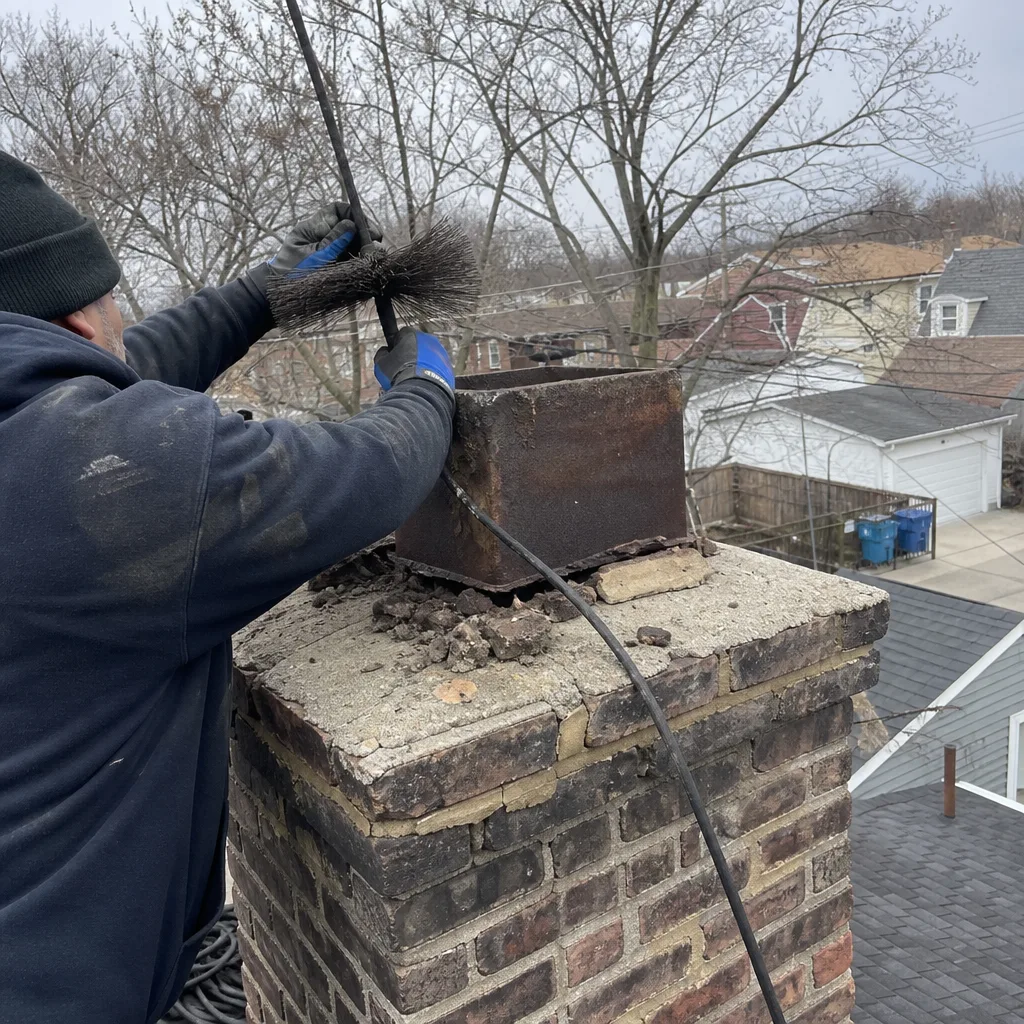 Before
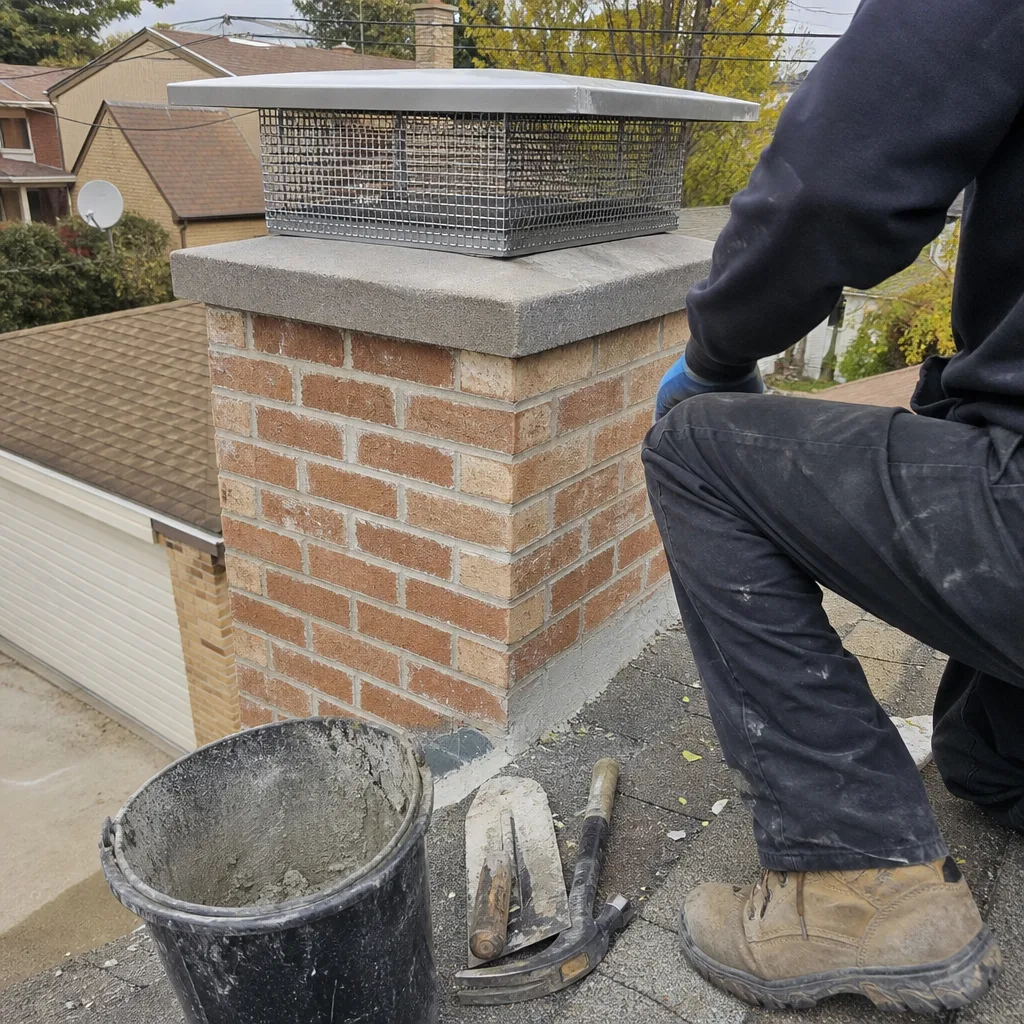 After
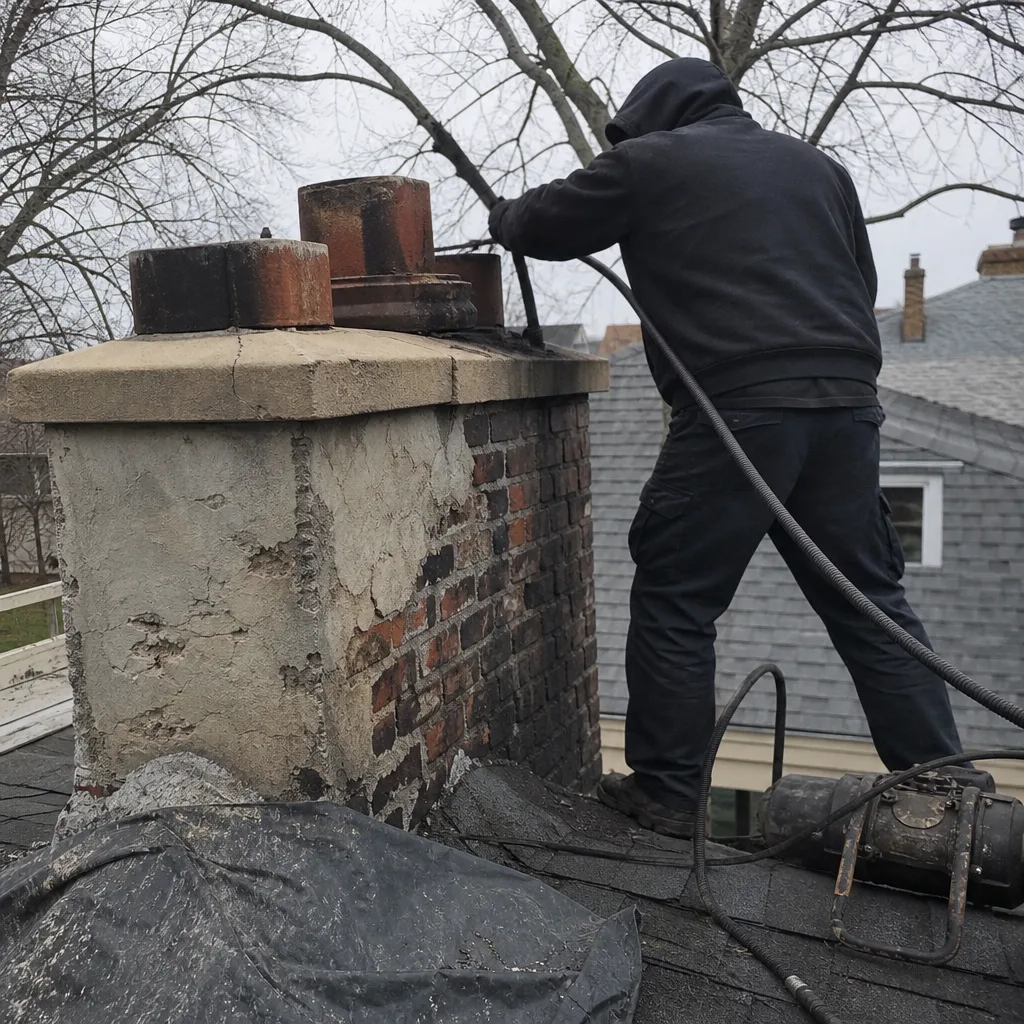 Before
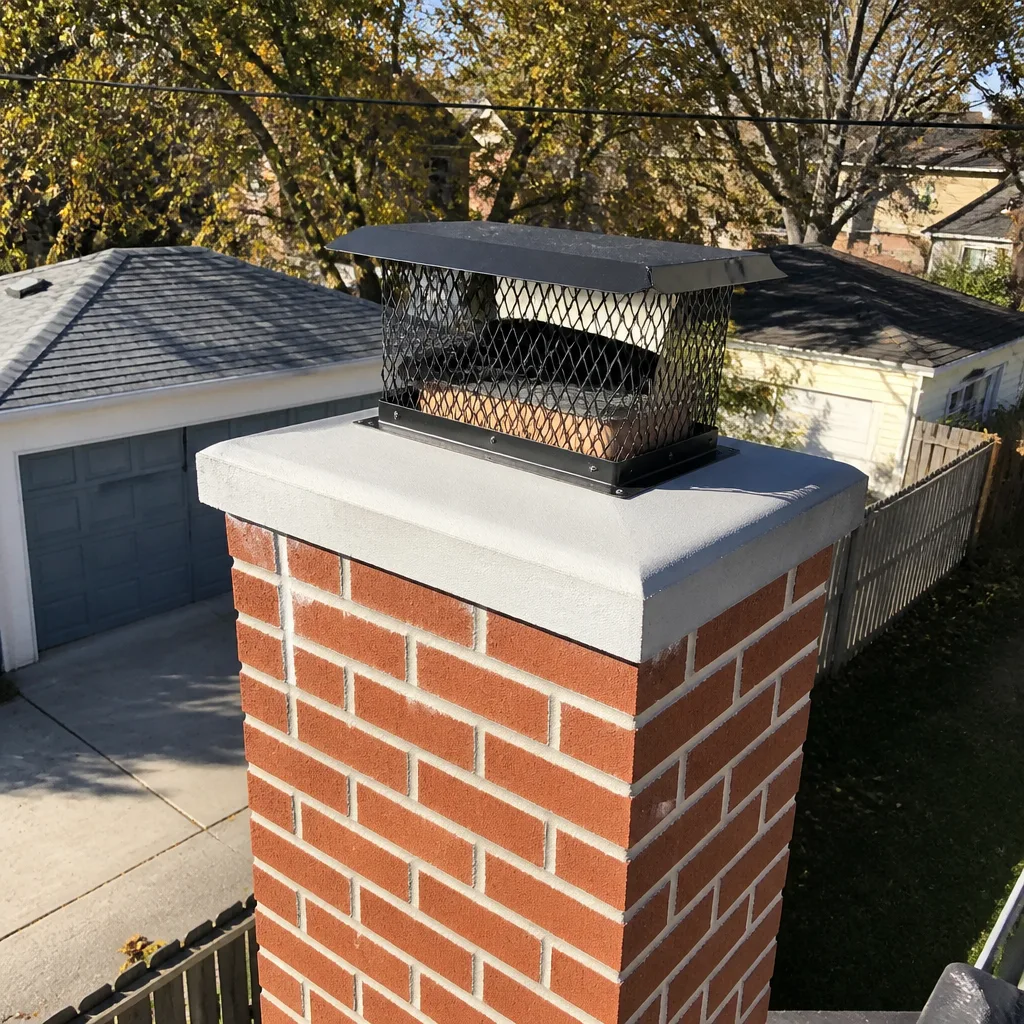 After
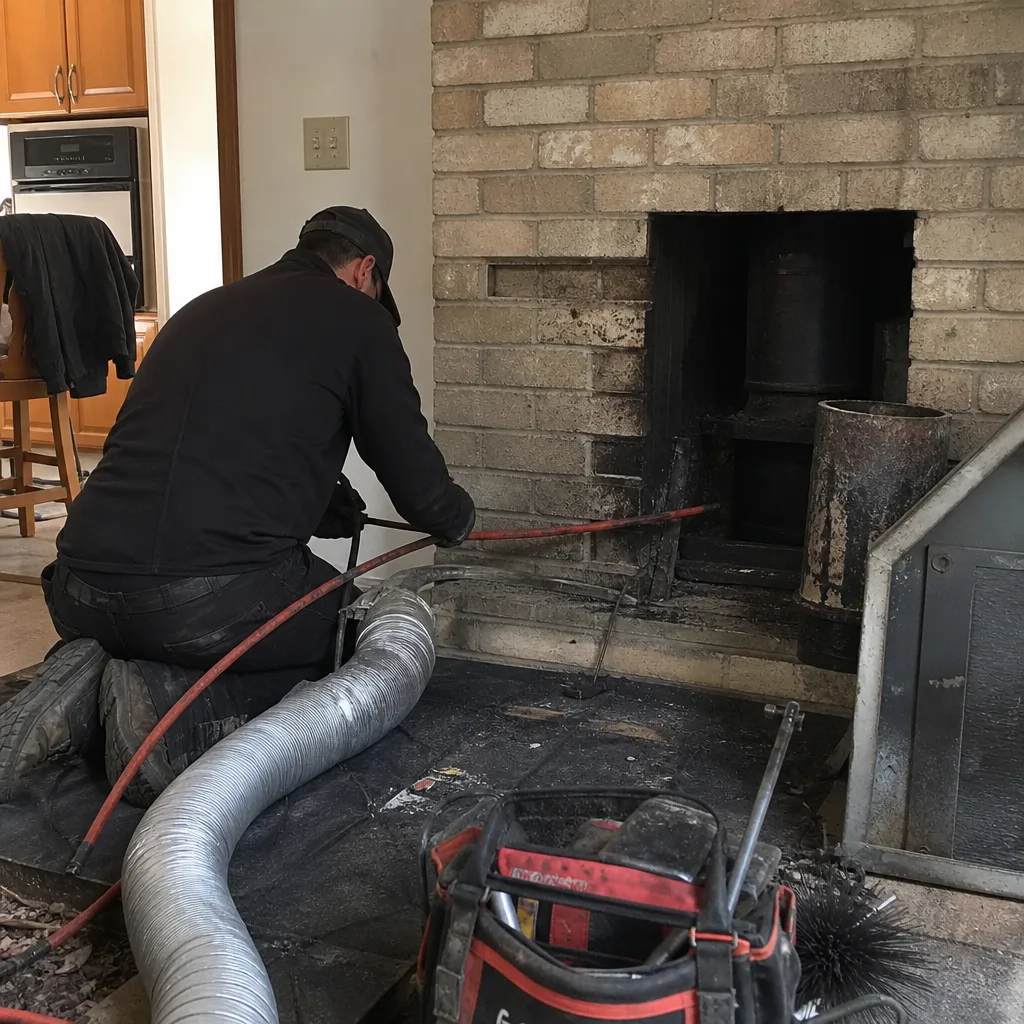 Before
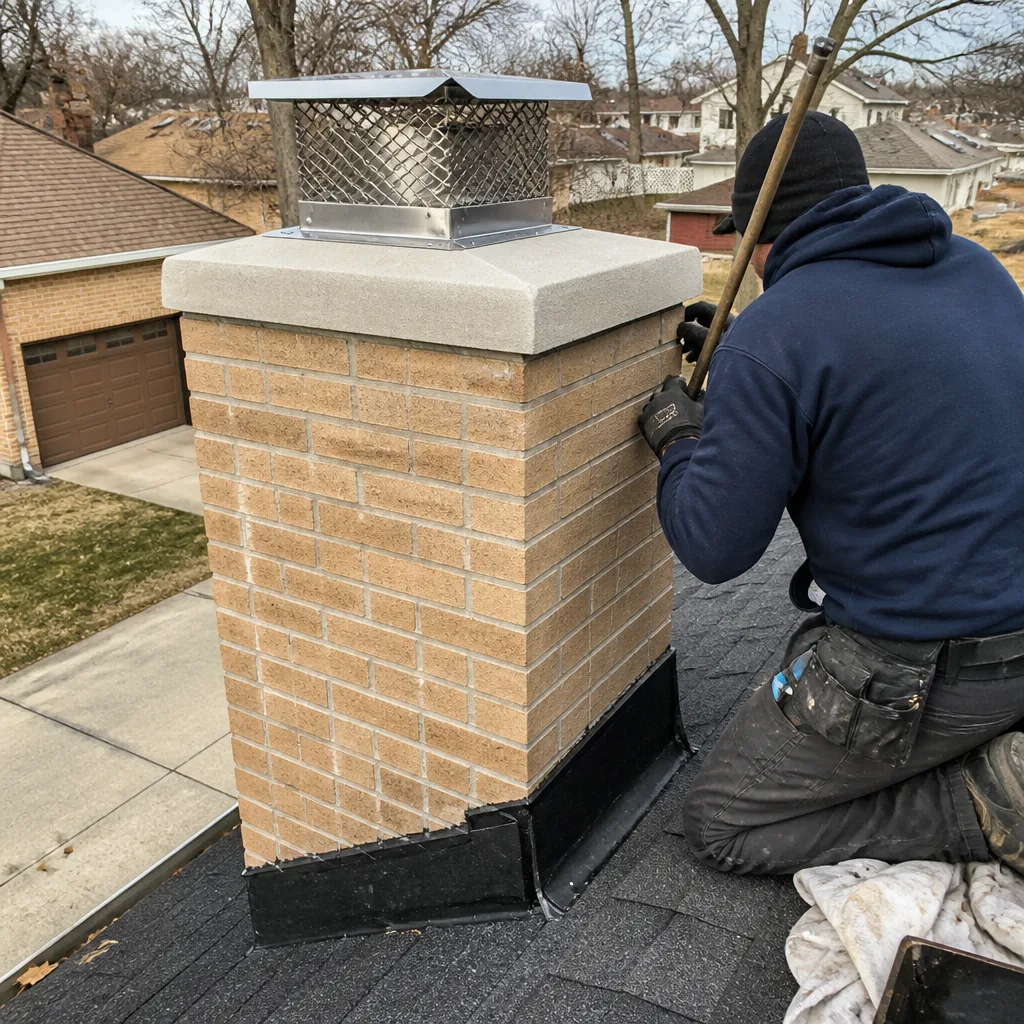 After