
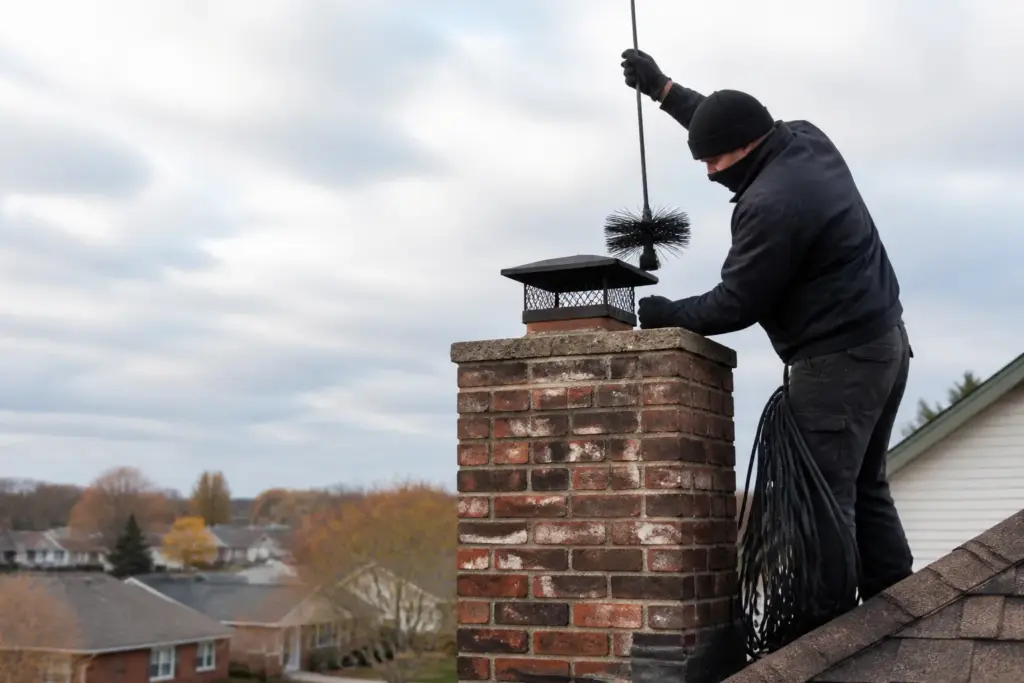
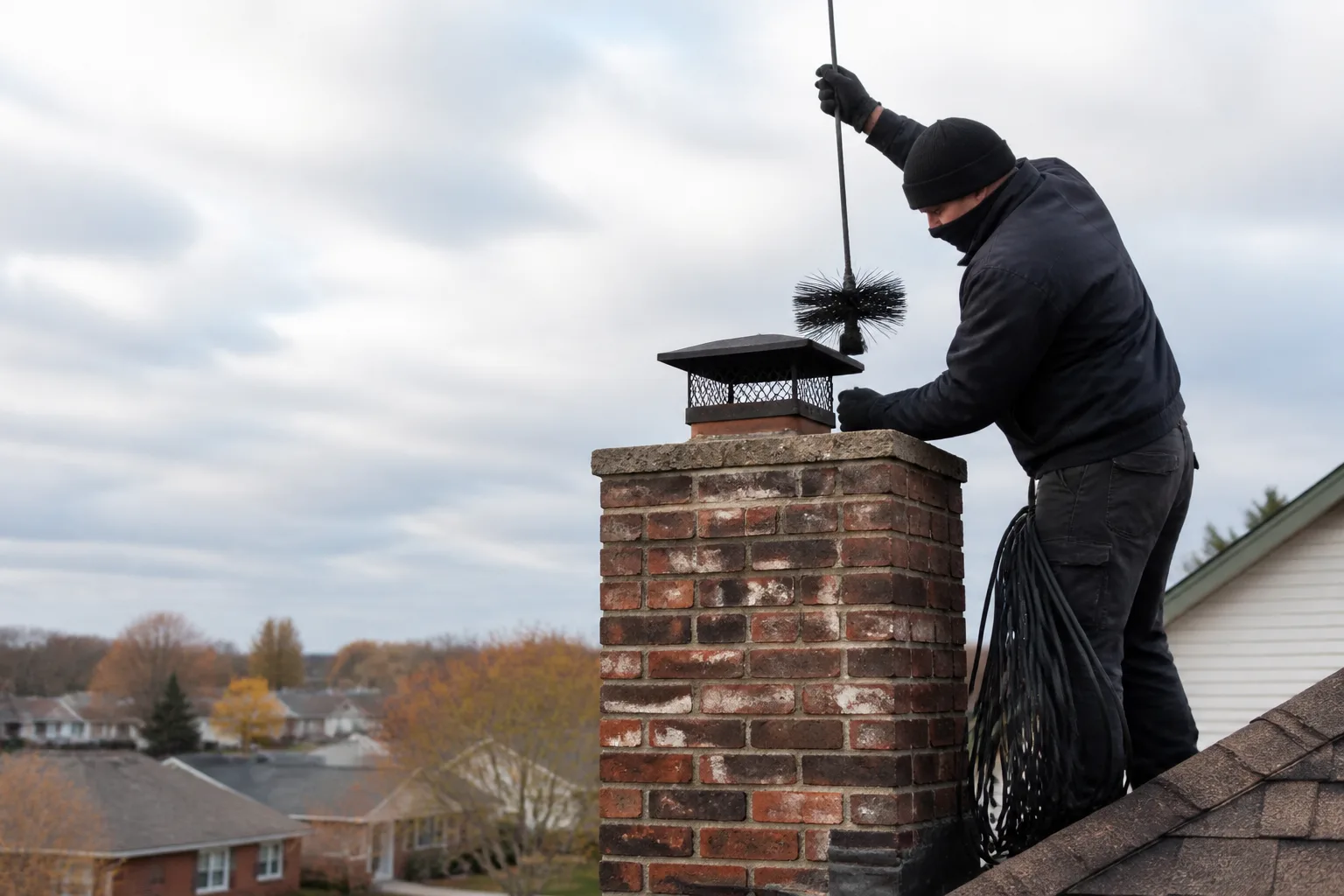
Emergency Chimney Sweep Near Me: What Belmont Cragin Homeowners Should Do First
If you’re searching “emergency chimney sweep near me” in Belmont Cragin, the answer depends on what kind of emergency you’re facing. A chimney fire, heavy smoke intrusion, or post-storm structural damage each require a different first response. Here’s the short version: evacuate if you see active flames in the flue, call 911 for a chimney fire, and never pour water into a hot fireplace. If you’d rather skip the reading and talk to a specialist right now, call us at (877) 265-6720.
We’ve spent years working on chimneys across Belmont Cragin, from the brick bungalows near Riis Park to the frame two-flats off Fullerton. The calls that worry us most aren’t the dramatic chimney fires. They’re the ones where a homeowner waited three days to call about a strange smell, or closed the damper during an active fire without evacuating first. The first 30 minutes matter more than most people realize.
The First 30 Minutes: A Sequence That Actually Works
Closing the damper during an active chimney fire is the right instinct. But it’s step two, not step one. Step one is getting every person and pet out of the house, because a closed damper with an active chimney fire can force carbon monoxide directly into the living space through firebox gaps. Step two is closing the damper if you can do so safely without standing near the fireplace. Step three is calling 911 from outside the house.
Chimney fires burn at temperatures that can crack flue liners in minutes. The clay tiles inside older Belmont Cragin chimneys were never designed to handle a creosote fire at 2,000 degrees Fahrenheit. Once those tiles crack, the next fire has a path into the wall framing. We’ve seen the aftermath off Belmont Avenue where a chimney fire that started in the flue smoldered in the attic for hours before anyone noticed. The homeowner did everything right. The previous 20 years of skipped cleanings did the rest.
Fire suppressor sticks, the kind you toss into the firebox to smother a chimney fire, have their place. That place is after 911 has been called and everyone is outside. They can work on a contained fire. They won’t help if the fire has already spread beyond the flue. If you keep one, know that it’s a supplement to emergency services, not a replacement.
Heavy Smoke in the House: When It’s Not a Fire
Not every emergency is a chimney fire. Sometimes it’s smoke backing up into the living room on a windy January night in Belmont Cragin. If there’s no fire and no red glow in the flue, open a window, don’t add more wood, and let the fireplace cool. Then call a sweep.
Heavy smoke intrusion usually means one of three things: a blocked flue, a cold chimney that won’t draft, or a house that’s too tightly sealed for combustion air. In Belmont Cragin’s older housing stock, we see a lot of the third one. Homes get new windows, new doors, new insulation, and suddenly the fireplace can’t pull enough air to draft properly. The chimney isn’t broken. The house’s air balance changed.
A cold chimney on a below-zero night off Diversey can take 15 minutes of kindling before it draws. That’s normal, not an emergency. But if smoke pours into the room every time you light a fire, or if you smell smoke in the house hours after the fire is out, that’s a flue obstruction or a draft problem worth investigating. The fix might be a cleaning, or it might be a liner issue. Both are things we address regularly with Chimney Sweep in Belmont Cragin work.
Post-Storm Damage: What to Look For From the Ground
After a big windstorm or ice event, chimney damage in Belmont Cragin happens faster than homeowners expect. You don’t need a ladder to do a basic assessment. Stand in the yard and look at three things: the chimney cap, the crown, and the stack itself.
A displaced cap is easy to spot. It’ll sit crooked, hang off one edge, or be missing entirely. The cap is your chimney’s first defense against rain, snow, and animals. A missing cap on a Belmont Cragin chimney in December means water freezing and thawing inside the flue, which cracks masonry from the inside out.
The crown is the concrete slab at the top of the chimney. Hairline cracks are normal. Pieces missing from the edge are not. If you can see jagged edges or gaps from the ground, water is getting in. The stack itself should be straight. Any lean, any bulge, any fresh spalling (brick faces popping off), is a structural concern. So is a pile of brick chips in the yard after a storm. If you see those things, take photos and call a pro before you use the fireplace again. Chimney Repair in Belmont Cragin starts with getting eyes on the problem.
What Emergency Service Actually Means Operationally
Here’s what most homeowners in Belmont Cragin don’t know about “emergency chimney service”: it’s not a same-day fix for everything. Some things can be resolved fast. Others can’t be done safely in one afternoon, and a legit company will tell you that straight.
What we can do quickly: tarp a damaged chimney to stop water intrusion, install a temporary cap, remove a dead animal from a flue, clear a smoke blockage after a partial burn, and document damage for an insurance claim. What we won’t do is rush a structural repair. A leaning stack or a badly cracked flue needs assessment, sometimes a liner inspection, and real masonry work. That work gets scheduled. It doesn’t happen at 9 p.m. in the rain.
When we repair or reline chimneys in Belmont Cragin, we use products like DuraFlex for flexible liner installations and HeatShield for ceramic flue resurfacing. HeatShield matters because it lets us restore a damaged flue without a full tear-out. Most older chimneys in this neighborhood have clay tile liners, and HeatShield can bring those back when the damage is caught early. DuraFlex handles the cases where the flue is too far gone, or where a factory-built fireplace needs a new liner system.
How to Temporarily Seal a Damaged Flue While You Wait
If a storm knocked your cap off or cracked the crown, and you’re waiting for a repair appointment, you need to keep animals and weather out. Raccoons in Belmont Cragin don’t need an invitation. A two-foot-wide hole at the top of a chimney is a furnished apartment as far as they’re concerned.
The temporary fix is a heavy-duty tarp over the top, anchored securely, or a temporary flue cover. Don’t use loose bricks or scrap wood. Wind off the lake moves faster through this neighborhood than people expect, and anything unanchored becomes a projectile. And for the love of the whole block, don’t fire the stove with the flue covered. Tape a note to the firebox door or set the gas shutoff so no one lights a fire by habit.
This is a stopgap, not a solution. It buys you a week, not a winter. The real fix is a proper cap install or crown repair. When the tech arrives, they’ll want to see what you’ve done, so keep track of what you used and when you put it on.
Documentation Before the Technician Arrives
Before a chimney tech shows up, do three things. First, photograph everything: the chimney from the ground, any damage you spotted, any smoke staining inside the house, any water damage on the ceiling near the chimney chase. Second, write down the timeline: when the fire happened, when the smell started, when the storm hit. Third, note any work done on the chimney in the years before, even if it was a different company. That history changes how we assess the problem.
Insurance claims live and die on documentation. Photos with timestamps are the difference between a covered repair and a denied claim. If a fire department responded, get the report number. That report is the strongest evidence you’ll have.
A legitimate emergency service provider should give you a written assessment of what they found, what they did, and what they recommend next. If someone does a 20-minute visual check and hands you a verbal quote with no paperwork, that’s a red flag. In our experience, Belmont Cragin homeowners who get written documentation get better outcomes from both insurance companies and future repair work.
We pulled a tarp off a chimney last fall over by the Brickyard that had been “temporarily sealed” with a rubber welcome mat and two cinder blocks. It held for exactly one windstorm. The raccoon that moved in during the interim was not happy about being evicted. Neither was the homeowner about the cleanup. A proper tarp costs less than a Sunday afternoon.
When to Call a Pro (and When It Can Wait)
Call a pro now if: you’ve had a chimney fire, smoke is entering the house, the chimney is visibly leaning, the cap is gone, water is coming in, or you smell something dead in the flue. These are not DIY situations, and in most cases the danger isn’t visible from inside the house.
It can probably wait if: the fireplace smokes a little on cold starts, the damper is stiff but functional, or you just haven’t used the fireplace in a season and want it cleaned before next year. Those are regular service calls, not emergencies. They fit into a normal schedule, and they cost less.
Related services we handle in Belmont Cragin: Dryer Vent Cleaning in Belmont Cragin, which matters more than most people think, since a clogged dryer vent is a house fire waiting for the right load of laundry. One call covers chimney sweeping, chimney repair, and dryer vent work. That’s the whole point of how we do business.
The Bottom Line
The first 30 minutes of a chimney emergency in Belmont Cragin come down to four decisions: evacuate if there’s fire, call 911 if there’s an active fire, close the damper only after evacuation, and document everything before anyone touches the chimney. After that, it’s about getting the right assessment. Not every cracked flue needs a full rebuild. Some need HeatShield resurfacing. Some need a DuraFlex liner. Some just need a proper cleaning and a new cap. The right material for the right repair beats a $4,000 guess every time.
If you’re in Belmont Cragin and need help, Crossroads Chimney Sweep home offers free estimates. Call (877) 265-6720 and tell us what you’re seeing. We’ll tell you honestly whether it’s an emergency or can wait.
Frequently Asked Questions
Emergency chimney services in Belmont Cragin typically run $200 to $600 depending on what’s needed. A same-day tarp or temporary cap might fall on the lower end. A full flue inspection with video documentation runs higher. The cost is almost always less than the water or fire damage that comes from doing nothing. Call (877) 265-6720 for an exact quote. Estimates are free.
No. You need a full inspection before using the fireplace again. Chimney fires crack flue liners and damage the chimney structure in ways you can’t see from the living room. Most homeowners in Belmont Cragin we’ve inspected after a flue fire needed at least repairs, and many needed a liner replacement or relining. Using the fireplace before an inspection risks a house fire the second time around.
If you burn wood regularly, once a year. If you burn more than three cords a season, twice a year. If you have a gas insert, the venting still needs an annual check, though less frequently than wood flues. The National Fire Protection Association standard is to clean when creosote reaches 1/8 inch of buildup. Most Belmont Cragin homes with wood fireplaces hit that mark in a single burning season.
Creosote accumulates. It’s not a slow, harmless buildup. It’s a flammable residue that ignites at around 450 degrees Fahrenheit. A hot fire on a cold night can hit that in minutes. Once it ignites, you have a chimney fire, and chimney fires crack liners, spread to framing, and put your family outside in the cold while the fire department does what it can. The cleaning cost versus the alternative isn’t a close call. If you’re not sure when yours was last cleaned, call (877) 265-6720 and we’ll take a look.
Written by the team at Crossroads Chimney Sweep, serving Belmont Cragin since 2014.
Need Chimney Cleaning Help?
Call Crossroads Chimney Sweep — licensed & insured, here with fast after-hours help in Belmont Cragin.
(877) 265-6720