
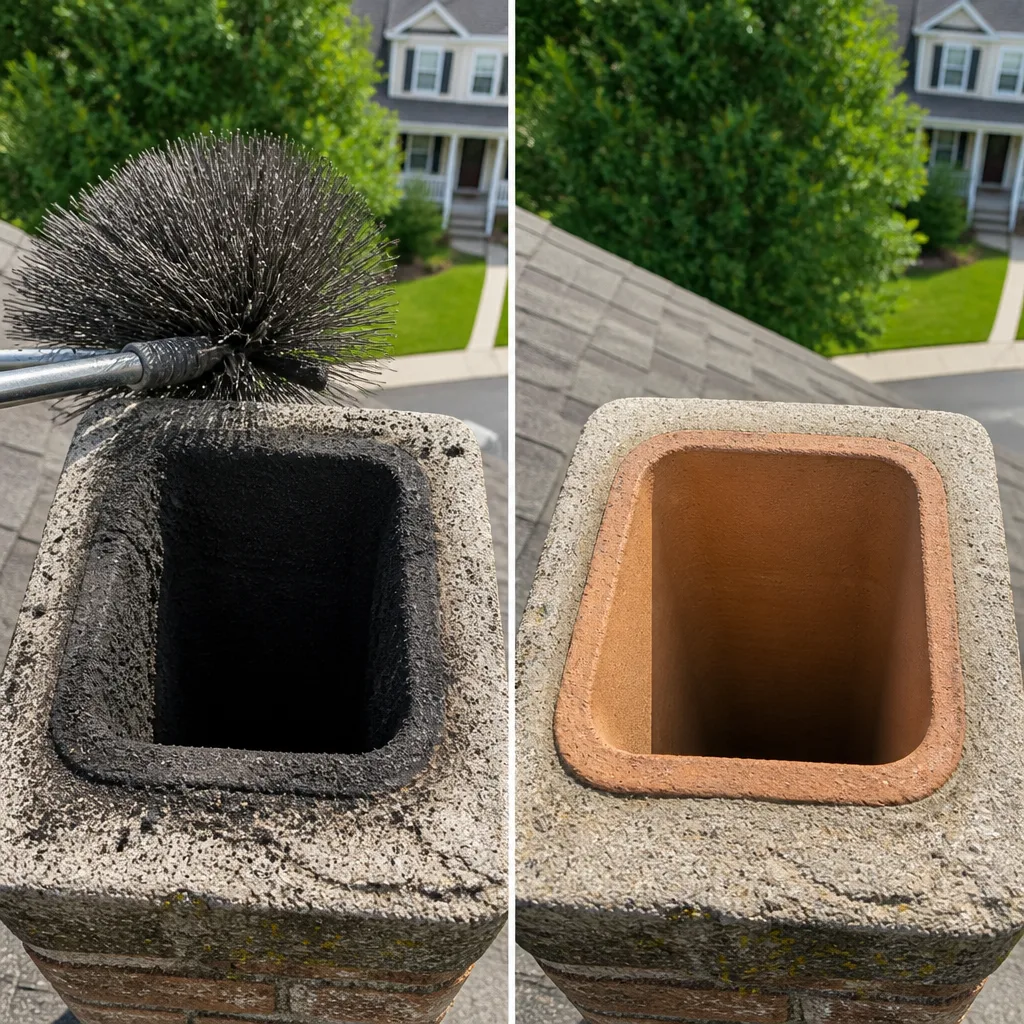
 Sweep & inspection
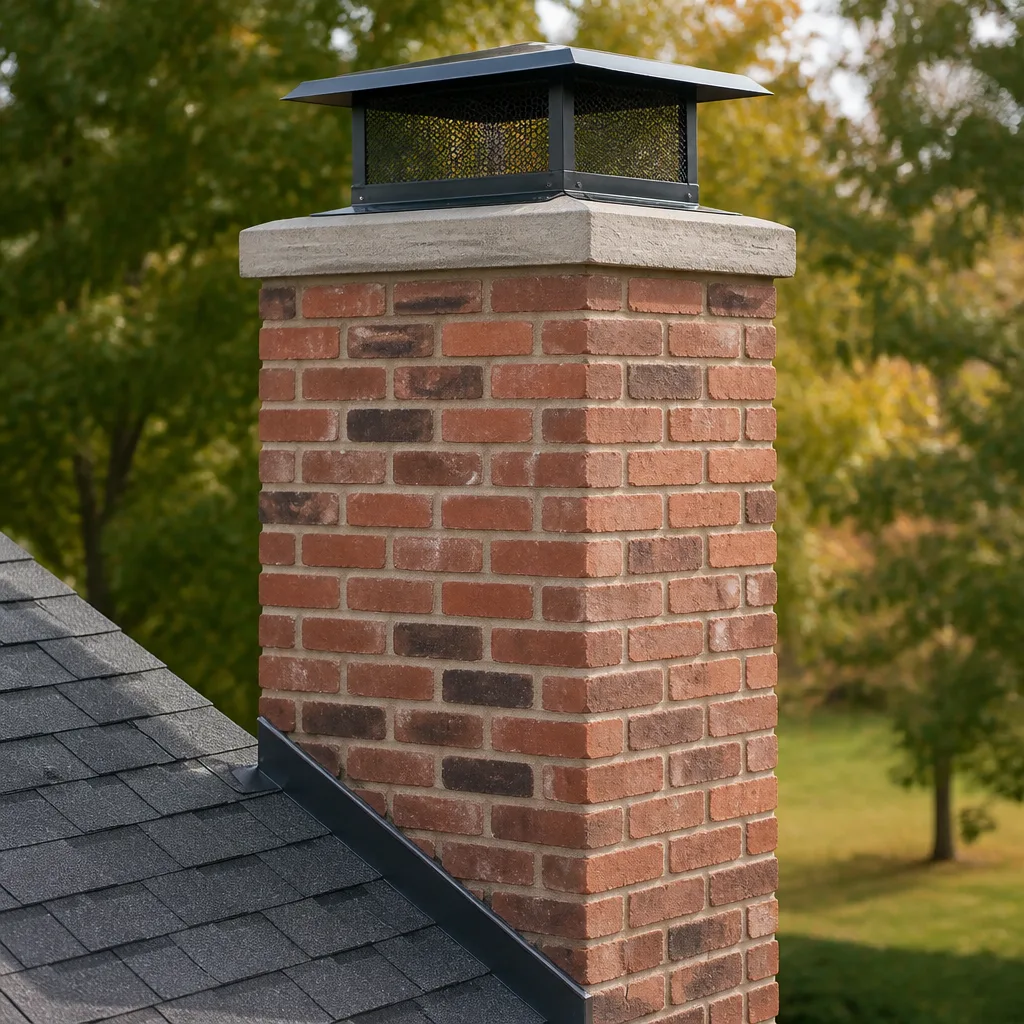 Caps & crowns
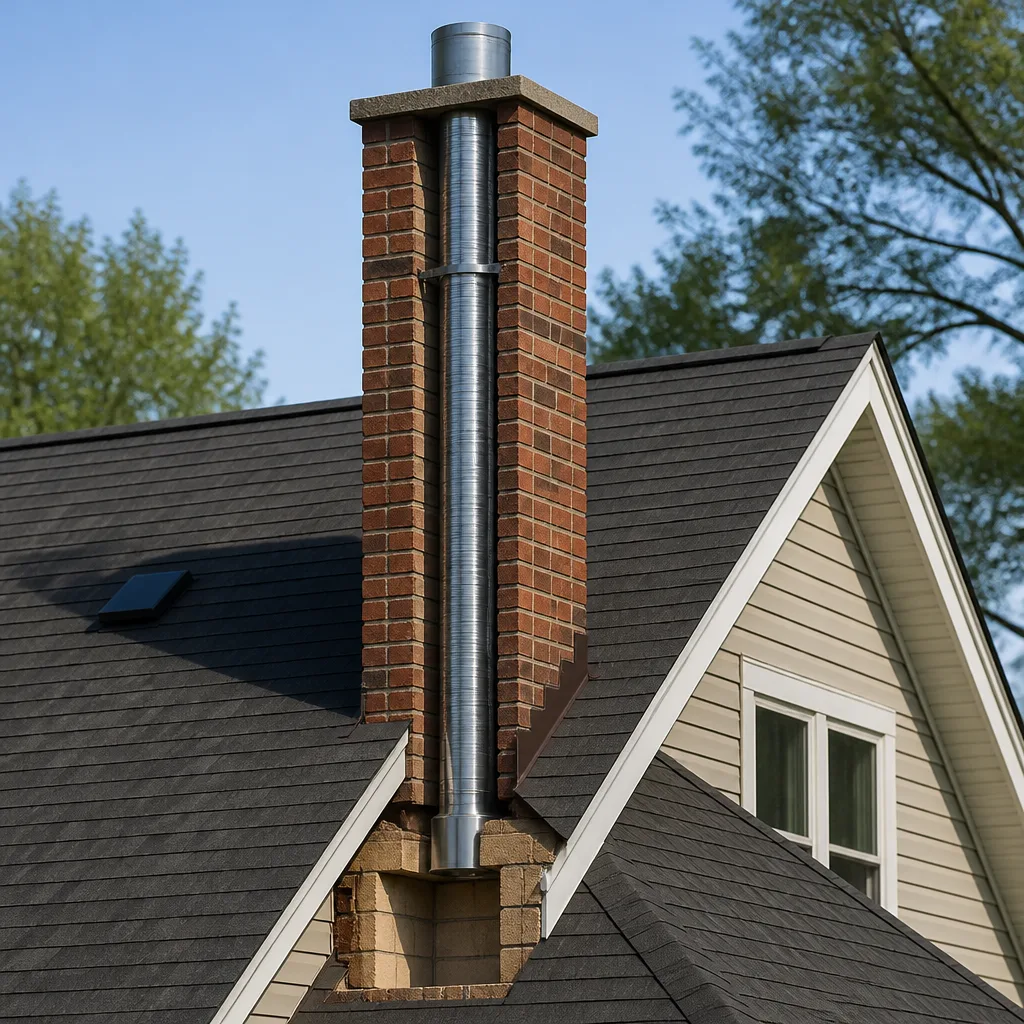 Flue relining
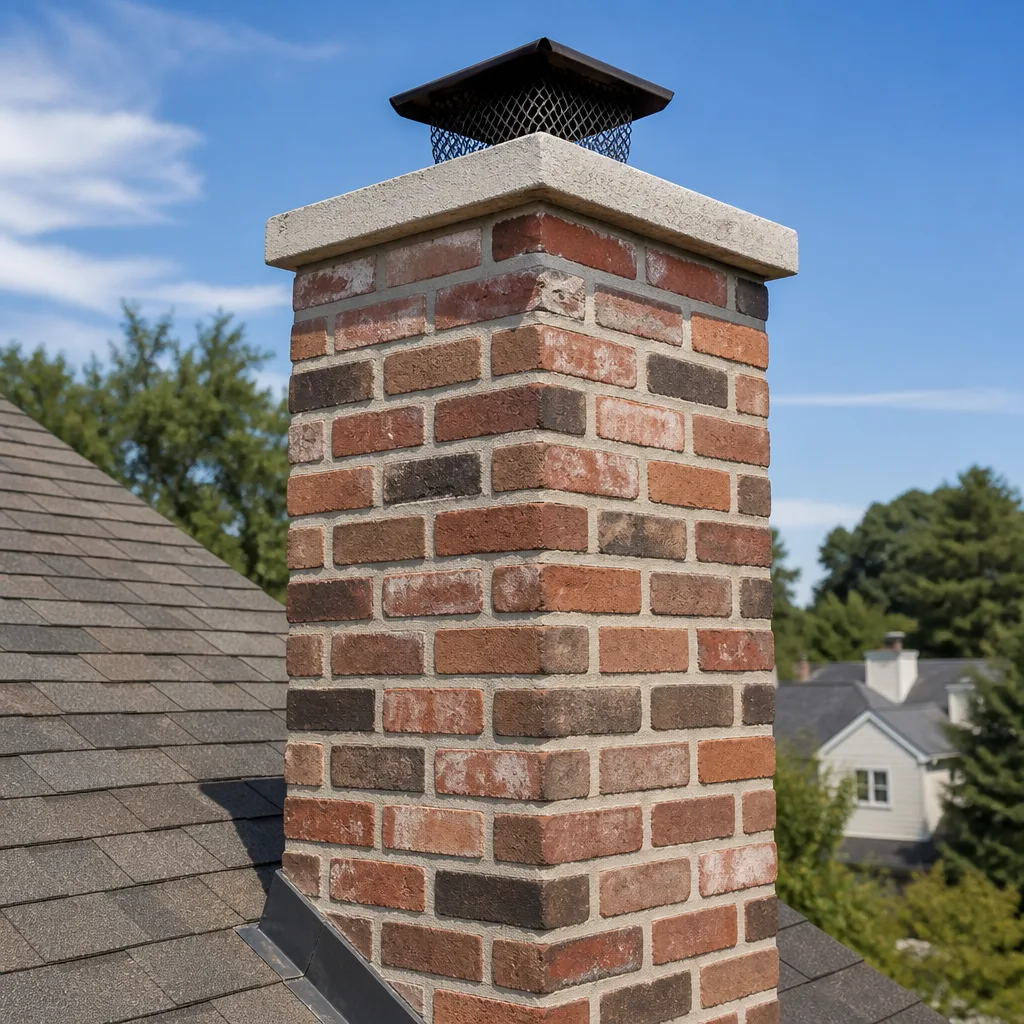 Masonry repair
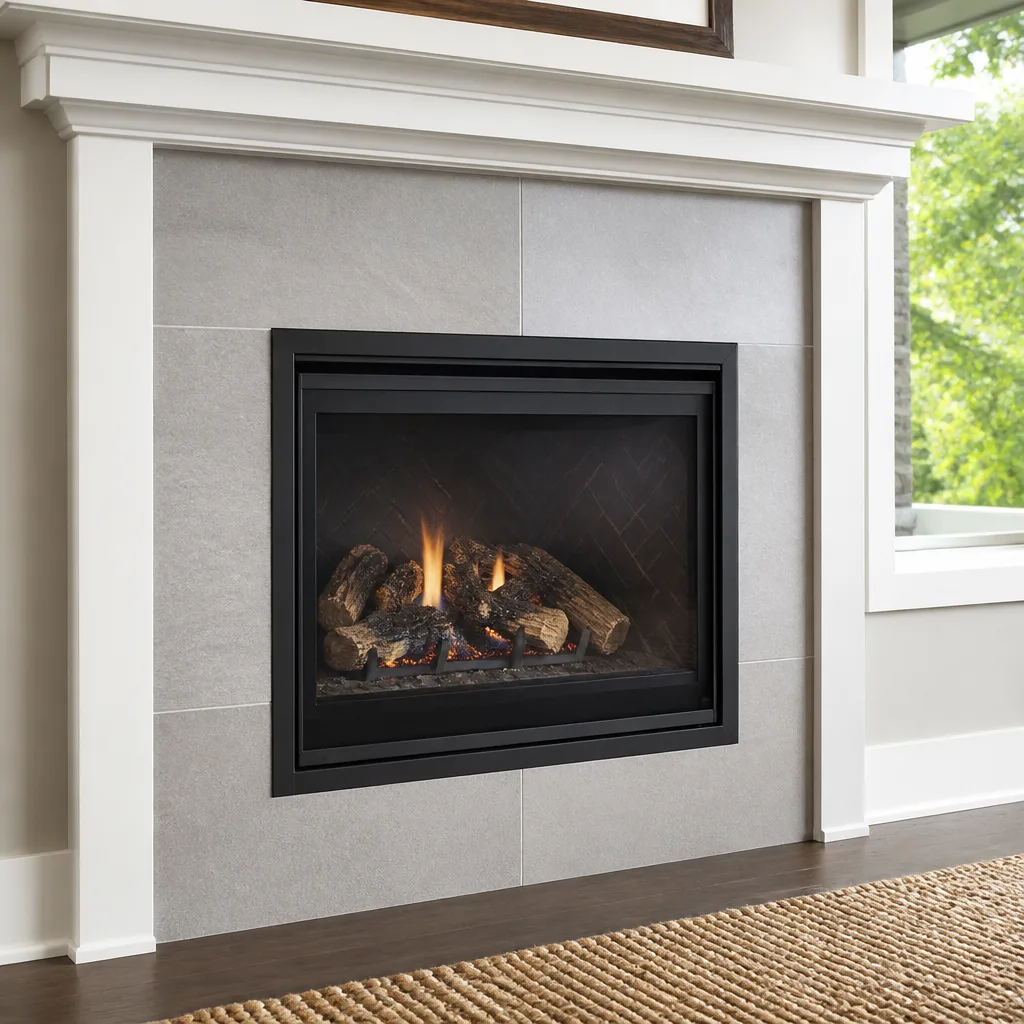 Gas fireplace service
Level 1 sweep and inspection to the NFPA 211 annual standard - flue, crown, cap, and flashing checked and photographed
Chimney sweep logs do not sweep chimneys. They loosen some creosote - which then falls where a brush and vacuum still have to collect it.
Why Belmont Cragin Homeowners Choose DuraFlex Chimney Cleaning
We provide independent DuraFlex chimney cleaning, inspection, and repair service across Belmont Cragin and Chicago’s northwest side. We work on DuraFlex SS flexible liners, Pro and SW smooth-wall systems, and direct-vent gas terminations every week, and we know how these components actually perform after years inside 1920s bungalow chimneys that were built for coal and later made to work with wood inserts and gas appliances. DuraFlex stainless is a solid product, but in Belmont Cragin it lives inside flues with original clay tile, decades of creosote, and freeze-thaw shifts that test every seam and seal. We are an independent DuraFlex service provider, not authorized or sponsored by DuraFlex, which means our recommendations come from field work, not a manufacturer’s warranty department. If your DuraFlex liner, cap, or termination needs cleaning, resealing, or replacing inside a Belmont Cragin chimney, call (877) 265-6720. Our estimates are free and we’ll tell you plainly what needs doing and what can wait.
Why Trust Crossroads Chimney Sweep for Your DuraFlex Chimney Cleaning?
Most chimney companies in Chicago can sweep a flue. Far fewer can tell you whether your DuraFlex SW liner’s seams are intact, whether that direct-vent termination is corroding from the inside out, or whether the top-plate gasket has shrunk enough to let rain track down the outside of the liner and rust the appliance connector. That’s the difference between a sweep and a diagnosis. We’ve pulled hundreds of DuraFlex liners out, scoped them with a camera, resealed them, and put them back into service when they were sound, and we’ve told homeowners plainly when the stainless was breached and a section replacement was the only honest fix. No fluff, no upsell. Norm Szczepanski, our owner, grew up a few blocks from Kosciuszko Park and learned the fundamentals through the building trades programs at Triton College in River Grove. He has spent going on two decades working Belmont Cragin chimneys, including plenty of DuraFlex systems. That local knowledge matters here because this neighborhood’s housing stock throws specific problems at liners, and you want someone who has seen them before. We match OEM DuraFlex liner, top-plate, and termination components when a section is damaged, and we use only quality aftermarket caps and connectors where they meet the same fit and rating. If the liner itself is sound we clean and reseal rather than upsell a reline. A clean flue isn’t a luxury, it’s just how the thing is supposed to work.
Styles & brands we work with
Common DuraFlex Chimney Cleaning Problems We Fix in Belmont Cragin
Here’s what we actually find when we open up DuraFlex systems in this neighborhood:
- Separating seams on DuraFlex SS flexible liner joints. Flexible stainless liners are formed in corrugated sections with mechanical seams that expand and contract with heat. After years of heating and cooling cycles, especially in Belmont Cragin chimneys with offset runs and tight clearances, those seams loosen and creosote or condensate starts weeping through the joints. We see this most often on SS liners installed in the 2000s, when everything was converted from oil to gas or wood. The symptom is usually a faint smoke smell in the basement or staining on the chimney cap.
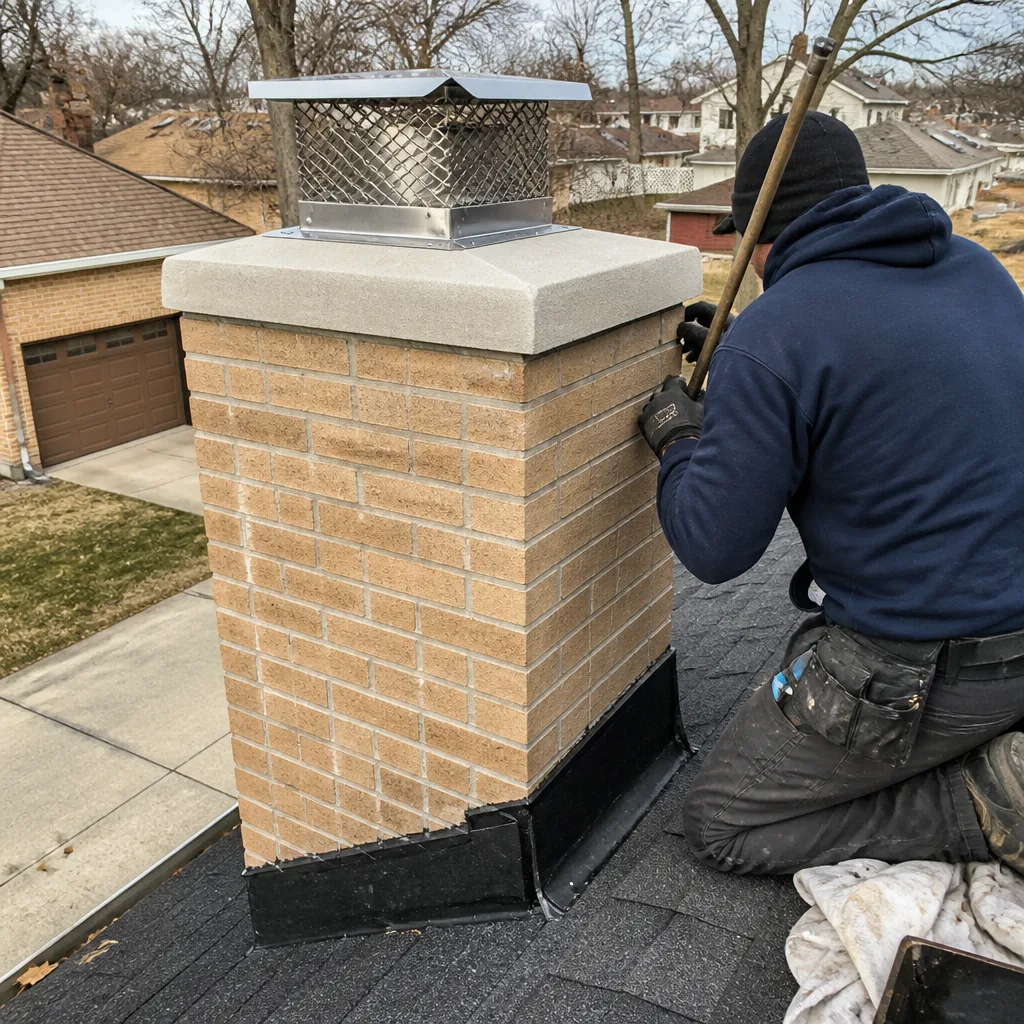
- Water leaking around the top plate and DuraFlex termination cap. This is one of the most common callouts we get in Belmont Cragin, and it’s rarely the cap itself. The top-plate gasket under the cap shrinks and hardens over time, especially with the freeze-thaw cycles we get here, and then rain and meltwater run down the outside of the liner, rust the appliance connector, and drip into the firebox. Replacing a cracked DuraFlex termination cap helps, but if we don’t reseal the top plate at the same time, the leak comes back in the spring.
- Glazed third-degree creosote on DuraFlex SW smooth-wall runs. Smooth-wall liners move smoke faster than corrugated, but the trade-off is that when creosote does form, it forms hard. Soft brown creosote brushes off easily; glazed creosote is like black glass, and a standard brush skips right over it. Owners who burn softer wood or run their insert on low heat all winter often end up with a smooth-wall liner that looks fine to the naked eye but is carrying a hard glaze an eighth of an inch thick at the offset. That is a chimney fire waiting for one hot burn. We pull these, camera them, and when the glaze is real, we use a rotary sweep to break it down.
- Clogged or corroded direct-vent DuraFlex terminations on gas inserts. Belmont Cragin’s mature street trees drop heavy leaf and seed debris, and uncapped direct-vent terminations on gas fireplaces collect nests, seed pods, and surface corrosion that restricts draft and trips the appliance’s safety switch. Homeowners call us thinking the gas valve is failing, and half the time it’s just a DuraFlex DV termination that hasn’t been cleaned since the fireplace was installed. We clear it, brush out the vent run, and check for internal corrosion that warrants a full termination replacement.
- Ovalized or collapsed DuraFlex runs where the liner was pulled through an undersized clay flue. A lot of Belmont Cragin chimneys have 7-inch or smaller original clay tiles, and pulling an insulated DuraFlex liner through a tight clay flue can distort the liner’s round shape. Over time that distortion becomes a flat spot, then a kink, then a full collapse. We see this especially on two-flats where the original coal flue was never oversized for modern appliances. A camera inspection will show the flattening before it becomes a full blockage, and that’s one of the reasons we don’t do blind cleanings on older installs.
DuraFlex Parts & Our Repair-vs-Replace Approach
We don’t stock every DuraFlex part number, and we’ll tell you that straight. What we do carry are the pieces that matter most for this neighborhood: OEM DuraFlex liner sections, top plates, termination caps, and appliance connectors for the SS and SW lines, plus quality aftermarket caps and couplers that match the same fit and rating when the OEM piece is backordered or discontinued. Our philosophy is simple: if a DuraFlex liner is sound, we clean it, reseal it, and leave it alone. We don’t recommend relining a chimney because the liner looks dirty or because the camera shows a little surface rust that’s cosmetic. We only recommend replacement when the stainless is breached, when a seam has separated beyond repair, or when the liner was undersized for the appliance in the first place. That last one happens more than you’d think in Belmont Cragin, where liners were often sized for coal-era flues and never upgraded when the wood insert went in. On a recent Belmont Cragin bungalow with a DuraFlex smooth-wall liner feeding a wood insert, our tech found a Level 2 camera run blocked by glazed third-degree creosote at an offset and a top-plate gasket that had shrunk loose. We broke down the glaze with a rotary sweep, resealed the top plate, and replaced a cracked DuraFlex termination cap, and the insert drafted cleanly again the same visit. That’s the repair-first approach we take on every job. Call (877) 265-6720 and we’ll put eyes on your liner before we recommend anything.
Our DuraFlex Service Process – Step by Step
- 1
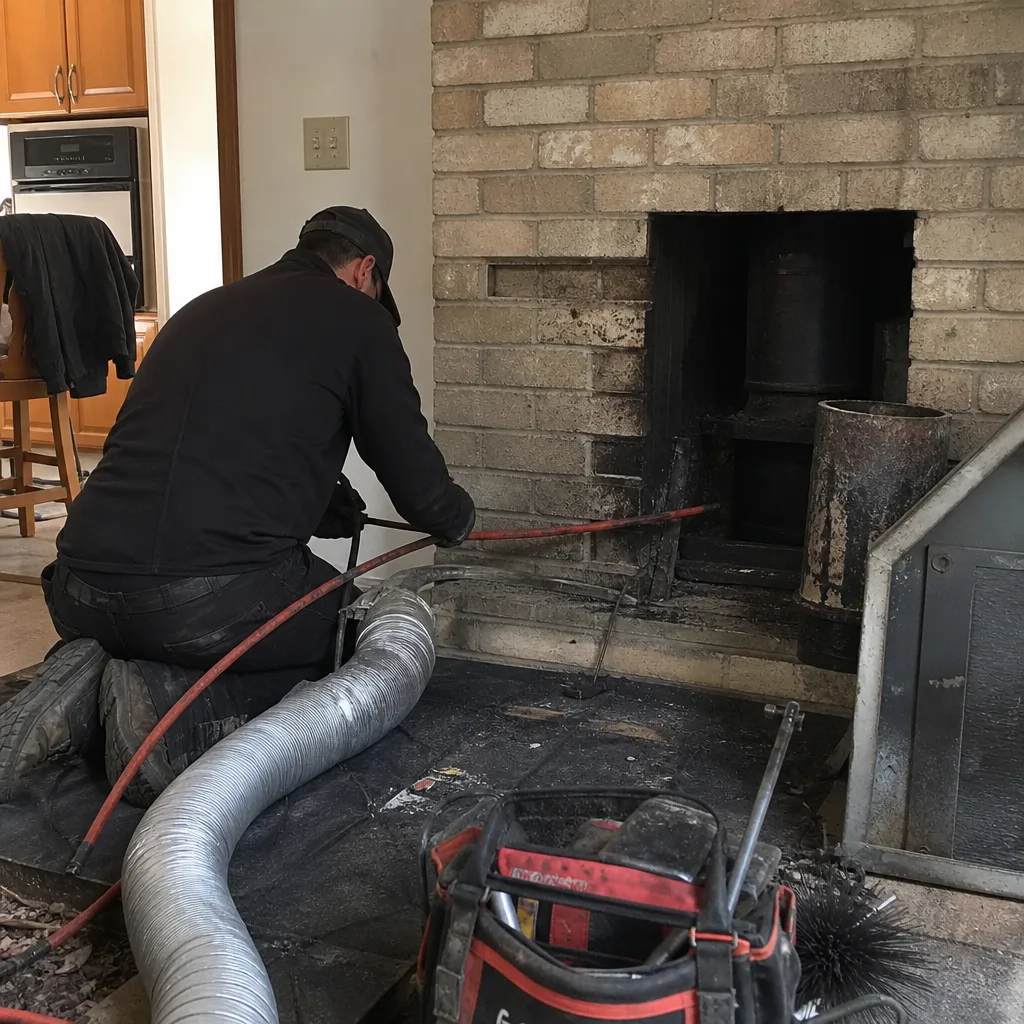
Diagnosis, not guesswork. We start with a Level 2 camera inspection on any DuraFlex liner that hasn’t been scoped in the last year, because the seams, offsets, and termination points are where failures start, and those don’t show with a mirror. We look specifically at seam integrity on flexible runs, top-plate gasket condition, and the interior surface of smooth-wall SW liners for glazed creosote.
- 2
Targeted cleaning, not a blanket sweep. If the liner is structurally sound, we clean it with the right tool for the surface. Corrugated DuraFlex SS gets a poly brush; glazed smooth-wall SW runs get a rotary sweep with a steel head, because a soft brush doesn’t touch baked-on creosote and won’t catch the offset areas where glazing forms. If we find a blockage, we clear it before cleaning.
- 3
Reseal and replace as needed. We reseal top plates, replace cracked terminations, and swap out any section of liner that’s breached or separated. We match OEM DuraFlex parts where the run is under warranty or the fit is proprietary, and we use quality aftermarket where it meets the same rating.
- 4
Draft and termination test. After cleaning and repair, we fire the appliance or check the draft path and do a final termination check on direct-vent gas units, making sure the Unit isn’t tripping and the dust/debris from the job is cleared.
- 5
Photo report and straight talk. You get photos of what we found and what we did, and we’ll tell you what’s next, if anything. Nothing gets recommended without camera evidence you can see for yourself. That’s how Norm runs every job, and that’s how it should be.
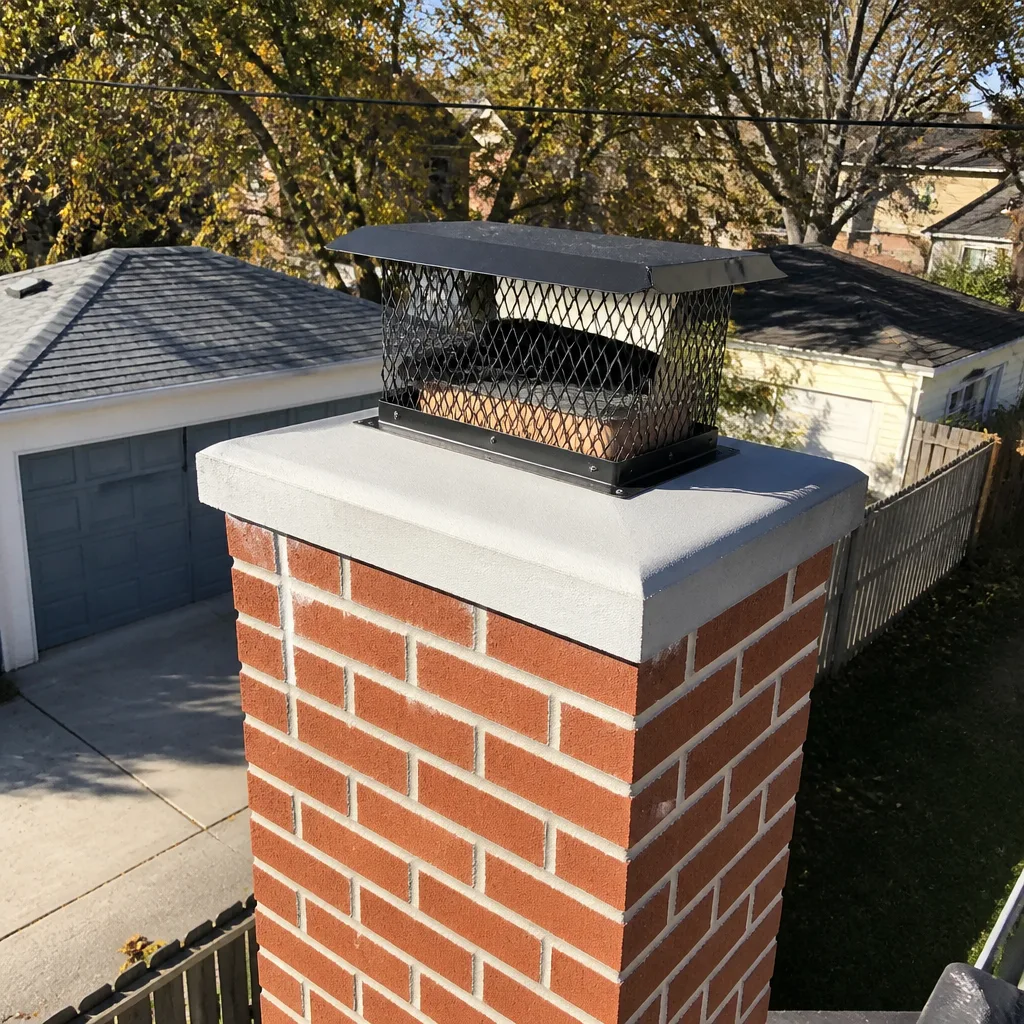
See the difference
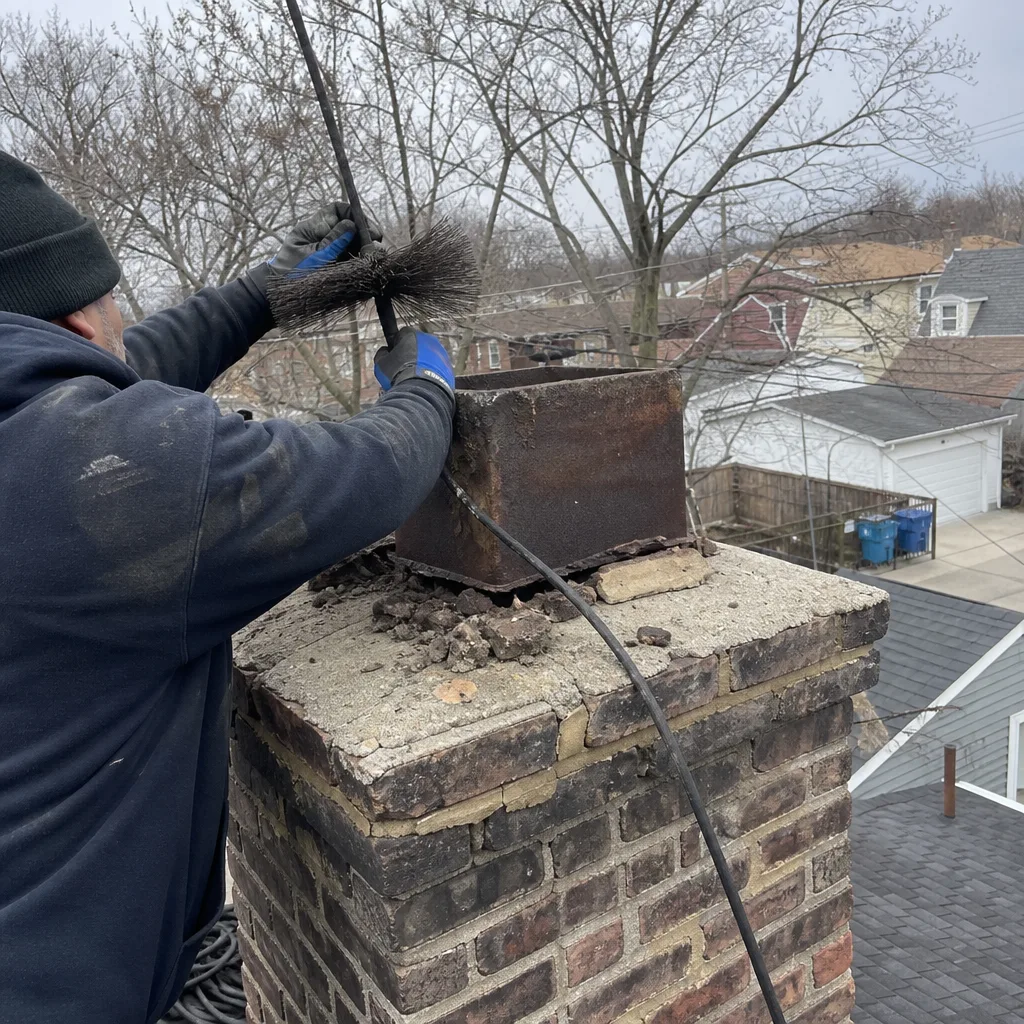 Before
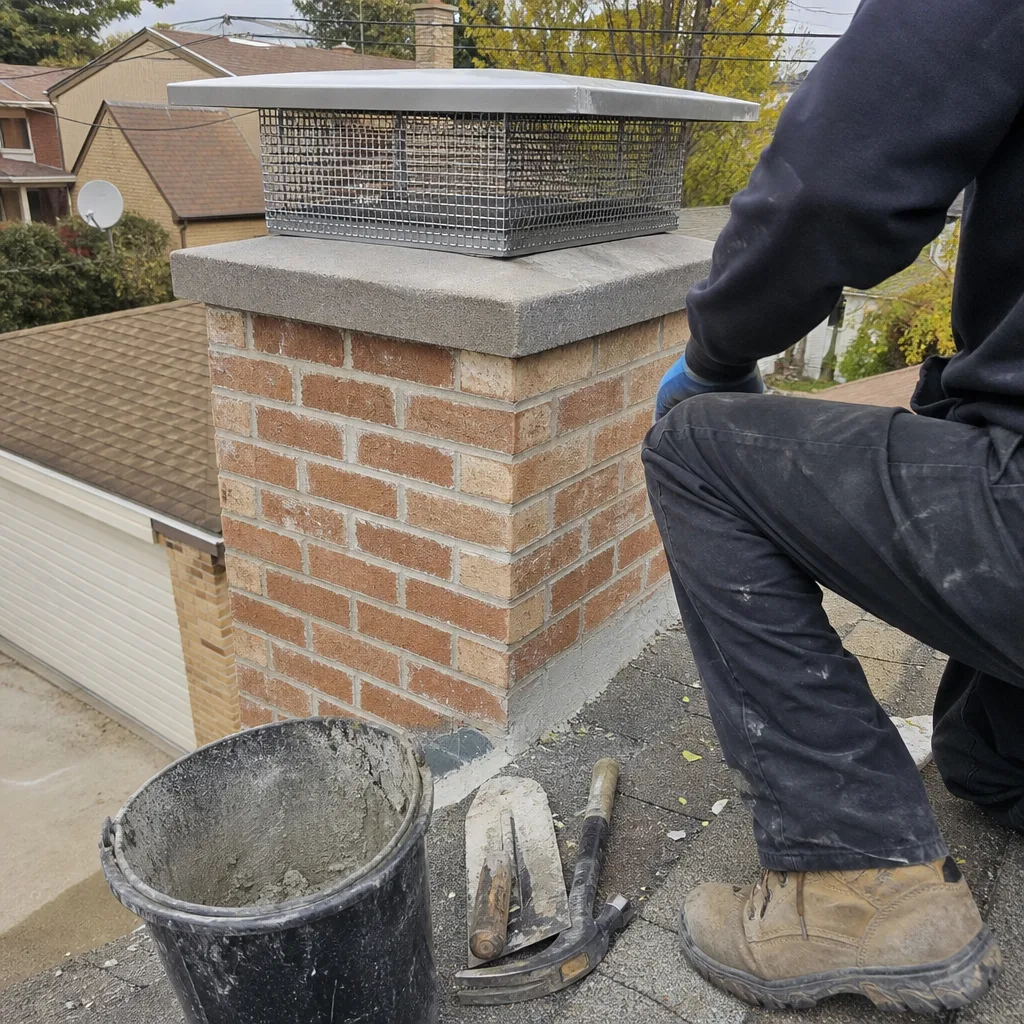 After
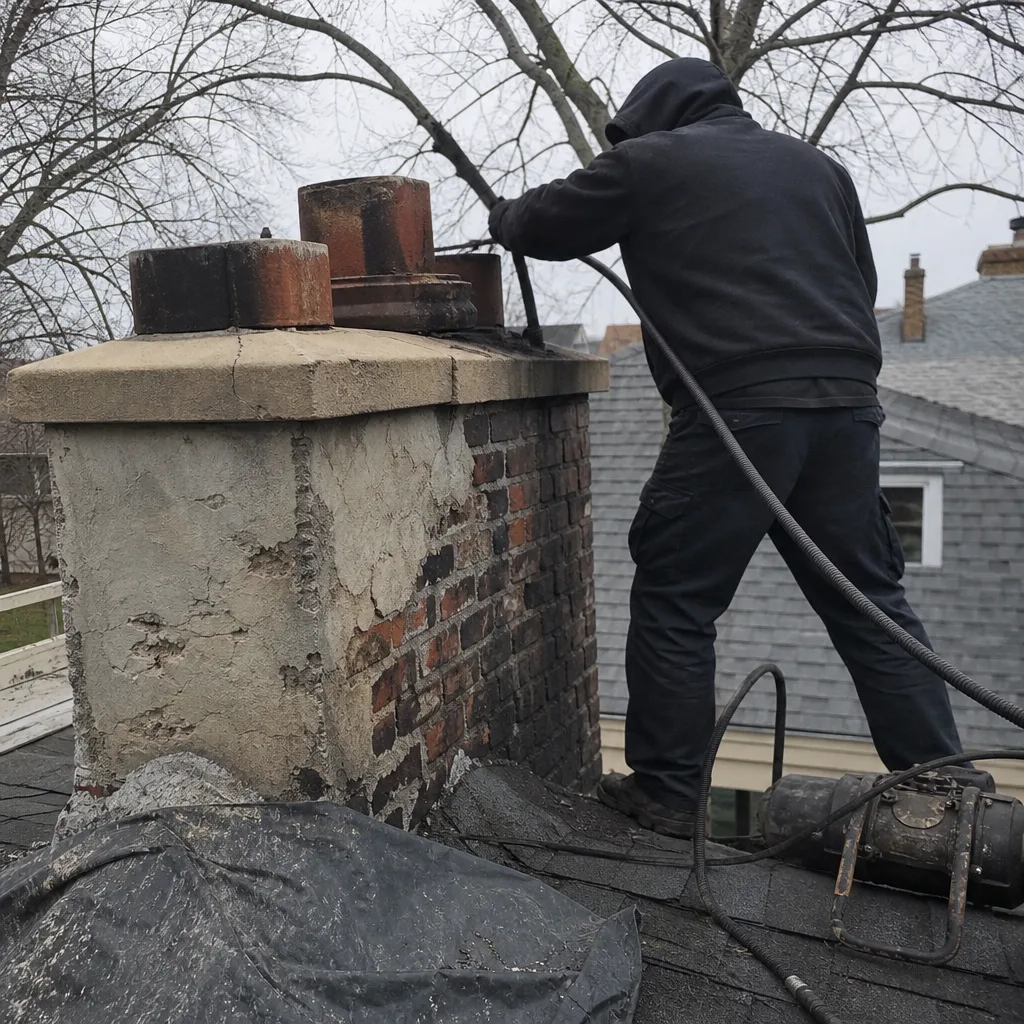 Before
 After
 Before
 After
DuraFlex Products We Service & Install in Belmont Cragin
We work across the DuraFlex range that shows up in Belmont Cragin’s bungalows and two-flats: the DuraFlex SS flexible stainless liner kits in round and oval configurations; the Pro and SW smooth-wall liner systems for wood inserts and modern appliance installations; direct-vent (DV) gas venting and termination kits for gas fireplaces and inserts; and the insulation wraps and component kits that go with them. Most of what we service in this neighborhood is SS and SW liner systems installed in the 1990s and 2000s, plus a newer generation of direct-vent terminations on gas fireplaces. We carry common DuraFlex liner sections, top plates, terminations, and connectors in the van so we can complete most repairs on the first visit.
We Also Service These Brands
DuraFlex is only one of the professional chimney brands we work with. We also service and install HeatShield ceramic resurfacing for flue restoration without tearing out the existing liner, and Gelco liner systems for full relining projects. The right material for the right repair, because no two Belmont Cragin chimneys have the same history.
FAQs – DuraFlex Chimney Cleaning Service in Belmont Cragin
Can a DuraFlex flexible liner be cleaned without pulling the insert?
Yes. In most Belmont Cragin installations, a DuraFlex SS flexible liner is pulled tight through the existing chimney and has minimal slack or coiling, so we can brush it from the top down without removing the insert or disconnecting the appliance connector. If the liner is kinked, sagging, or has an internal blockage, we’ll tell you before we touch it and talk through whether removing the insert is needed for a proper job.
How do I know if my DuraFlex liner is still safe to use?
You don’t know visually from the firebox, because liner failure starts inside the flue, at the seams and offsets, where you can’t see it. The only honest answer is a Level 2 camera inspection, which shows seam separation, corrosion, kinking, and any breach in the stainless. We do these inspections as a standard part of DuraFlex service in Belmont Cragin, and we show you the footage before we recommend any work.
Why does water get into my chimney around a DuraFlex cap?
Water leaks around a DuraFlex cap are almost always a failed top-plate gasket under the cap, not the cap itself. Over time the gasket shrinks and hardens from heat exposure and Chicago’s freeze-thaw shifts, and then rain and meltwater run down the outside of the liner and into the firebox or rust the appliance connector. We see this constantly on Belmont Cragin bungalows with original chimney crowns and no additional rain collar. Replacing the cap without resealing the top plate leaves the leak intact, so we do both together.
My gas direct-vent fireplace with a DuraFlex termination keeps shutting off – what’s wrong?
The most common causes are a clogged or corroded termination cap on the outside wall, a restricted vent run with debris or nests, or a failing pressurization switch in the unit that no longer reads sufficient draft. In Belmont Cragin, leaf and seed debris from mature street trees is the usual culprit because the neighborhood’s trees shed heavily and direct-vent terminations sit low enough to collect it. We clear the termination, brush out the vent, check for internal corrosion, and test the draft before we touch any gas valve.
Is hard, glazed creosote common on DuraFlex smooth-wall liners?
Yes, it’s common enough that we treat it as a normal maintenance issue on DuraFlex SW and Pro smooth-wall systems in Belmont Cragin, not an anomaly. Smooth-wall liners run hotter and drain faster, which is why people like them, but when creosote does form, it forms as hard glaze because the surface doesn’t hold onto soft deposits the way corrugated liners do. A standard brush skips over the glaze, especially at offsets, so we use a rotary sweep with a steel head to break it down properly.
How much does DuraFlex chimney cleaning cost in Belmont Cragin?
For a standard DuraFlex cleaning in Belmont Cragin with a typical one-story or two-story bungalow access, most jobs run between $180 and $340. If we’re adding a Level 2 camera inspection, a rotary sweep for glazed creosote, or a top-plate reseal and cap replacement, the total can go higher, and we’ll give you a firm quote before we start any of that work. Call (877) 265-6720 and we’ll scope your chimney and give you an exact number for your DuraFlex system.
Book Your DuraFlex Service in Belmont Cragin, IL
If your DuraFlex liner, direct-vent termination, or smooth-wall run needs a sweep, a camera inspection, or a top-plate reseal, call Crossroads Chimney Sweep at (877) 265-6720. Norm and the team know Belmont Cragin’s chimneys, and we’ll tell you what you need and what you don’t, with the photos to prove it. Estimates are free.
Written by Norm Szczepanski, Owner at Crossroads Chimney Sweep, serving DuraFlex repair in Belmont Cragin and Chicago’s northwest side.