Last updated October 31, 2026
 Sweep & inspection
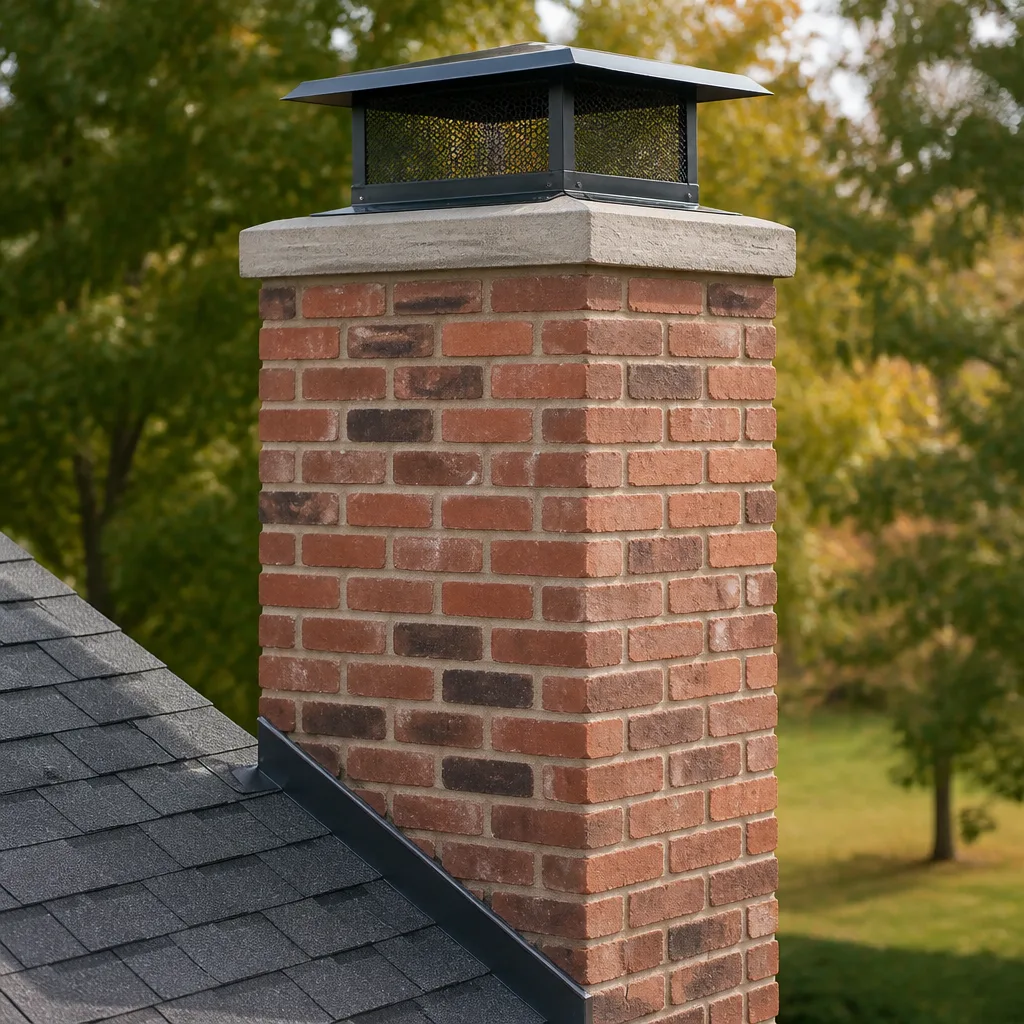 Caps & crowns
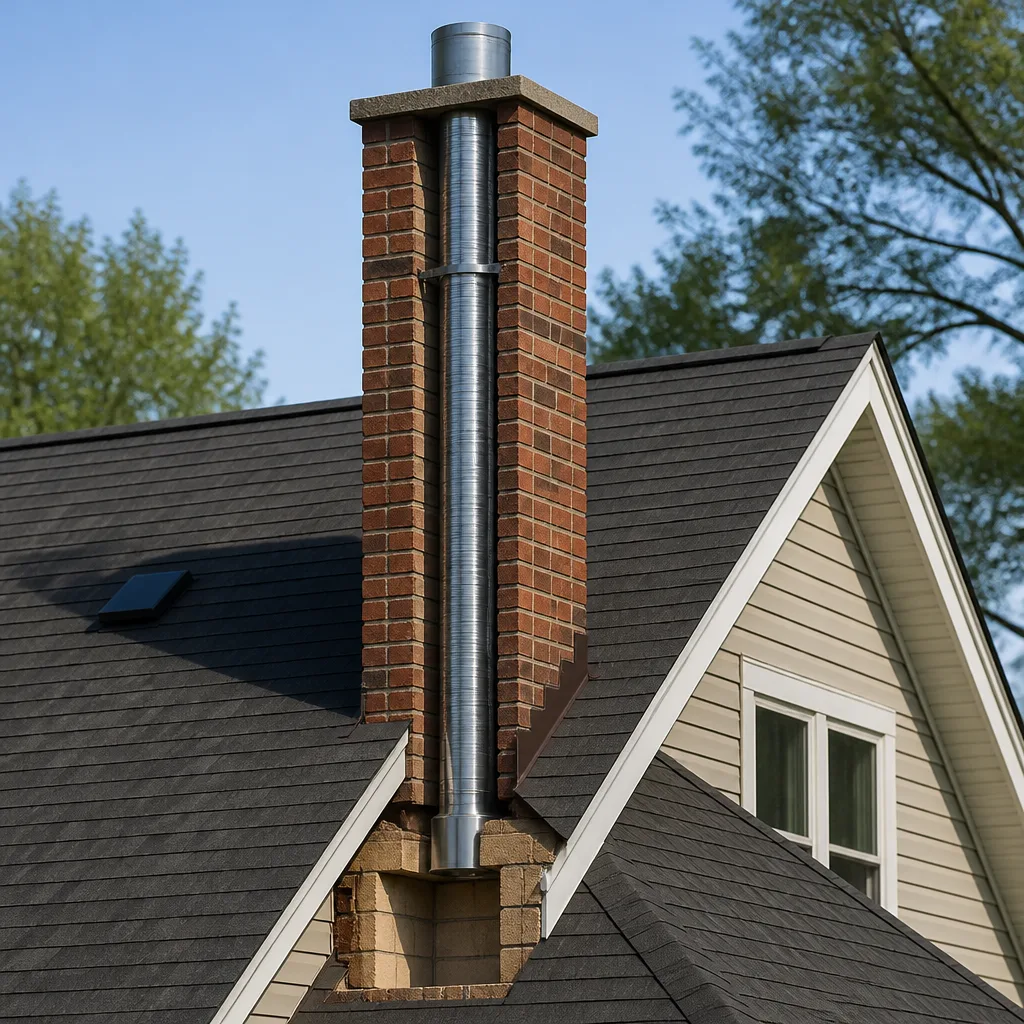 Flue relining
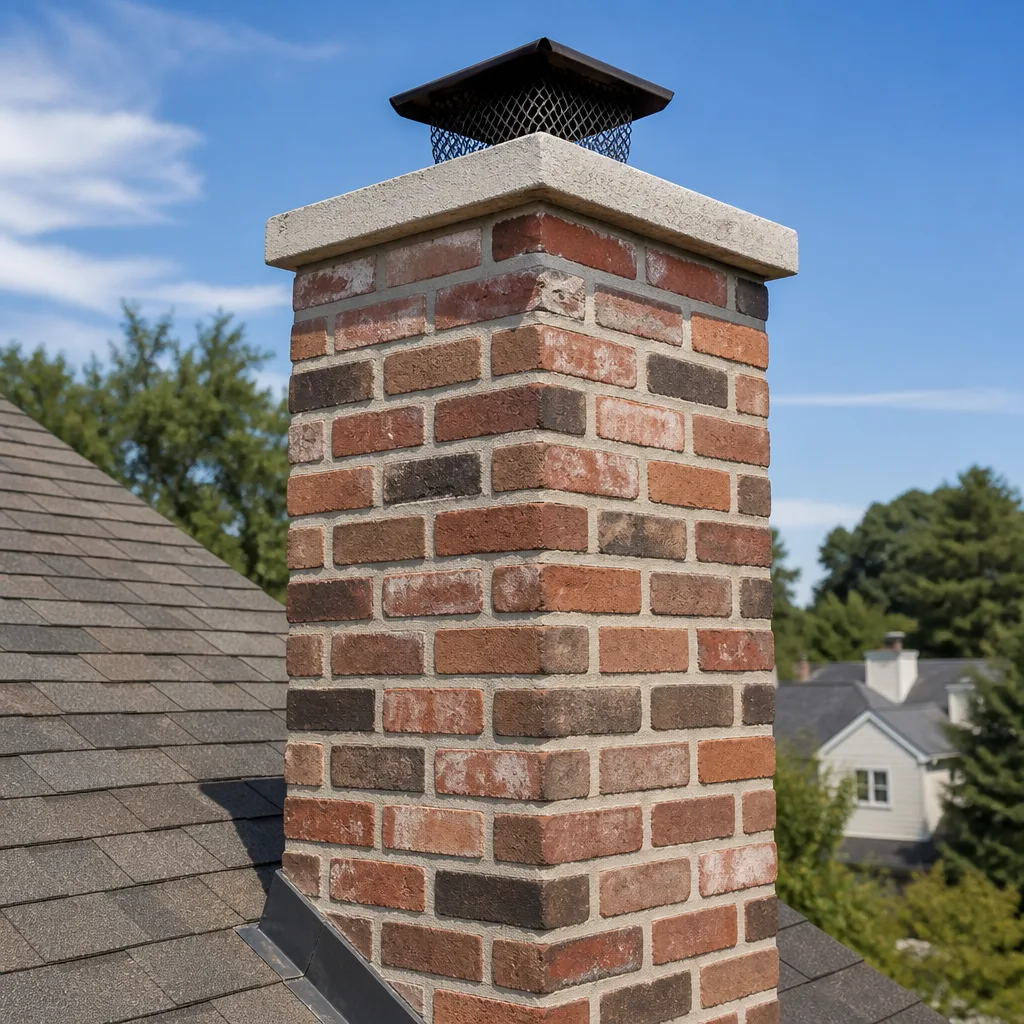 Masonry repair
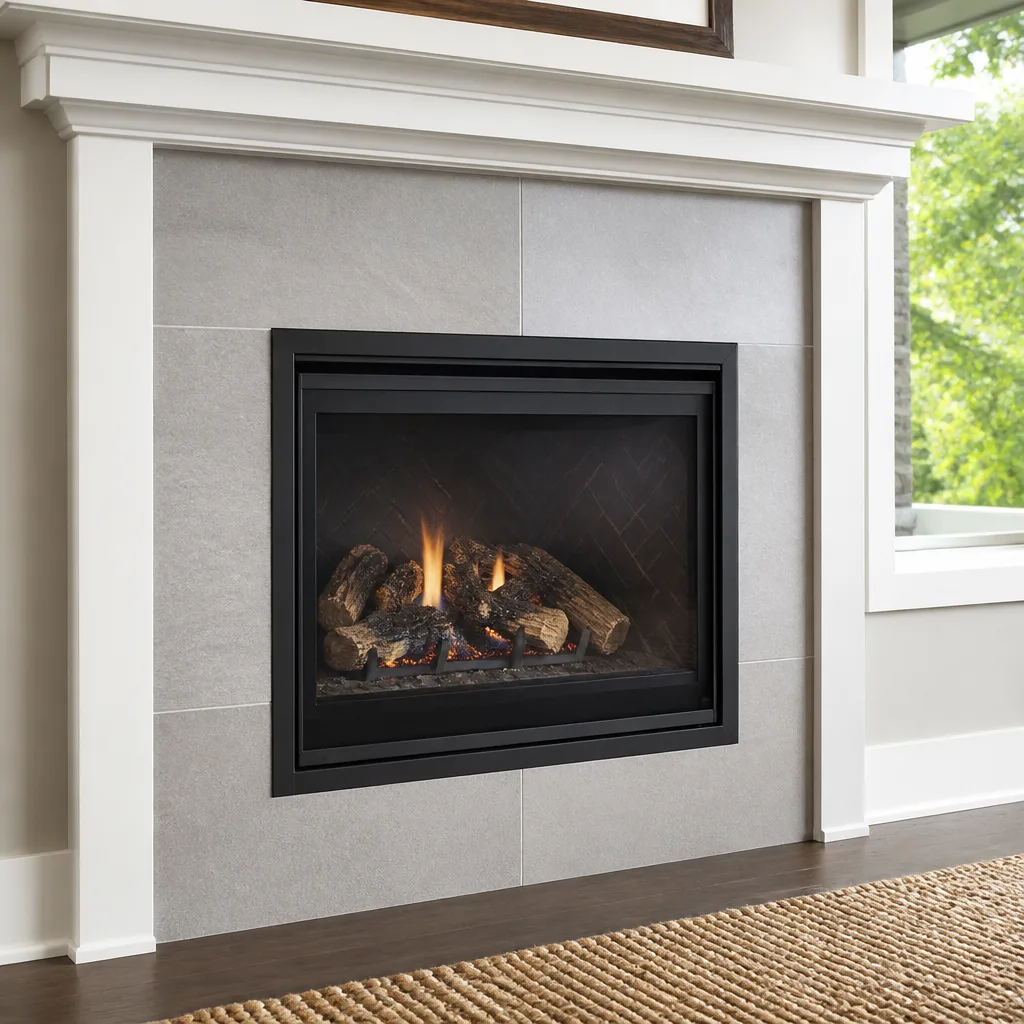 Gas fireplace service
Level 1 sweep and inspection to the NFPA 211 annual standard - flue, crown, cap, and flashing checked and photographed
Chimney sweep logs do not sweep chimneys. They loosen some creosote - which then falls where a brush and vacuum still have to collect it.
DIY vs Professional Chimney Cleaning: The Belmont Cragin Homeowner’s Decision Guide
Chimney cleaning brushes sit on the shelf at every hardware store in Chicago, priced under $40, and they will absolutely scrape creosote off your flue walls. What they won’t do is tell you whether the clay tile behind that creosote cracked during last February’s freeze-thaw cycle, or whether your crown has been quietly funneling water into the chase wall since the Obama administration. This guide is for Belmont Cragin homeowners weighing the brush against the professional, and it starts from a position most DIY articles never touch: the cleaning itself isn’t the hard part. The hard part is knowing what you’re looking at once the creosote is gone.
Styles & brands we work with
Quick Answer
DIY chimney cleaning is a reasonable option for Belmont Cragin homeowners with a straight, single-flue, wood-burning chimney who have had a professional inspection within the last 3 years and own the right equipment. For everyone else, including any home with a gas-converted fireplace, a multi-story roofline, or clay tile liners, professional cleaning with camera inspection is the only defensible choice, because a clean flue with a hidden defect is more dangerous than a dirty flue you know about.
Table of Contents
- What DIY Cleaning Actually Accomplishes (And What It Misses)
- The Real Cost of Doing It Yourself: Tools, Time, and Risk
- Which Chimney Types Are Reasonable DIY Candidates
- The 3-Year Rule: Why Cleaning Without Inspection Is Never the Right Call
- What a Professional Inspection Sees That You Can’t
- The Insurance and Liability Dimension of DIY Chimney Maintenance
- Belmont Cragin-Specific Factors: Climate, Housing Stock, and Code
- A Decision Framework for Belmont Cragin Homeowners
- Common Mistakes to Avoid
- When to Call a Professional
- Frequently Asked Questions
- The Bottom Line
What DIY Cleaning Actually Accomplishes (And What It Misses)
Let’s be direct about what happens when you run a brush up a flue. You’re removing creosote deposits from the interior surface of the chimney liner. Creosote is a byproduct of wood combustion that condenses on flue walls as smoke cools, and in sufficient quantity it’s combustible. A polypropylene or steel brush, pushed and pulled through the flue with enough passes, will knock most of it loose. It falls into the firebox, you scoop it out, you’re done. That’s the honest scope of DIY cleaning: surface creosote removal.
What it doesn’t do is assess the condition of the system carrying that smoke. In our experience across Belmont Cragin and the northwest side, the chimney problems that actually cause house fires and carbon monoxide incidents are rarely solved by a brush. A cracked flue tile behind a layer of creosote looks identical to an intact one until the creosote is removed and someone looks closely. A deteriorating mortar joint between tile sections can hold together for years, venting combustion gases into the void between the flue and the chimney exterior, until one cold night it doesn’t. A crown with hairline cracking lets water into the chimney structure every time it rains, and freeze-thaw cycles do the rest.
So the real distinction isn’t skill. It’s this: DIY cleaning answers one question, “How much creosote is in my flue?” Professional cleaning answers that question plus four more, and the four additional answers are where safety actually lives:
- Liner integrity: Are there cracks, gaps, or spalling in the flue tiles? Is the liner a continuous, sealed pathway from firebox to cap?
- Crown condition: Is the concrete crown shed water properly, or is it cracked and allowing moisture into the masonry structure?
- Flashing seal: Is the metal flashing where the chimney meets the roof still sealed, or has it lifted and opened a path for water?
- Cap function: Is the chimney cap present, properly sized, and free of obstruction? Does it have a spark arrestor in good condition?
None of those questions can be answered from inside the firebox with a brush in your hand. That’s not a knock on the brush. It’s a statement about what the brush is for.
The Real Cost of Doing It Yourself: Tools, Time, and Risk
Hardware store marketing makes the DIY economics look simple: a $38 brush beats a $250 professional sweep. Here’s what an honest do-it-yourself chimney cleaning actually costs in Belmont Cragin, assuming you’re starting from zero and you want to do it without destroying your living room or falling off your roof.
Minimum Equipment for a Safe DIY Clean
- Chimney brush sized to your flue: $35 to $65. Using the wrong size is worse than useless, it can damage the liner.
- Extension rods: $40 to $90 depending on chimney height. A two-story Belmont Cragin bungalow typically needs 20 to 30 feet of rod.
- HEPA-filtered vacuum: $200 to $400. A standard shop vac will blow fine creosote dust through your house. This is the item most DIY guides conveniently skip.
- Heavy-duty drop cloths and plastic sheeting: $30 to $50. Creosote dust is fine, black, and finds its way into fabric, carpet, and paint.
- Dust mask or respirator: $25 to $50 for something actually rated for particulate filtration. A bandana doesn’t count.
- Safety glasses and work gloves: $20 to $30.
- Ladder rated for your roof height: $150 to $300 if you’re doing it from the top down, which is the correct method for thorough cleaning.
Total realistic startup cost: $500 to $1,000. That’s not a typo. The brush is cheap. Doing the job without turning your living room into a soot-coated disaster zone and without falling off a wet Chicago roof is not. A professional sweep in Belmont Cragin typically runs $180 to $350 depending on chimney type and condition, and the professional brings their own HEPA vacuum, drop cloths, and ladder. More importantly, they bring the knowledge of what to do when the brush hits something that isn’t creosote.
There’s also the time cost. A first-time DIY chimney clean takes four to six hours including setup, the actual brushing, cleanup, and the inevitable trip back to the hardware store for something you didn’t know you needed. A professional sweep takes 45 to 90 minutes, and when it’s done your house is clean and you have a written report.
Which Chimney Types Are Reasonable DIY Candidates
The DIY decision isn’t binary. Some chimneys are genuinely reasonable for homeowner maintenance if the preconditions are met. Others should never be touched by anyone without professional training and camera equipment. Here’s the breakdown as it applies to the housing stock most common in Belmont Cragin.
Reasonable DIY Candidates
- Straight, single-flue, wood-burning chimneys: A simple vertical run from firebox to crown, with no offsets in the flue path. These are the easiest to brush completely and the easiest to see through with a flashlight from the top or bottom.
- Single-story homes with easy roof access: A low-pitch roof you can walk safely, a chimney you can reach without leaning over the edge. This describes a good portion of the bungalows and ranches in Belmont Cragin.
- Chimneys with a documented professional inspection within the last 3 years: This is the non-negotiable precondition. An inspection that verified liner integrity, crown condition, and flashing seal means you’re cleaning a chimney that’s known to be structurally sound.
- Wood-only chimneys with no history of water damage: No staining on interior walls near the chimney, no efflorescence on exterior brick, no musty smell in the firebox.
Never DIY Candidates
- Gas-converted chimneys: If a previous owner converted a wood-burning fireplace to gas logs or a gas insert, the original clay tile liner may be sized incorrectly for the lower-temperature gas exhaust. The result is excessive condensation, accelerated liner deterioration, and a system that needs professional assessment before anyone brushes anything. A chimney sweep certified to work with gas systems will also verify venting clearances and termination requirements. This is a job for a specialist like Chimney Sweep in Belmont Cragin, not a weekend project.
- Multi-story chimneys with offset flues: A flue that jogs or angles is nearly impossible to brush completely with homeowner-grade tools, and the offset sections are where creosote concentrates into a hard, glazed form that brushes can’t remove. Those sections also hide defects most effectively.
- Clay tile systems with visible water damage anywhere: Spalling tiles in the firebox, water streaks on the chimney exterior, or a crumbling crown all signal a chimney that needs repair before cleaning, not cleaning before repair.
- Any chimney that hasn’t been professionally inspected in more than 3 years: This isn’t a suggestion. It’s the rule, and it gets its own section below.
The 3-Year Rule: Why Cleaning Without Inspection Is Never the Right Call
Here is the decision framework in its simplest form, and we’ll state it plainly because it governs everything else on this page: if the last professional inspection was more than 3 years ago, DIY cleaning without inspection is never the right call regardless of your skill level, your equipment, or how confident you feel.
The reasoning is not about protecting professional turf. It’s about the physics of chimney deterioration. Chimneys live outside. They’re masonry structures, constantly exposed to rain, snow, ice, and the freeze-thaw cycles that define Chicago winters. A chimney can develop a structural defect in a single season. A crown crack that opens in January lets water in every time it rains until November. A flashing seal that fails during a spring storm lets water run down the chimney exterior for months before anyone notices the staining on the ceiling.
If the last time a professional looked at your chimney was more than 3 years ago, you have no documented baseline for the condition of the liner, the crown, the flashing, or the cap. DIY cleaning in that situation means you’re polishing a surface while blind to the structure beneath it. You’ll finish the job, look at a clean firebox, and feel good, and meanwhile a gap in your flue tile has been venting exhaust into the wall cavity since the last time the Bears made the playoffs.
There’s a reason professional chimney sweeps inspect before they clean. The cleaning reveals the liner. The inspection reads it. The two are inseparable, and skipping the second half means the first half doesn’t count for much.
If a clean, documented inspection is within the last 3 years, and your chimney falls into the reasonable DIY candidate categories above, then yes, a homeowner cleaning between professional visits can be a sensible choice. The inspection gives you the baseline. The cleaning maintains it. That’s the only sequence that makes sense.
What a Professional Inspection Sees That You Can’t
You’ve probably seen the camera-in-the-flue routine on YouTube, and it’s easy to dismiss it as a gimmick. It’s not. The visual inspection is the single highest-value part of a professional chimney cleaning, and it’s the part DIY work fundamentally cannot replicate. Here’s what changes when someone puts a camera up your flue.
A chimney camera is a high-resolution, waterproof, light-equipped probe pushed through the flue from the firebox to the crown. It shows, in real time and recorded for documentation, the interior surface of the flue tiles, the mortar joints between them, any offset sections, and the condition of the cap from below. It reveals cracks that a flashlight from the top would never catch, because the camera is inches from the surface, moving slowly, with the light focused where it needs to be. It shows delamination in clay tile liners, erosion at the mortar joints, and the early stages of spalling that haven’t yet produced visible chunks in the firebox.
This is the difference between knowing your chimney is clean and knowing your chimney is sound. Cleaning tells you creosote levels. Inspection tells you whether the chimney is safe to burn in. Those are separate questions, and the second one matters more.
In our work across Belmont Cragin, we regularly find defects in chimneys that the homeowner had been using for years, and that a DIY cleaning would never have uncovered. Hairline cracks at offset joints. Water tracks behind the tile that only show up under camera light. Mortar crowns that have been silently absorbing water for a decade. None of these are visible from the firebox. All of them are visible within the first three minutes of a camera inspection. This is why we frame our own service around the inspection first and the cleaning second, and why we tell every homeowner that the report they get after the sweep, with photos and findings, is the actual product. The soot removal is a side benefit.
The Insurance and Liability Dimension of DIY Chimney Maintenance
Here’s a conversation almost no DIY guide has, and it matters more in Illinois than most homeowners realize: what happens with your insurance claim after a chimney fire when the chimney was DIY-maintained?
The honest answer is that it depends on your policy, your carrier, and the circumstances of the fire, but the structural reality is this: insurance companies spend a lot of money on fire claims, and chimney fires are not rare. When a fire investigator or claims adjuster looks at a chimney fire, one of the first questions is whether the chimney had been professionally maintained. A homeowner with a stack of professional cleaning and inspection reports, showing regular service and documentation of liner condition, is in a different position than a homeowner who says, “I cleaned it myself every year.”
The professional reports establish something specific: that a qualified third party examined the system, documented its condition, and found it safe to operate at the time of service. That documentation functions as evidence of due diligence. The DIY cleaning, even if done properly, leaves no such trail. It’s your word against the fire investigator’s questions, and you are not a neutral third party.
This is not to say a DIY chimney fire automatically voids coverage. That’s not how insurance works, and any claim that suggests otherwise is scaremongering. But it is to say that in a disputed claim, documentation matters, and professionally generated documentation is harder to dispute than homeowner testimony. It’s also worth noting that some policies and some carriers are beginning to ask specifically about chimney maintenance history in the underwriting process, not just at claim time. If you buy a house in Belmont Cragin with a wood-burning fireplace, and you can’t provide any record of chimney service, you may find the question comes up when you renew your policy.
For homeowners who do choose DIY cleaning between professional visits, at minimum keep a written log: date, what you did, what you saw, and the last professional inspection date. That’s not a substitute for professional documentation, but it’s better than nothing, and it forces you to acknowledge the 3-year rule every time you write in the log.
Belmont Cragin-Specific Factors: Climate, Housing Stock, and Code
Chimney care advice that’s written for a generic homeowner in a generic climate doesn’t account for the realities of Belmont Cragin. This is a neighborhood of brick bungalows, many built in the 1920s through 1940s, with masonry chimneys that have been exposed to nearly a century of Chicago weather. The specific conditions here matter.
Freeze-Thaw Is the Primary Chimney Killer
Chicago endures more freeze-thaw cycles per winter than almost any major city in the country, not because it gets the coldest, but because the temperature oscillates around freezing constantly. Water gets into a hairline crack in the crown or the mortar joint, freezes, expands, and widens the crack. The next thaw lets in more water. Repeat that a hundred times over a single winter and a cosmetic issue becomes a structural one. Belmont Cragin chimneys, with their original clay tile liners and now-century-old mortar, are especially susceptible. This is why the 3-year inspection interval matters more here than in, say, Phoenix, and why we tell homeowners to think of chimney inspection as an annual or bi-annual rhythm tied to the freeze-thaw cycle, not a chore you do once a decade.
The Housing Stock Makes Camera Inspection More Important, Not Less
A lot of Belmont Cragin homes have heating systems and fireplaces that have been modified over the decades. Original coal-burning fireplaces were converted to wood, then some were converted to gas logs or inserts, and some chimneys now vent furnaces or water heaters alongside or instead of fireplaces. Each conversion changes the thermal profile of the flue, and the original clay tile liner, which was never designed for the exhaust characteristics of modern gas appliances, deteriorates faster when it’s asked to handle the wrong fuel. This is where brand-specific materials matter. When a liner in a Belmont Cragin chimney needs repair or replacement, the options are not generic. A Chimney Repair in Belmont Cragin involves decisions about relining with a flexible liner system like DuraFlex, or resurfacing the existing flue with a ceramic product like HeatShield. These are specific, nameable solutions, and they’re the difference between a repair that lasts twenty years and one that fails in five.
Local Code and Permitting
Chicago has its own building code, and while chimney sweeping itself doesn’t require a permit, any structural repair, relining, or cap replacement typically does. A professional chimney company operating in Belmont Cragin works under permits where required, and the permit trail becomes part of the documentation that matters for insurance and resale. A homeowner doing a DIY cleaning isn’t violating any code requirements, but a homeowner doing DIY repairs often is, and the distinction between cleaning and repair is where many DIY projects go wrong. If the brush hits a problem, and the response is to patch it with a hardware store product, that’s a repair, and it’s a repair that should have been permitted and professionally done. We use Copperfield and Olympia Chimney components for cap and crown work because these are products sold through professional channels and specified for the conditions Chicago chimneys face. The right material for the right repair isn’t a slogan; it’s the only way a masonry chimney survives a Chicago winter.
A Decision Framework for Belmont Cragin Homeowners
Here’s the whole decision reduced to a step-by-step process. Follow this in order and the answer to “DIY or professional?” takes care of itself.
- Check the date of your last professional chimney inspection. If you can’t find one, or it’s more than 3 years old, stop here. Book an inspection. DIY cleaning before you have a documented baseline is the wrong sequence, every time.
- Identify your chimney type. Straight, single-flue, wood-burning, single-story, easy roof access? You’re in DIY candidate territory, pending the next step. Gas-converted, multi-story, offset flue, or any visible water damage? Professional only. No exceptions.
- Acquire the real equipment list. Not just the brush. HEPA vacuum, drop cloths, respirator, proper ladder, correctly sized brush and rods. If you’re not willing to buy all of it, you’re not actually saving money by going DIY.
- Do the cleaning. Document it. Keep a written log with the date, your observations, and the date of the last professional inspection. This log matters for insurance and for your own discipline.
- Return to professional service on a schedule. DIY cleaning between professional visits, not instead of them. The interval for professional inspection in Belmont Cragin should be every 1 to 3 years depending on chimney usage and age. The interval for DIY cleaning can be more frequent if you burn regularly, but it never replaces the inspection.
- When in doubt, call. If anything looks wrong during a DIY clean, if the brush hits resistance, if you see cracked tiles or water staining, stop. That’s no longer a cleaning job. That’s a chimney repair, and it belongs in professional hands.
Common Mistakes to Avoid
- Treating cleaning as a substitute for inspection. This is the big one, and it’s worth repeating in every possible phrasing. A clean chimney with a cracked liner is more dangerous than a dirty chimney with a known defect. Cleaning tells you nothing about structure.
- Using a too-small brush. A brush that doesn’t make full contact with the flue walls does essentially nothing. If it slides through with no resistance, it’s the wrong size. You need the diameter that fills the flue cross-section.
- Skipping the HEPA vacuum. A standard shop vac without a HEPA filter will exhaust fine creosote dust into the room, and that dust is not just messy, it’s a respiratory irritant and a fire hazard if it settles on surfaces near the fireplace. This is the most common equipment shortcut, and it’s the one that makes DIY more expensive than professional service in the long run after you pay to clean the soot film off your walls.
- Cleaning from the bottom only. Brushing from the firebox upward through the damper catches only the lower portion of the flue. To clean the full height, you need top-down access, which means getting on the roof, which means a ladder, a safety plan, and a second person who knows you’re up there. This is where most DIY chimney injuries happen, and they’re never worth it.
- Ignoring the dryer vent while you’re at it. Belmont Cragin homes with gas dryers have a second venting system that accumulates lint and creates fire risk, and it’s often ignored because it’s not a chimney. The dryer vent cleaning needs the same annual attention as the fireplace flue, and it’s a job that’s easier to bundle with a professional chimney visit than to tackle as a separate DIY project with the wrong tools.
- Patenting a problem instead of reporting it. When DIY cleaning uncovers a cracked tile or a deteriorating joint, the worst response is to smear high-temperature sealant on it and call it fixed. That’s a temporary bandage on a structural problem, and it fails at the worst possible moment. The right response is to stop using the fireplace and call a professional who can assess the actual scope of the repair and recommend the correct material, whether that’s a HeatShield resurfacing or a DuraFlex reline.
When to Call a Professional
Some situations leave no room for a DIY decision. If you see cracked or spalling flue tiles in your firebox, call a professional before your next fire. If you smell smoke in the house when the fireplace is not in use, call. If you see water staining on walls or ceilings near the chimney, call. If your carbon monoxide detector has gone off and you can’t explain why, call and stop using the fireplace until it’s inspected. If your chimney is gas-converted, call for the annual inspection regardless of how clean you think it looks. If you just bought a Belmont Cragin home and the previous owner left no maintenance records, call and get your baseline inspection on the calendar. Crossroads Chimney Sweep offers free estimates in Belmont Cragin, and we bring the camera, the HEPA filtration, and the documentation every time. Call (877) 265-6720 and we’ll schedule the inspection that answers the question DIY never can.
Frequently Asked Questions
A professional chimney sweep in Belmont Cragin typically costs between $180 and $350 for a standard wood-burning fireplace, with the final price depending on chimney height, creosote buildup level, and whether any additional access equipment is needed. The sweep should include a camera inspection and a written report, not just the brushing. Call (877) 265-6720 for a free estimate on your specific chimney.
For a wood-burning fireplace in regular use, annual sweeping is the safe minimum in Belmont Cragin’s climate. Homes that burn infrequently can often go two years between sweeps, but the inspection component should still happen annually, because freeze-thaw damage occurs whether you burn wood or not. Gas-converted fireplaces need annual inspection for venting integrity even though they produce less creosote.
Creosote accumulates in layers, and when it reaches a certain thickness, it becomes combustible. A chimney fire burns at temperatures that can crack flue tiles, warp the damper, and transfer heat to nearby framing. The chimney may survive the visible fire while the hidden damage from the heat sets the stage for a house fire months later. Skipping cleaning is not the same as skipping maintenance; it’s deferring fire prevention, and the deferral compounds.
We don’t recommend it. Gas-converted fireplaces and inserts have venting requirements that differ from wood-burning systems, and the original clay tile liner may be deteriorating from the lower-temperature exhaust. A professional will verify clearances, termination height, and liner condition as part of the cleaning. The consequences of getting a gas vent wrong are carbon monoxide, not just creosote.
Yes, and this is one of the most common misconceptions in Belmont Cragin. A chimney that never gets used still sits on your roof absorbing rain, snow, and freeze-thaw cycles all winter. The crown, flashing, and cap deteriorate whether or not there’s ever a fire in the firebox, and a deteriorating chimney can cause water damage and mold that has nothing to do with creosote. The inspection catches those problems before they reach your ceilings.
At Crossroads Chimney Sweep, it can. We offer chimney sweeping and dryer vent cleaning in Belmont Cragin as separate services that are easy to bundle into one visit, so one appointment covers both of the major fire-risk venting systems in your home. We use Famco ventilation components for proper dryer vent termination and airflow integrity. Call (877) 265-6720 to schedule both at once.
The Bottom Line
The DIY chimney cleaning question isn’t about skill, and it isn’t about saving money. It’s about whether you have a documented baseline of your chimney’s structural condition. If you do, and your chimney is a straight, wood-burning, single-flue system on a single-story home, DIY cleaning between professional visits is a legitimate choice. If you don’t, DIY cleaning is polishing a surface while blind to the structure beneath it, and the blind spot is where fire and carbon monoxide live. Belmont Cragin’s freeze-thaw climate and century-old housing stock make this more true here than in most places. Get the inspection. Then decide. The brush will still be at the hardware store when you need it.
Written by the team at Crossroads Chimney Sweep, serving Belmont Cragin since 2014.
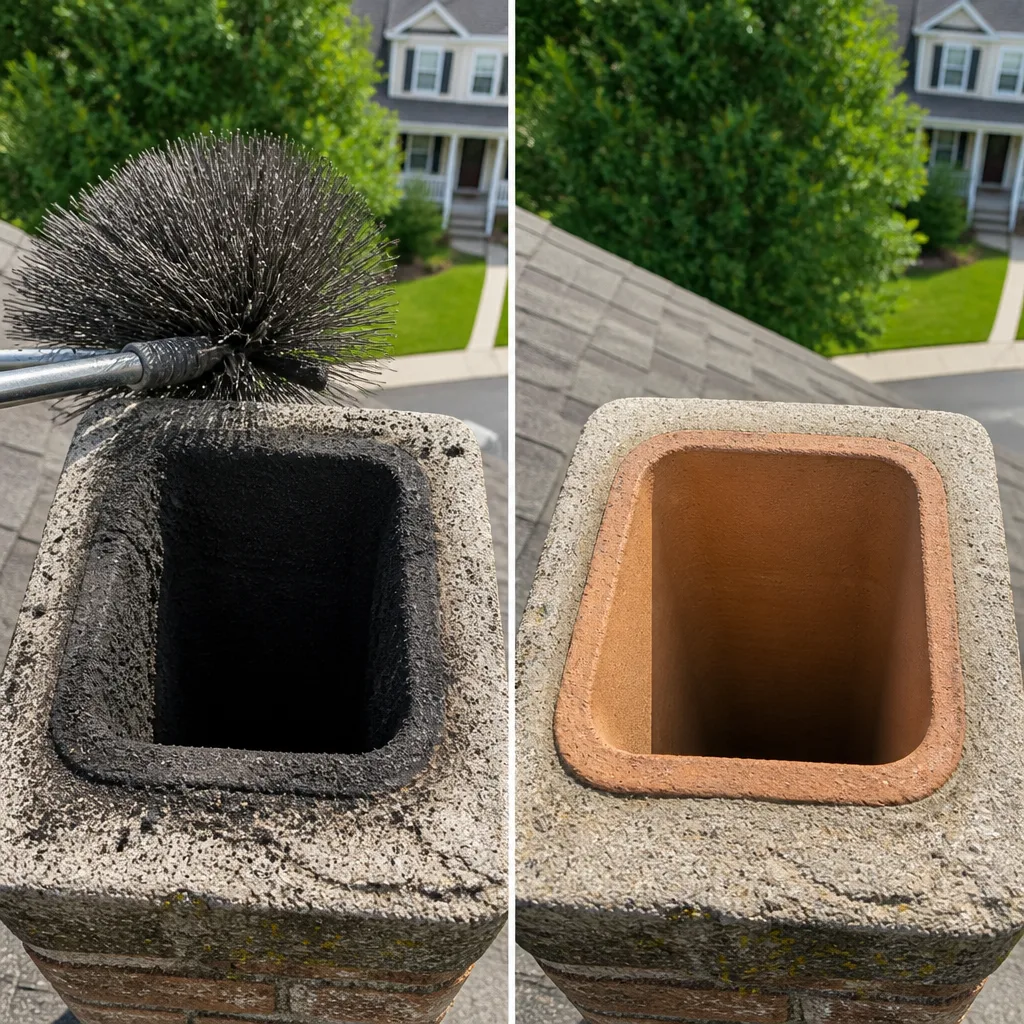
See the difference
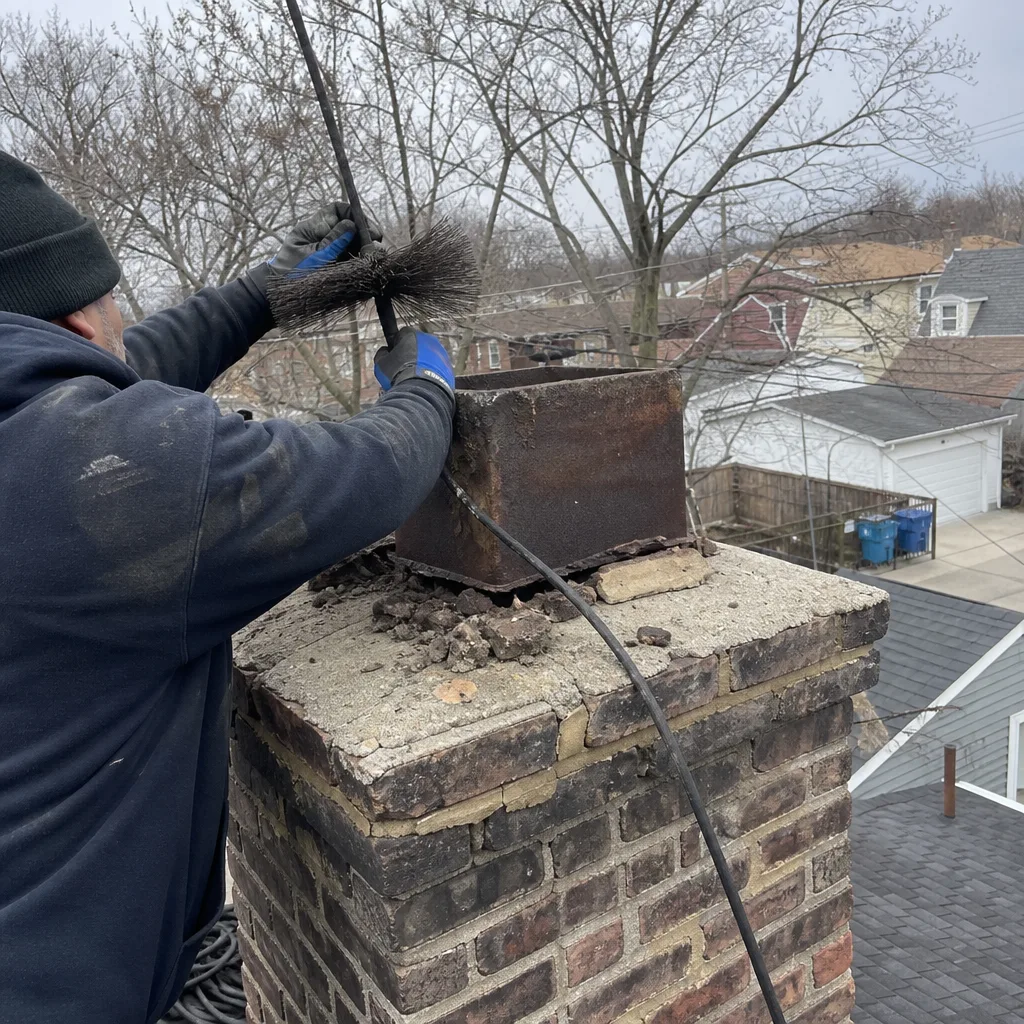 Before
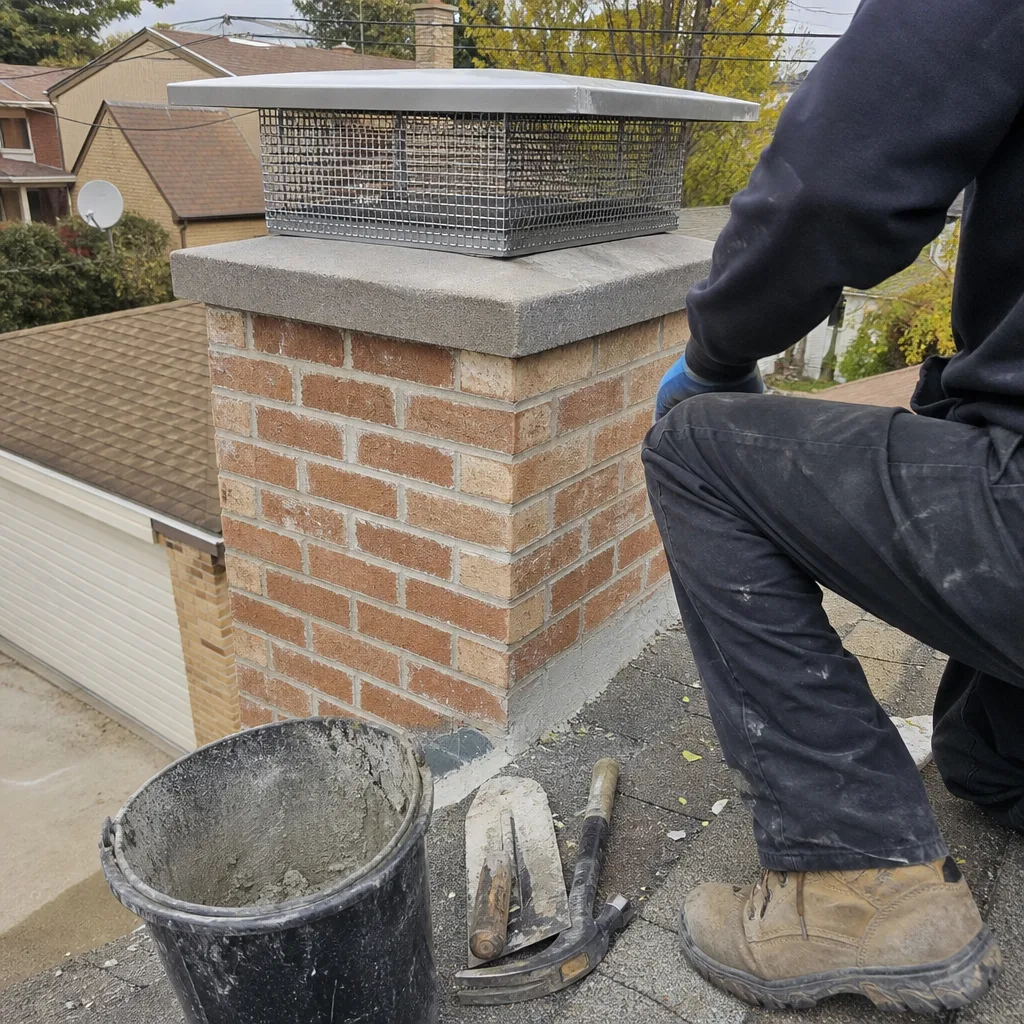 After
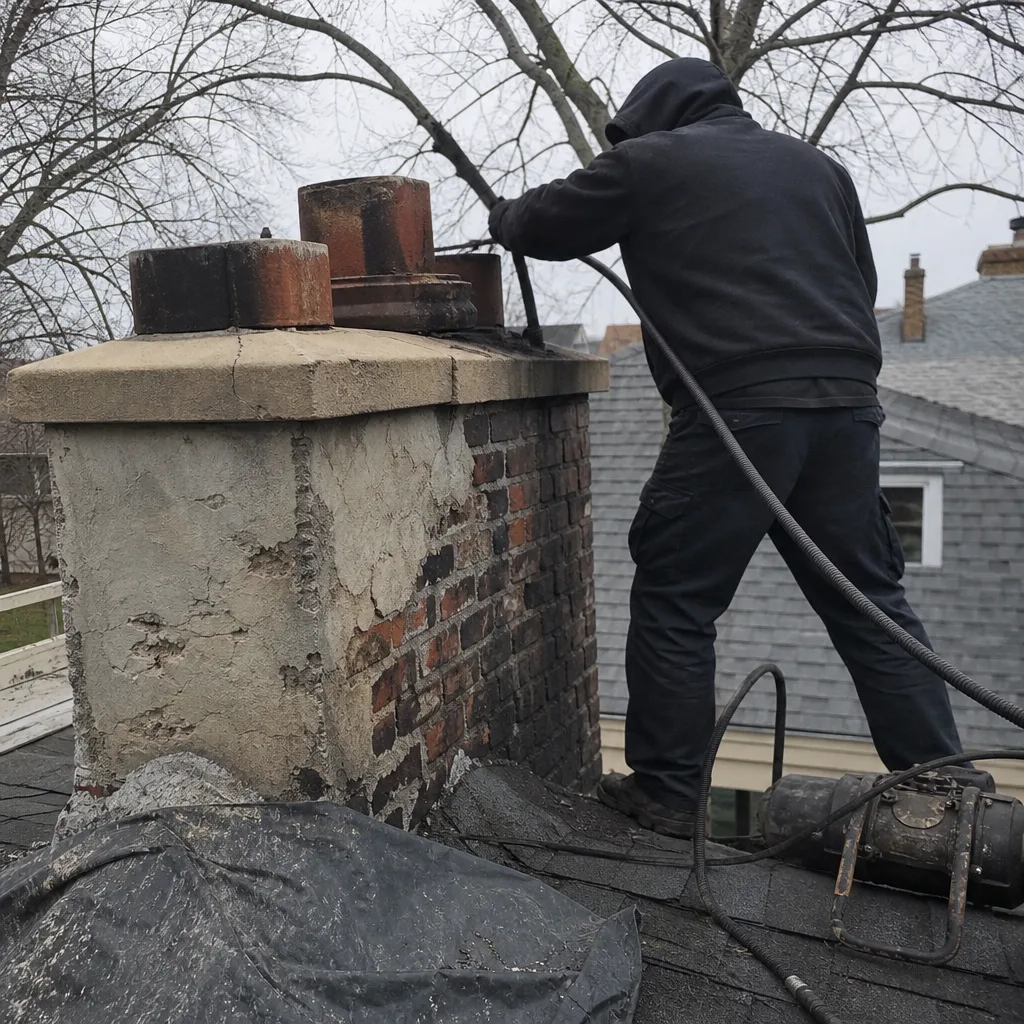 Before
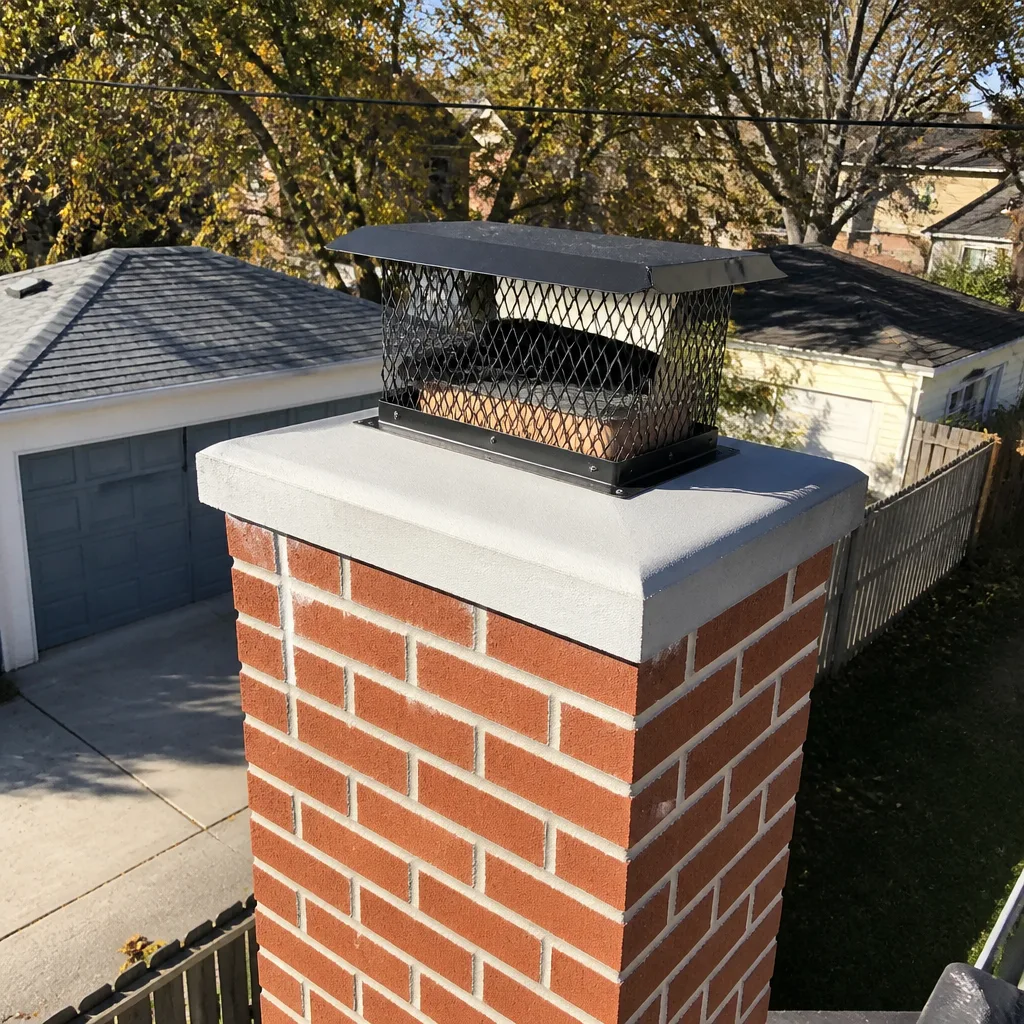 After
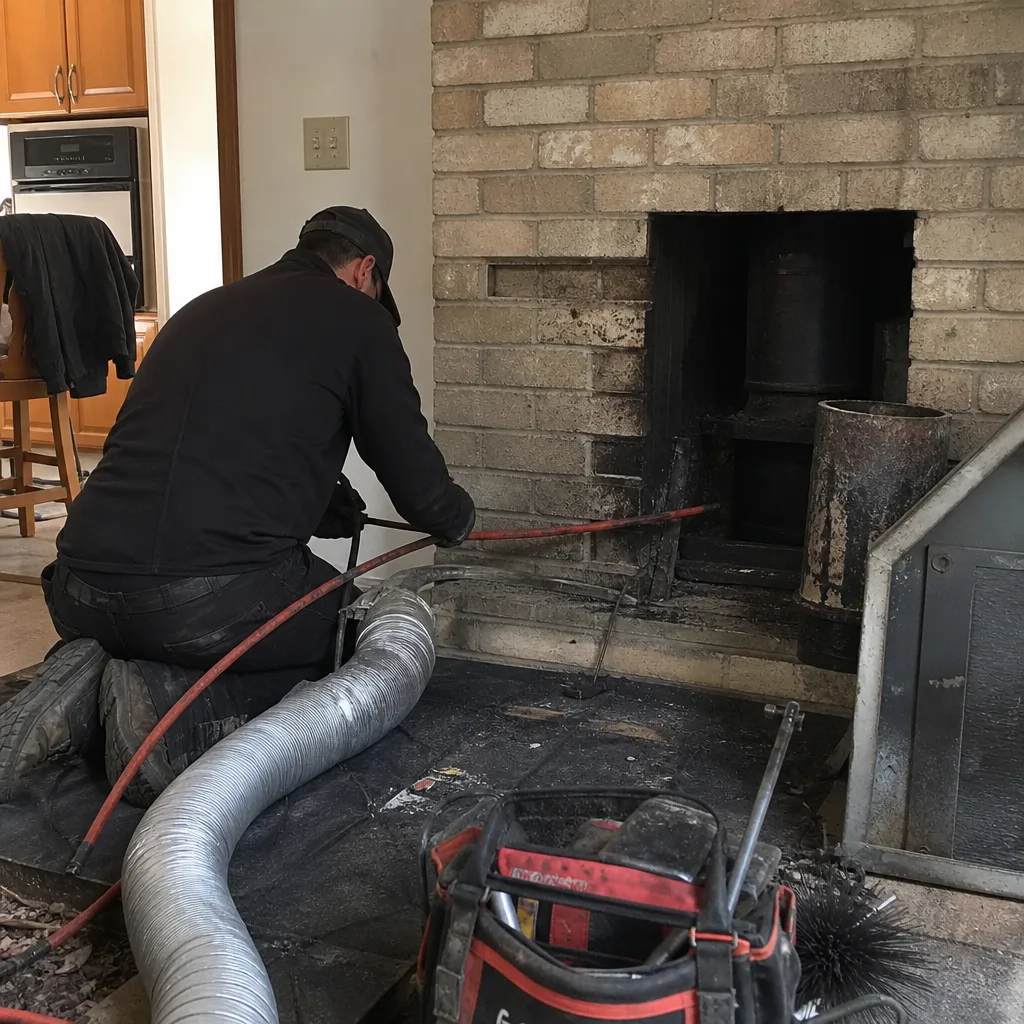 Before
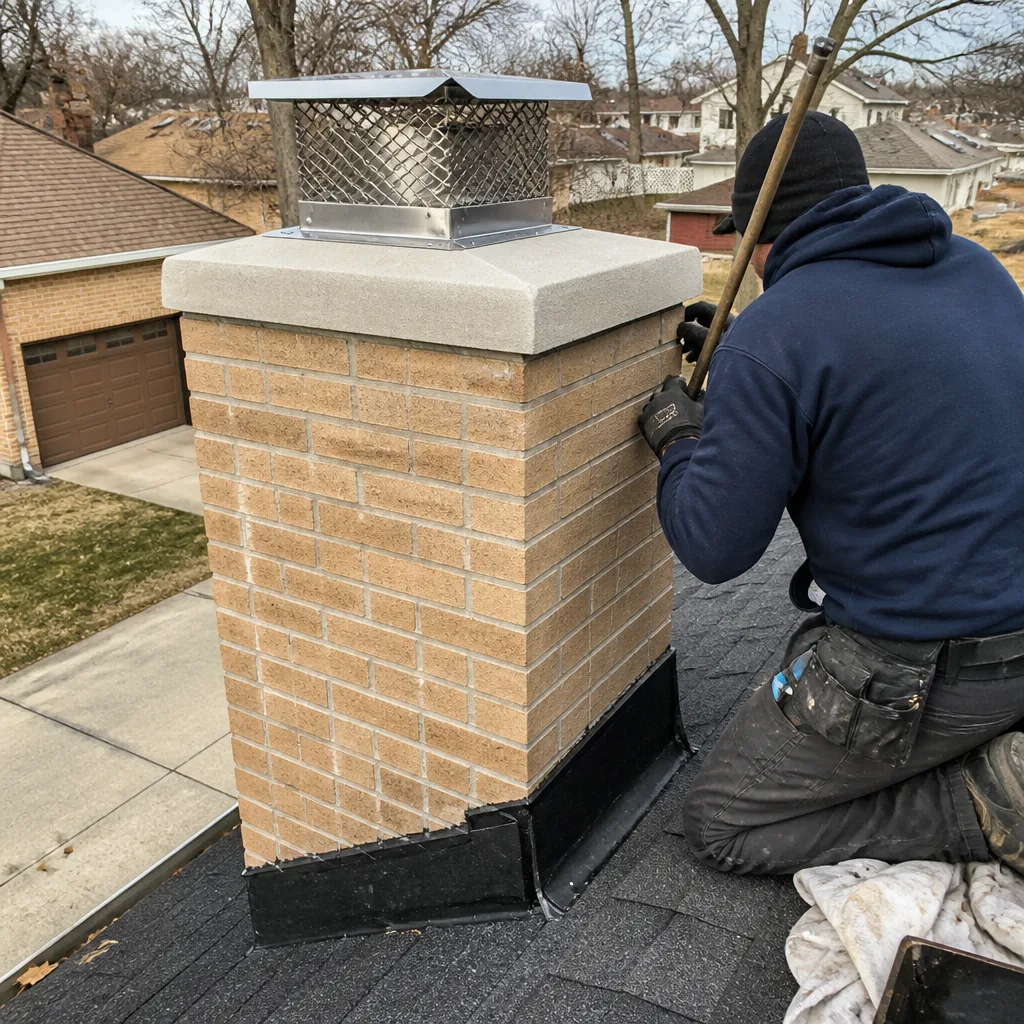 After