Last updated October 31, 2026
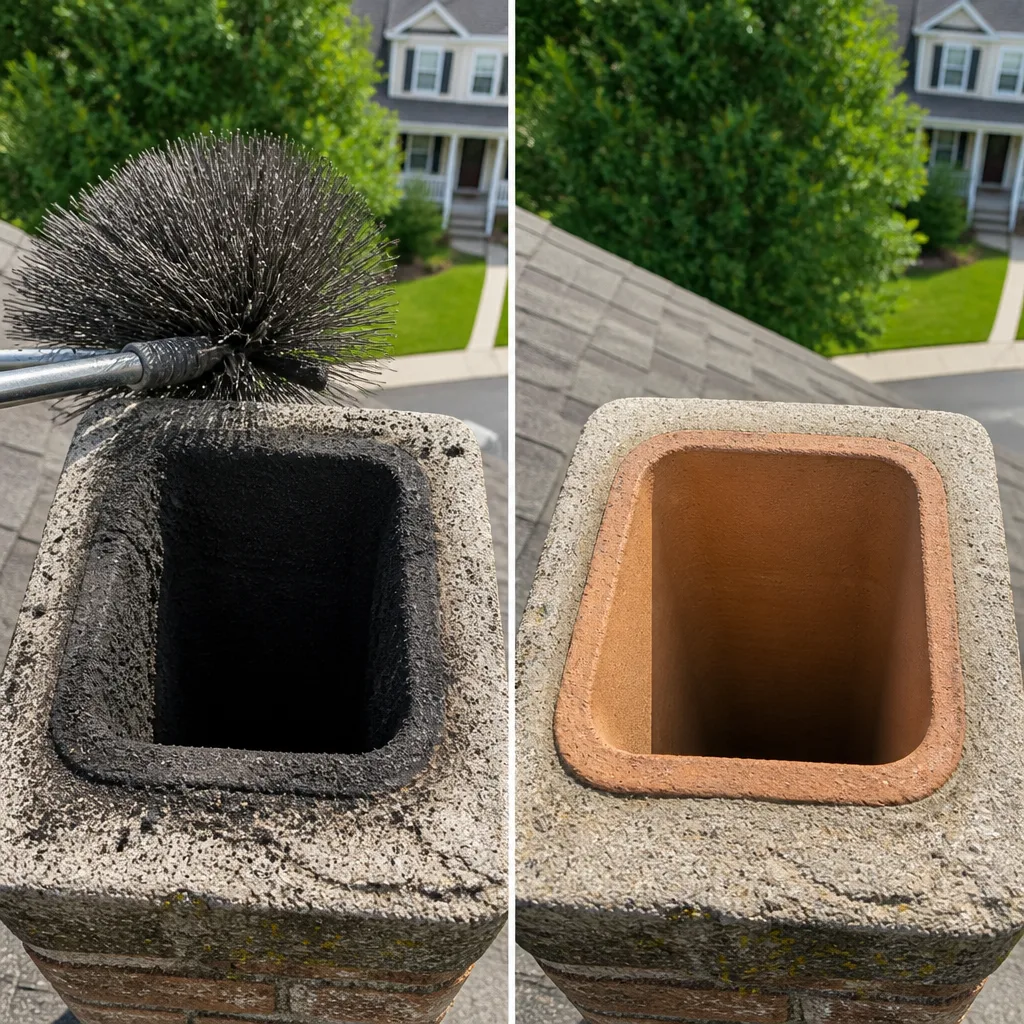 Sweep & inspection
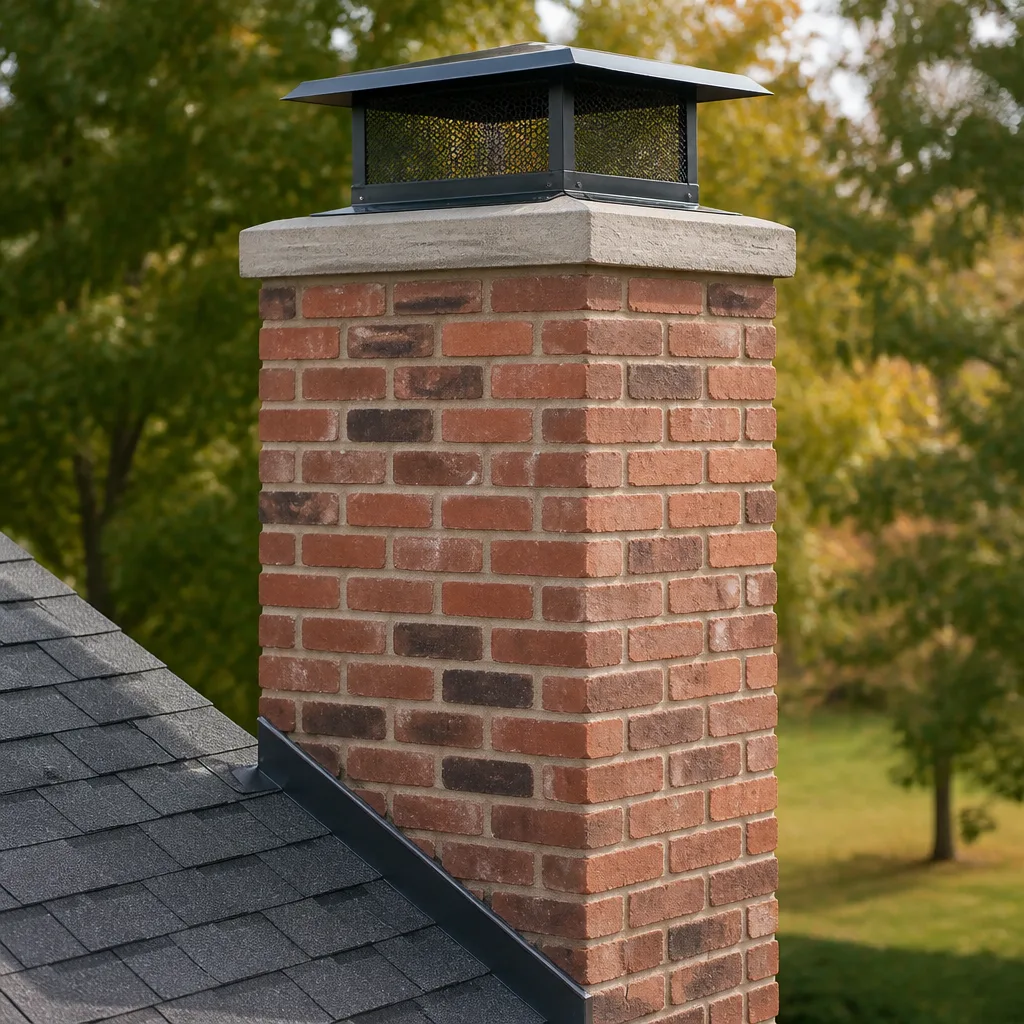 Caps & crowns
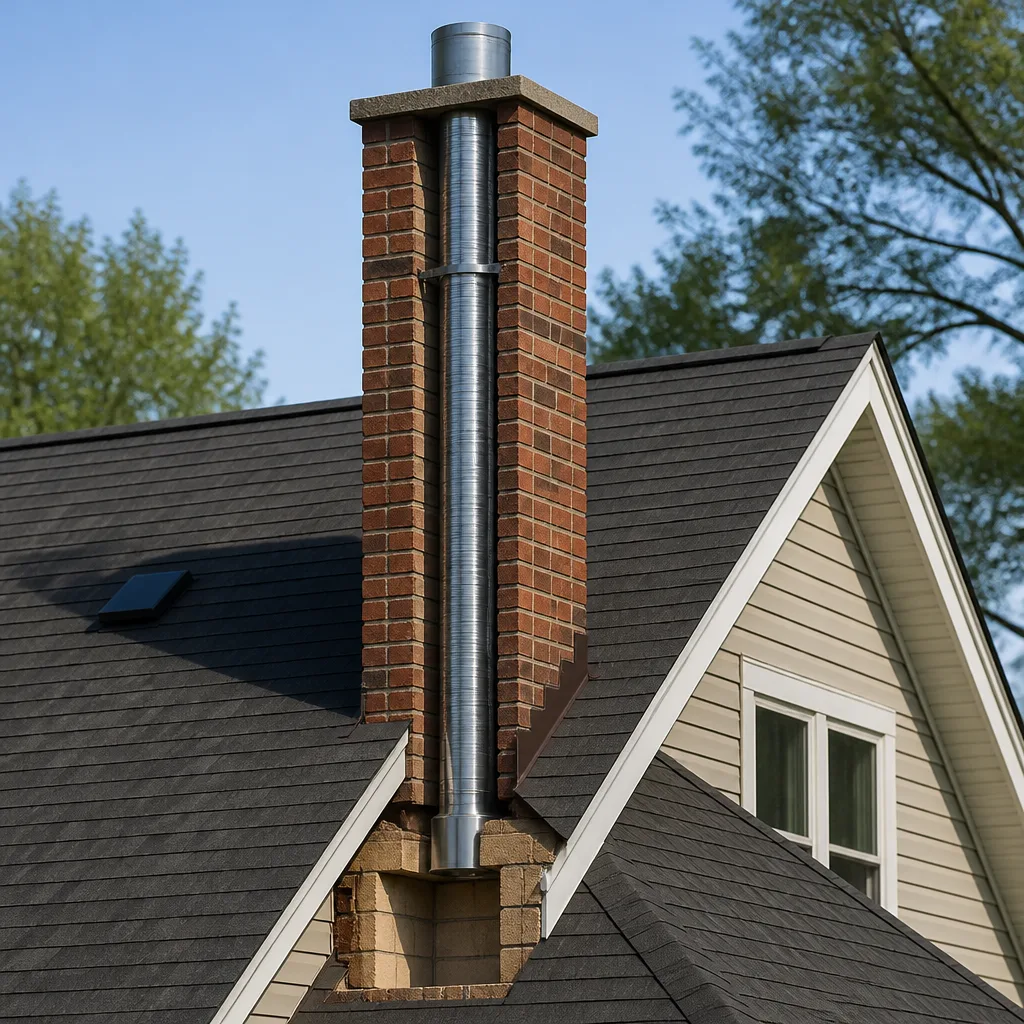 Flue relining
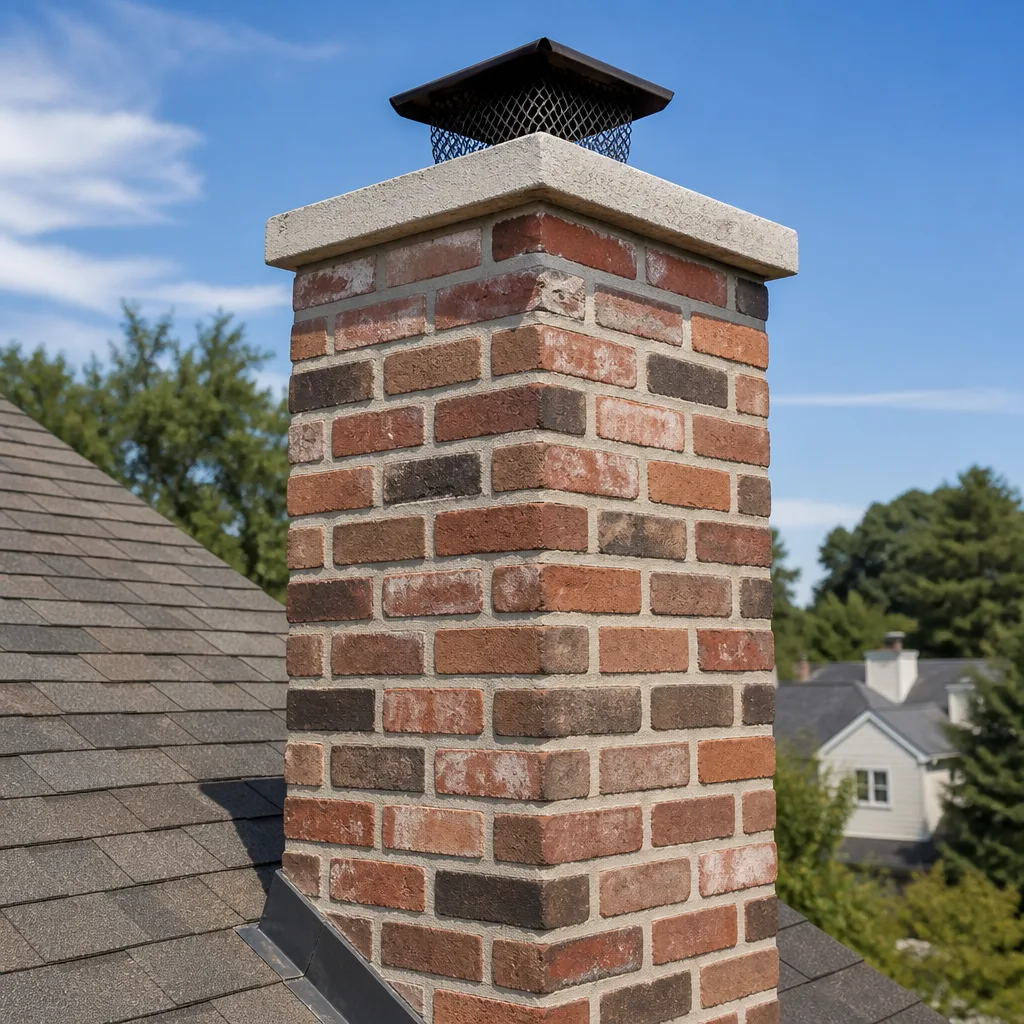 Masonry repair
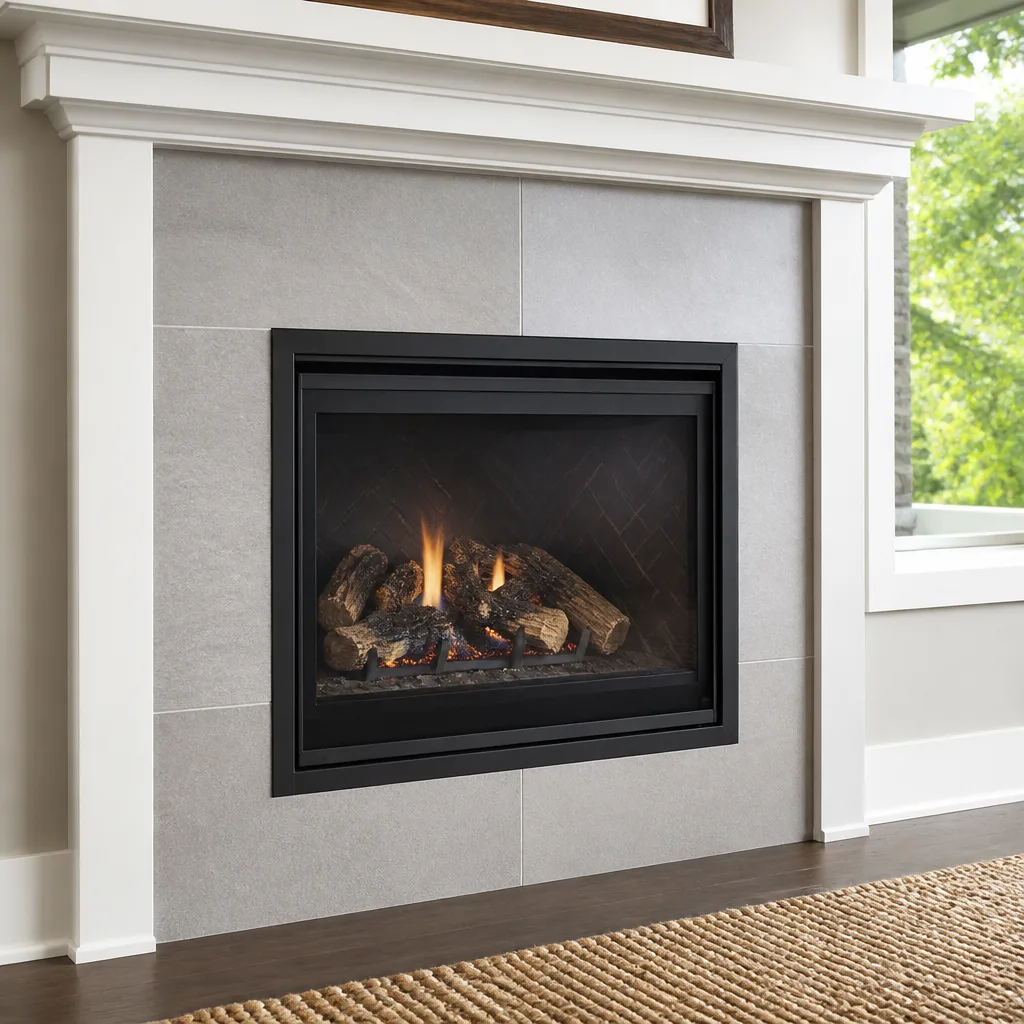 Gas fireplace service
Level 1 sweep and inspection to the NFPA 211 annual standard - flue, crown, cap, and flashing checked and photographed
Chimney sweep logs do not sweep chimneys. They loosen some creosote - which then falls where a brush and vacuum still have to collect it.
Chimney Cleaning Cost Breakdown: The Belmont Cragin Homeowner’s Reference for 2026
Here’s the part nobody in the chimney business says out loud: the $79 sweep special you see advertised across Chicago almost always costs more than the $229 full-service quote by the time the invoice is written. Not because the $229 company is dishonest. Because the $79 company has to make its margin somewhere, and that somewhere is the repair quote that follows the cleaning. The technician arrives, does a basic brushing, then hands you a list of “urgent findings.” In Belmont Cragin, with housing stock dating back to the 1940s and 1950s, that list’s rarely short. This guide—along with our Chimney Cleaning Warning Signs: A Belmont Cragin Homeowner’s Reference Guide—explains what actually drives chimney cleaning and repair pricing in our market in 2026, so you can compare bids on the same scope of work instead of the same headline number.
Styles & brands we work with
Quick Answer
A chimney sweep in Belmont Cragin in 2026 runs $189 to $289 from a reputable full-service company, with a Level 2 camera inspection adding $175 to $350. If a liner repair comes up (and in this neighborhood, they do), expect $2,500 to $6,500 for a DuraFlex stainless liner or $3,000 to $4,500 for HeatShield ceramic resurfacing. The honest total for a first-time visit on an older home commonly lands between $500 and $900 when you include both sweeping and inspection.
Table of Contents
- What Actually Happens During a Chimney Sweep (and What It Costs)
- Level 1 vs. Level 2 Inspections: What the Price Difference Buys You
- Liner Repair Costs: DuraFlex vs. HeatShield Explained
- Why Copperfield Caps and Dampers Cost More Than Off-Brand
- Why Belmont Cragin Housing Stock Shapes Your Chimney Estimate
- How to Compare Two Quotes on the Same Scope of Work
- What Actually Happens If You Skip the Sweep
- Common Mistakes to Avoid
- When to Call a Professional
- Frequently Asked Questions
- The Bottom Line
What Actually Happens During a Chimney Sweep (and What It Costs)
A proper chimney sweep in Belmont Cragin in 2026 costs $189 to $289 at fair市场价格. That price range isn’t a guess; it reflects the labor reality of older masonry chimneys in this part of Chicago. Unlike the newer subdivisions out in DuPage County, most Belmont Cragin homes have brick chimneys that have been absorbing weather since before Eisenhower. Creosote in those flues is often stage-two or stage-three material, not the loose soot a newer fireplace generates. Removal takes longer, and that’s before the technician even starts the inspection portion.
Here’s the line-by-line breakdown of what you should see on a legitimate sweep invoice:
- Flue brushing and creosote removal: $80 to $140. This is the physical work of the sweep. On Belmont Cragin chimneys with older fireboxes and shallow hearths, expect this to take longer than the national average.
- Firebox and smoke chamber cleaning: $40 to $75. Many cut-rate sweeps skip this entirely. It’s where ash and creosote accumulate in older fireplaces that see heavy winter use.
- Smoke shelf and damper area cleaning: $25 to $50. This is the part most homeowners never see, which is exactly why it gets skipped by undercutters.
- Post-sweep visual inspection: $35 to $65. This is the “Level 1” component we’ll cover in the next section. It’s not a camera inspection; it’s an experienced set of eyes checking for evident fire hazards and structural problems.
- Cleanup and disposal of creosote: $15 to $40. Creosote is a hazardous material under Chicago disposal regulations. Companies that haul it off properly have disposal costs.
Add that up and you’re looking at $195 to $370 for the full scope on an older chimney. So when a flyer advertises $79 or $99 sweeps, the math doesn’t work on a Belmont Cragin fireplace unless corners are cut or the loss leader is designed to generate repair revenue. Neither outcome serves you well as a homeowner. A full-服务 provider like Crossroads Chimney Sweep prices the sweep honestly and then does the entire job, including the parts you can’t see from the ground.
Level 1 vs. Level 2 Inspections: What the Price Difference Buys You
If you’ve bought or sold a home in Chicago in the last decade, you’ve probably heard the term “Level 2 chimney inspection.” Real estate transactions in Belmont Cragin nearly always trigger one. But many homeowners don’t understand what separates a Level 1 from a Level 2 inspection, or why the price gap exists. The answer matters, because it’s the single biggest variable in your total chimney service bill.
What a Level 1 Inspection Includes (And What It Costs)
A Level 1 inspection is the standard visit. It includes a visual examination of all readily accessible areas of the chimney and fireplace without special tools or climbing. The sweep looks at the firebox, damper, smoke chamber, flue interior, chimney cap, crown, and the exterior masonry where accessible. It’s appropriate when the chimney is being serviced under the same conditions as the last service, with no changes to the system, appliance, or fuel. At Crossroads Chimney Sweep, a Level 1 inspection is included in the standard sweep price.
In 2026, a standalone Level 1 inspection in the Chicago metro commands $100 to $200 if purchased separately. But most companies, including us, bundle it with the sweep because doing one without the other wastes a visit.
What a Level 2 Inspection Adds (And Why It Costs More)
A Level 2 inspection is a camera-based interior examination of the flue. The technician runs a specialized scanning camera through the chimney and records the video for your records. In Belmont Cragin, after the heavy January usage on decades-old brick, we routinely find what a visual inspection can’t: hairline cracks in clay flue tiles, hidden masonry gaps between flue sections, deteriorating mortar joints that are invisible from the rooftop. The Level 2 is required by code after any chimney fire, any change to the system (new liner, new appliance, new fuel), or any sale of the home; see our Chimney Cleaning Permits, Codes & Inspections in IL: What You Need to Know for details.
The 2026 price for a Level 2 camera inspection in Chicago is $175 to $350. The range depends on chimney height, number of flues, and whether the roof is accessible by ladder or requires scaffolding. On a two-story Belmont Cragin brick bungalow with a steep pitch, you’ll be at the higher end. On a single-story ranch, the lower end. That’s not arbitrary; it’s risk and time.
Here’s the key distinction most homeowners never hear: a Level 1 inspection is an experienced eye. A Level 2 inspection is documentation. If anything is wrong in your flue, only the camera gives you the evidence you need to make a justified repair decision. That’s why any heavy-ticket liner or masonry recommendation should always be accompanied by camera footage you’ve seen with your own eyes. If a company quotes you a $5,000 liner replacement without showing you video, that’s not an inspection. That’s a guess.
Liner Repair Costs: DuraFlex vs. HeatShield Explained
This is the part of the chimney business where prices diverge most dramatically between providers, and it’s the reason we started using named materials in our quotes. A stainless steel liner, a ceramic resurfacing job, or a “reline” can look like the same line item on paper but differ by thousands of dollars depending on the material specified. In Belmont Cragin, where multi-flue chimneys are common, understanding this part of the quote is the difference between paying a fair price and getting upsold.
DuraFlex Stainless Steel Liners: When They’re the Right Call
DuraFlex is a flexible stainless steel liner system designed for masonry chimneys. It’s a recognized industry brand, and it solves a specific problem: the existing clay flue has cracked, separated, or deteriorated to the point where it can no longer safely contain combustion gases. The solution is to insert a continuous stainless steel tube inside the existing flue and connect it to the appliance. No demolition. No brickwork. The old chimney becomes a chase, and the new liner does the work.
In 2026, a DuraFlex liner installation in a typical Belmont Cragin single-flue masonry chimney costs $2,500 to $6,500. That range covers the liner, insulation, connection hardware, mortar seal at the top, and installation labor. The low end is a straight, short run with easy roof access. The high end is a two-story chimney with multiple offsets, a steep roof, or a flue that requires significant prep before the liner can go in.
The advantage of DuraFlex is durability. A properly installed stainless liner lasts 25 to 35 years. It’s the long-play solution for a chimney that will continue to see active use. We also use DuraFlex in factory-built fireplace applications, which many chimney companies don’t offer at all. If your Belmont Cragin home has a prefab fireplace from a 1980s or 1990s remodel, a DuraFlex conversion is often the only way to keep that unit in service code-compliantly.
HeatShield Ceramic Resurfacing: Restore, Don’t Replace
HeatShield is different. Instead of inserting a new liner, HeatShield is a ceramic coating applied to the interior of the existing flue. Think of it as a structural bandage for a flue that’s degrading but not destroyed. The ceramic material is troweled or sprayed onto the flue interior, where it cures into a hard, fire-resistant surface that seals gaps in clay tile joints and restores the structural integrity of the flue.
The price in 2026 for a HeatShield resurfacing job in Chicago runs $3,000 to $4,500, depending on flue length and the number of tiles requiring treatment. Compared to a full DuraFlex liner, that’s sometimes a meaningful savings. But the comparison isn’t just about price; it’s about condition. HeatShield is appropriate when the flue has minor to moderate deterioration but the masonry itself is still fundamentally sound. It’s not appropriate for a flue that’s experienced a chimney fire or suffered major structural cracking. That’s a replacement situation, and a reputable technician will tell you so plainly.
Most chimney companies in the Chicago area don’t offer HeatShield. The training, equipment, and supplier certification are barriers to entry. At Crossroads Chimney Sweep’s chimney repair service, we carry it because restoring an otherwise good flue is often more appropriate for a Belmont Cragin home than ripping out and replacing. The phrase we use is “restore, don’t replace.” It’s not a marketing slogan; it’s a scope recommendation that saves real money when the flue condition supports it.
What the Price Difference Actually Reflects
- Material cost: Stainless steel is more expensive per foot than ceramic coating material, but the ceramic requires more skilled application labor.
- Condition threshold: HeatShield only works on flues that still have structural integrity. If your chimney has severe cracking or evidence of a chimney fire, you’re a liner candidate, not a resurfacing candidate.
- Access and prep: Both methods require the chimney to be cleaned before installation. The prep work is similar, but a stainless liner often requires removal of the old damper and modification of the smoke shelf, which adds labor.
- Warranty structure: HeatShield carries its own warranty tiers depending on the application, and DuraFlex liners carry manufacturer warranties as well. A legitimate contractor should be able to show you the warranty terms before you commit.
The honest message is simple: both materials are excellent, and neither is the universal right answer. You should only choose between them after a camera inspection shows the actual condition of your flue. Any company that recommends one or the other before seeing the inside of your chimney is selling you a material, not a solution.
Why Copperfield Caps and Dampers Cost More Than Off-Brand
Every chimney needs a cap and a damper. Somewhere along the line, homeowners started treating these as afterthoughts, and that’s exactly where the low-bid chimney companies found room to cut. It’s not uncommon in Belmont Cragin to find chimneys topped with whatever galvanized cap was cheapest at the supply yard. The difference between that cap and a Copperfield unit is the same order of magnitude as the difference between a Chicago January and a Miami January: both are weather, but only one tests your house.
Copperfield manufactures caps and dampers with heavier-gauge stainless steel, welded seams, and hardware that resists the thermal cycling our springs and autumns generate. A cheap galvanized cap in Chicago’s climate starts rusting through in three to five years. You’ll know it’s failing when you see rust streaks down your chimney brick, or when rain starts finding its way into your firebox during storms. By that point, you’re paying for the cap twice: once for the cheap one, once for the repair of the water damage it failed to prevent.
In 2026, a quality Copperfield chimney cap installed on a Belmont Cragin chimney costs $180 to $450, depending on flue size and whether it’s a standard cap or a multi-flue unit. A replacement top-sealing damper from Copperfield runs $400 to $800 installed. The off-brand equivalents might save you $60 to $150 upfront. We install Copperfield because the five-year math doesn’t work on the cheap stuff, especially not in a climate that freezes and thaws thirty times a winter.
Here’s what that lifespan difference justifies: a Copperfield cap in Chicago typically lasts 20 to 25 years. A big-box galvanized cap lasts four to seven years before rust compromises the mounting hardware. When the hardware fails, the cap becomes a projectile in a strong windstorm, and now you’re paying for a new cap plus roof repair. That’s the part the cheap quote never includes.
Why Belmont Cragin Housing Stock Shapes Your Chimney Estimate
Belmont Cragin is not Naperville. It’s not even Lincoln Park. The housing stock here was built largely between 1910 and 1955, and the chimneys reflect that. If a national chimney franchise quotes you a price based on “average” chimney conditions, they’re not pricing your chimney. They’re pricing some hypothetical national average that doesn’t exist on your block. Here’s what actually shows up in our estimates for this neighborhood.
The Multi-Flue Reality
A significant portion of Belmont Cragin homes have two flues: one for the fireplace, one for the furnace or water heater. That’s a pre-1960s construction pattern that has mostly disappeared in newer suburbs. Two flues mean two things to check, two places for deterioration, and often two different liner configurations. A single-flue quote is meaningless on a two-flue chimney. If a company quotes you without asking how many flues you have, they’re guessing.
Tuckpointing and Masonry Interface
Belmont Cragin brick endures more freeze-thaw cycling than most of the country because of our winters. Mortar joints crack, and when they do, water gets into the brick and accelerates the damage. It’s not uncommon for us to recommend tuckpointing (repointing of the mortar joints) as part of a comprehensive chimney service, especially on the upper sections of the chimney above the roofline where exposure is worst. In 2026, tuckpointing on a Belmont Cragin chimney runs $800 to $2,500 depending on how much of the stack needs work. It’s not a chimney sweep’s upsell; it’s basic masonry preservation. Skipping it means you’ll be replacing brick in a few years, and that’s a far bigger line item.
Gas Insert Venting Configurations
Many Belmont Cragin homes have converted from wood-burning to gas inserts over the years, often during the 1990s and 2000s remodel wave. Those conversions frequently involved running a flexible metal vent through the existing masonry flue. If that vent was installed correctly, it’s fine. If it was installed by a handyman with a drill and optimism, it’s often undersized, improperly terminated, or leaking combustion gases into the chase. A proper camera inspection during your chimney service will show this. We’ve found enough improperly vented gas inserts in this neighborhood to say plainly: if you didn’t see the installation yourself, have it inspected.
How to Compare Two Quotes on the Same Scope of Work
You’ve got two written estimates. They both say “chimney sweep.” One is $149, one is $289. Are they the same service? In Belmont Cragin in 2026, the answer is almost certainly no. Here’s how to line them up item by item and see the actual differences.
- Ask for line items, not a lump sum. A quote that says “chimney service: $149” tells you nothing. You want sweeping, inspection level, any liner work, cap replacement, masonry, and hauling separated out. If a company won’t provide line items, that’s a red flag. A legitimate provider will break it down.
- Match the inspection level. One quote includes a Level 1 visual inspection. The other includes a Level 2 camera inspection. These are different services with different prices, and they produce different information. If you want to know the actual condition of your flue (and you should), only one of these gives you that answer. The Level 1 quote isn’t “cheaper”; it’s a different product.
- Look for the missing smoke chamber. The smoke chamber is the area above the firebox where the smoke funnels into the flue. It’s notoriously prone to creosote buildup in older fireplaces, and it’s exactly what cut-rate sweep specials skip. If the quote doesn’t mention the smoke chamber, ask whether it’s included. If the answer is no, the quote isn’t comparable to one that includes it.
- Check for liner brand names. If a quote includes liner work, it should specify the material: DuraFlex stainless, HeatShield ceramic, or a generic “stainless liner” with no brand. Generic stainless can be fine, but it can also be thin-gauge coil stock from a big-box shelf. Branded materials mean the installer has a supplier relationship and the product carries a manufacturer warranty. Ask for the brand.
- Watch for the cap omission. This one shows up constantly. The quote includes sweeping and a liner recommendation, but no chimney cap. In Belmont Cragin, running a chimney without a proper cap is an open invitation to rain, snow, and raccoons. If one quote includes cap work and the other doesn’t, they’re not priced for the same outcome. Ask why it’s missing.
The broader point: the cheapest quote is rarely the cheapest outcome. It’s a starting bid. The final invoice comes later, after the findings. The full-service quote is priced for the job as it actually is. That’s not always the comfortable answer, but it’s the one that keeps your total cost predictable.
What Actually Happens If You Skip the Sweep
Here’s the scenario we see repeatedly in Belmont Cragin. A homeowner buys a house in 2018, uses the fireplace for a few winters, and then just… stops. Maybe they stop using the fireplace entirely and rely on the furnace. Maybe they keep using it but never call anyone because “it’s been fine.” The chimney gets moved to the bottom of the home maintenance list, below the gutter cleaning and the water heater flush. Then something happens.
The something is usually one of three things:
- Stage-three creosote ignition: Creosote isn’t one substance; it’s a range of deposits. Stage one is fluffy soot that brushes away. Stage three is a hardened, tar-like coating that’s highly flammable. In Belmont Cragin chimneys that haven’t been swept in three or more years, we routinely find stage-three material. That’s chimney fire fuel. A chimney fire can crack the flue, damage the masonry, and in the worst case, spread into the house framing. In 2026, the average chimney fire in Chicago causes $6,000 to $15,000 in damage, and that’s when the fire department gets there in time.
- Hidden liner deterioration: A cracked flue liner doesn’t announce itself. There’s no noise, no smell, no visible sign from the living room. It’s found during a camera inspection or after it’s already caused a problem. The problem it causes is combustion gas leakage into the chimney chase and potentially into living space. Carbon monoxide is odorless and colorless. The first sign of a problem is often a CO detector going off, and by then, you’re already in the danger window.
- Water intrusion and freeze damage: A missing or failed cap lets Chicago rain and snow into the flue. The water mixes with creosote, the mixture is acidic, and it eats the mortar joints from the inside. When the temperature drops, the water in the brick freezes and expands. Over the course of a few winters, this cycle can crack the exterior chimney masonry and cause structural deterioration that requires extensive, expensive repair. By the time you see the cracking, the damage has been accruing for years.
- Hiring on a flyer price without reading the scope. The $79 special in Belmont Cragin is a loss leader designed to produce repair quotes. You’ll either get a bare-minimum cleaning or a fear-based sales pitch, and neither serves you. Ask for the full scope in writing before you book.
- Comparing a Level 1 and Level 2 inspection as if they’re the same product. They’re not. A Level 1 is a trained eye. A Level 2 is camera evidence. On a home you plan to live in for years, the Level 2 is the one that actually tells you something.
- Accepting a liner quote without seeing camera footage. Any legitimate flue repair recommendation comes with video evidence. If a company wants $5,000 from you and can’t show you why, get a second opinion. At Crossroads Chimney Sweep, we never recommend liner work without camera documentation you can see for yourself.
- Neglecting the chimney cap. This is the single most preventable source of chimney damage in Chicago’s climate. A $300 Copperfield cap prevents thousands in water damage. Skipping it to save money now is borrowing trouble at high interest.
- Trusting a handyman to do a chimney sweep’s job. Chimney work is not general handyman work. It requires training, specialized tools, and knowledge of fire codes and venting requirements. We regularly follow handyman “cleanings” and find damage that was missed or, worse, damage that was caused. Hire a chimney specialist.
- Waiting for a problem to schedule a sweep. A chimney that’s working fine still needs inspection. Creosote accumulates in a working chimney by definition. The time to find stage-three creosote is before it ignites, not after the fire and the resulting liner repair bill.
- Ignoring the smoke chamber. If your sweep doesn’t clean the smoke chamber, they haven’t fully cleaned your chimney. This area accumulates creosote faster than anywhere else due to airflow patterns, and it’s a prime ignition point. Ask specifically whether it’s included.
None of this is intended to scare you into a sweep every week. A properly maintained chimney in a typical Belmont Cragin home needs sweeping every one to two years, and a camera inspection any time you change appliances, change fuels, notice unusual odors or smoking, or buy or sell the home. The cost of that maintenance is a fraction of the cost of ignoring it. Fire safety starts in the flue. It’s not a slogan. It’s the cheapest insurance you can buy.
Common Mistakes to Avoid
When to Call a Professional
You should call a chimney professional anytime you notice these specific conditions: smoke backing up into the room instead of drafting properly, a strong campfire-like odor from the fireplace even when it’s cold, water stains on the ceiling around the chimney, visible crumbling or cracking of the exterior brick, rust on the damper or firebox, or any animal scent or nesting material in the flue. Also, any time you buy a home, change the appliance connected to the chimney, change fuel types, or experience a chimney fire (however small), a professional inspection is warranted. If you’re unsure, call and describe what you’re seeing. Crossroads Chimney Sweep’s Belmont Cragin chimney sweep service covers the full scope of inspection and cleaning, and we tell you plainly when work can safely wait. Crossroads Chimney Sweep offers free estimates in Belmont Cragin – call (877) 265-6720.
Frequently Asked Questions
A full-service chimney sweep in Belmont Cragin costs $189 to $289 in 2026, with a Level 2 camera inspection adding $175 to $350 depending on roof access and flue configuration. Flyer-bait prices like $79 or $99 generally cover only a basic brushing and generate a repair quote list rather than a complete cleaning. For an older Belmont Cragin chimney with two flues, budget for the higher end of the range. Call (877) 265-6720 for an exact quote with no hidden line items.
A Level 1 inspection is a visual examination of the accessible parts of your chimney system and is included in a standard sweep, while a Level 2 inspection uses a specialized camera to document the entire flue interior and is required after a chimney fire, appliance change, or real estate transaction. In Belmont Cragin, we recommend a Level 2 for any home you’ve owned for more than two years without a prior camera inspection. The camera is the difference between a guess and a documented finding.
Most wood-burning fireplaces in the Chicago area need sweeping every one to two years, depending on usage frequency and wood quality. If you burn daily through the winter or use unseasoned wood, you’re looking at annual service. Gas fireplaces and inserts need less frequent sweeping but still require regular inspection of the venting and connection. The National Fire Protection Association recommends annual inspection regardless of fuel type. For most Belmont Cragin homeowners, a yearly sweep keeps creosote levels safe and catches small problems before they become big ones.
You need a new liner only if the camera inspection shows cracked clay tiles, deteriorated mortar joints between flue sections, or significant flue damage. If a company recommends liner work without showing you video evidence of the damage, get a second opinion. A legitimate contractor documents the finding, explains the exact nature of the problem, and gives you options. For flues with moderate damage, HeatShield ceramic resurfacing can restore the flue without a full replacement, and for severely damaged flues, a DuraFlex stainless liner is the right call. Neither should be recommended without documentation. We’ll show you the footage before we quote the repair.
In Chicago’s climate, yes. A Copperfield stainless cap lasts 20 to 25 years and withstands freeze-thaw cycles that destroy galvanized caps in four to seven years. The cheap cap rusts through, fails at the mounting hardware, and then you’re paying for a second cap plus whatever water damage the failed cap allowed into your chimney. The $300 cap is cheaper over ten years than the $80 cap, every single time. That’s the math we’ve watched play out on hundreds of Belmont Cragin rooftops.
One company can handle both. Dryer vent cleaning in Belmont Cragin is a related fire-risk service that Crossroads Chimney Sweep offers under the same roof as chimney sweeping and repair. Dryer lint is a leading cause of house fires in the U.S., and the venting system that carries it shares the same principle as your chimney: airflow matters, and blocked airflow is dangerous. We clean chimneys, dryer vents, and complete the full ventilation picture. Call (877) 265-6720 and schedule both in a single visit.
The Bottom Line
A proper chimney service in Belmont Cragin costs more than a coupon price, but less than the damage you’ll eventually pay for if you choose the coupon. Budget $189 to $289 for the sweep, $175 to $350 for the Level 2 camera inspection, and understand that liner work on our older housing stock, when genuinely needed, will cost $2,500 to $6,500 depending on the material and scope. Get line items, demand camera evidence before liner work, and compare quotes by what’s included, not by what’s advertised. A full-service chimney specialist will show you exactly what’s in your flue and charge you for the work that’s actually needed, not the work that sounds urgent. For more guides & resources, visit our blog, or if you’re in Belmont Cragin and want a clear, documented answer about your chimney, call (877) 265-6720. We’ll put a camera in your flue and show you what we see before we recommend anything.
Written by the team at Crossroads Chimney Sweep, serving Belmont Cragin since 2014.
See the difference
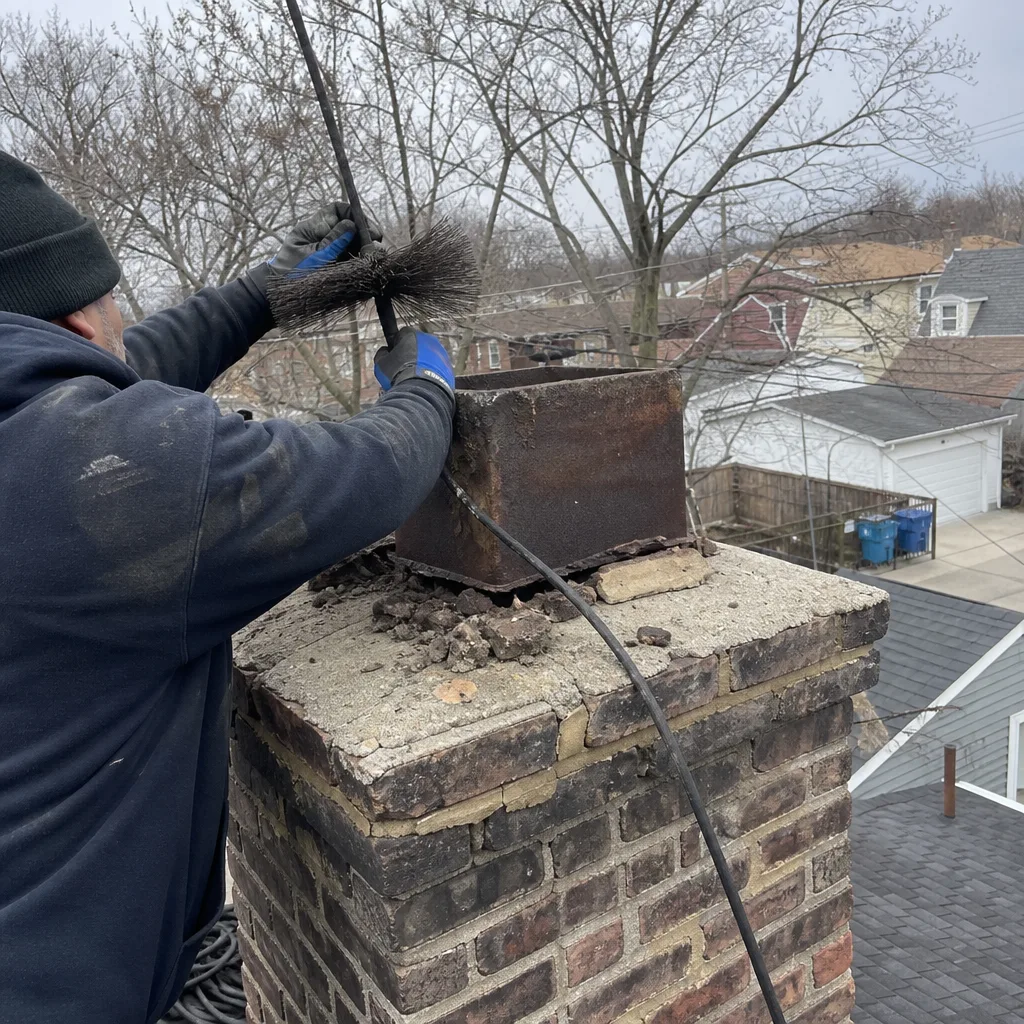 Before
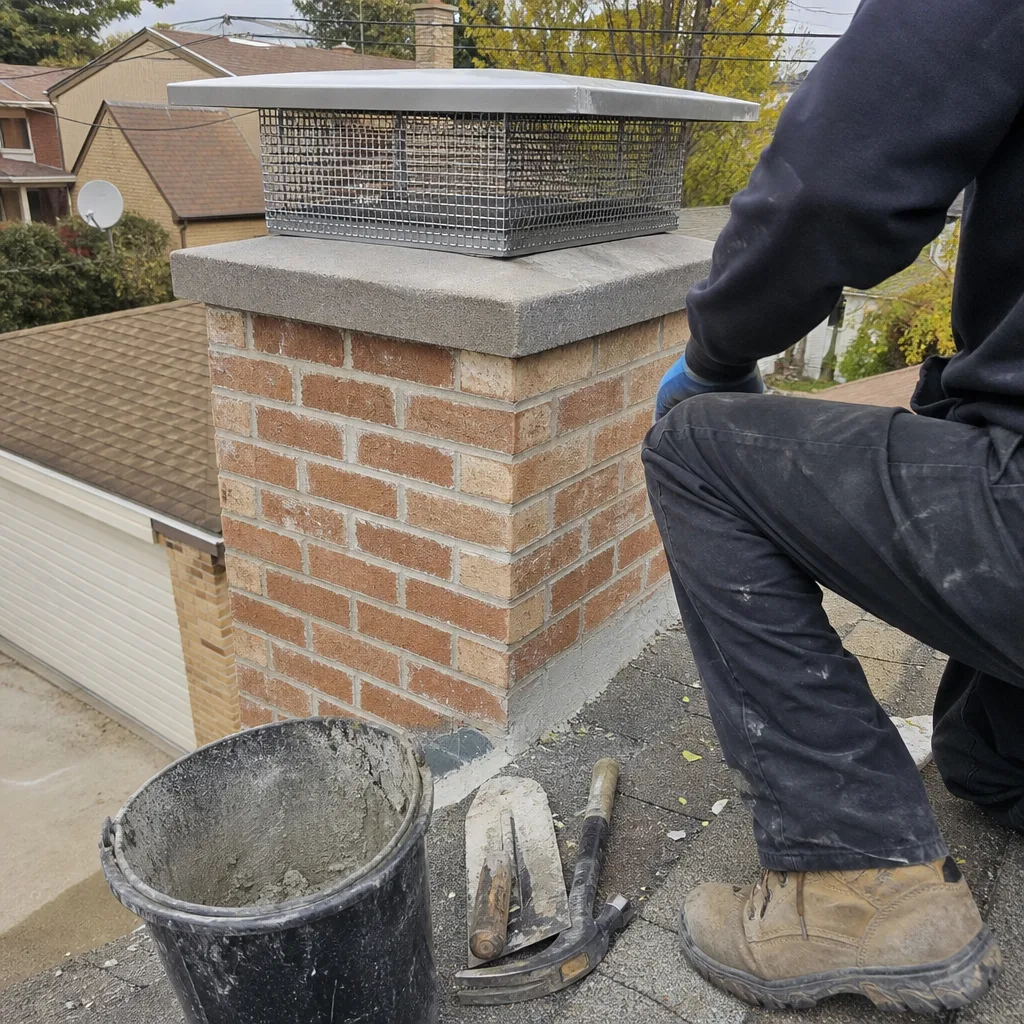 After
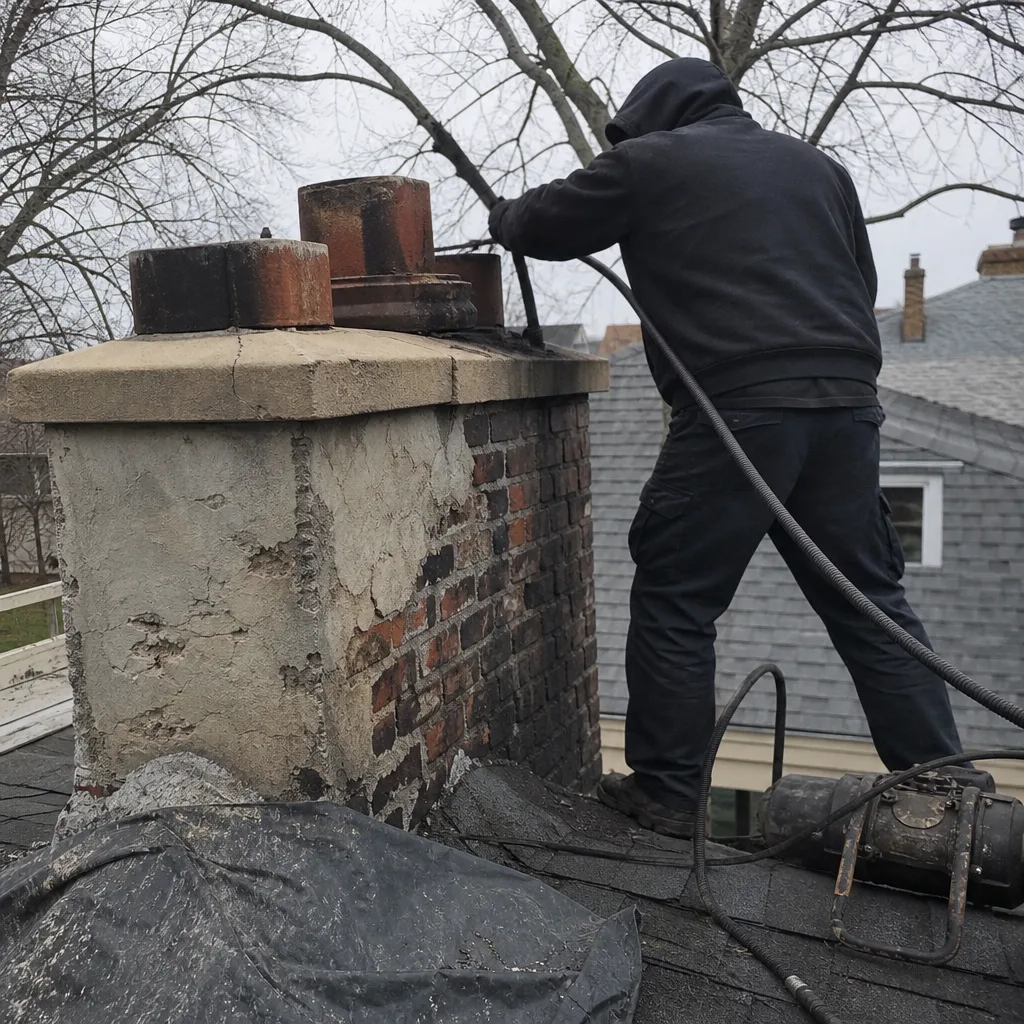 Before
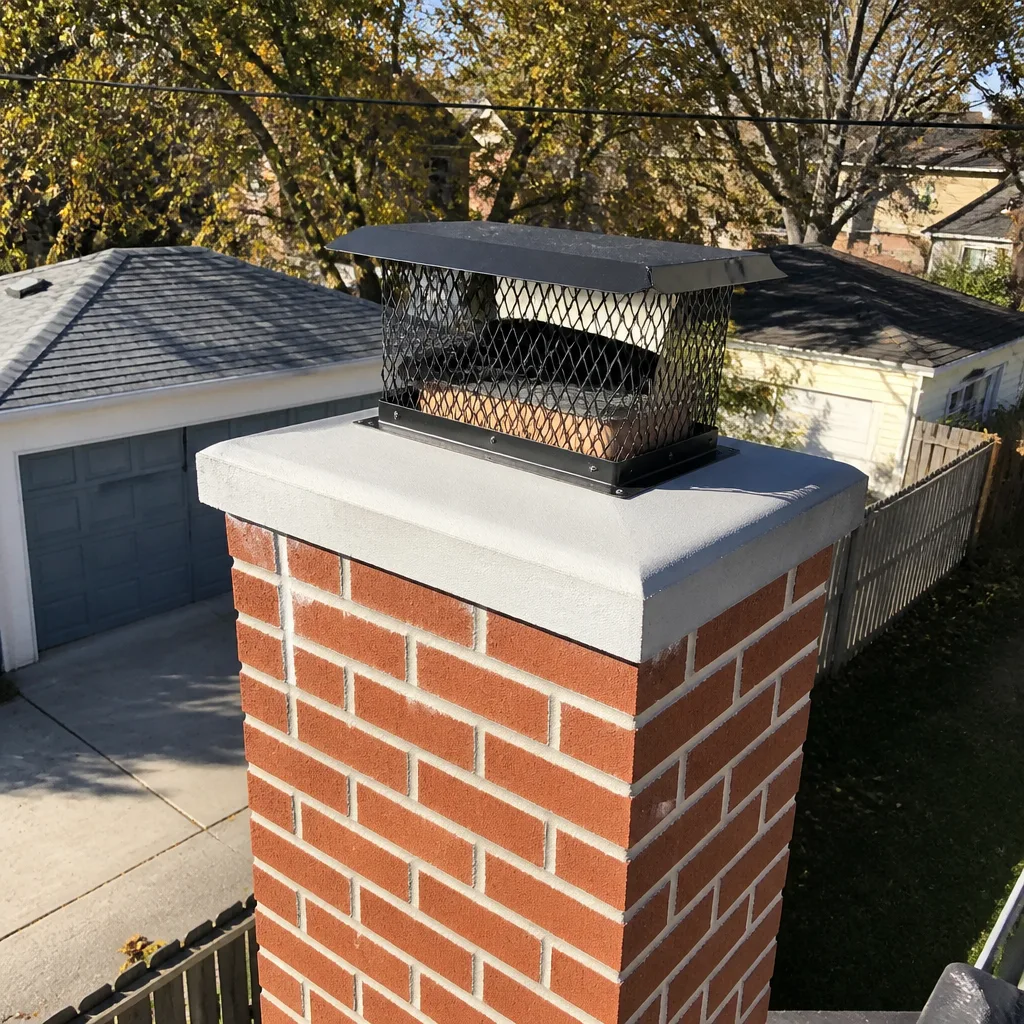 After
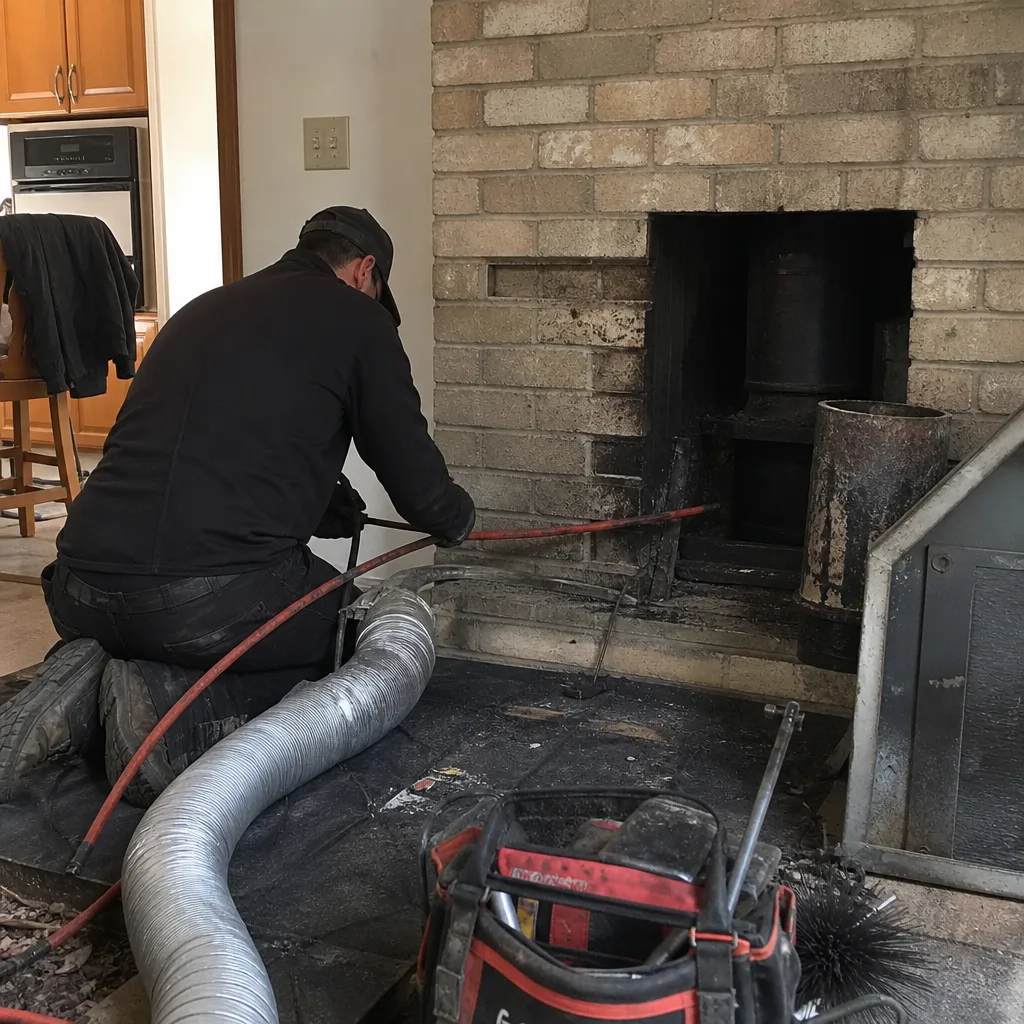 Before
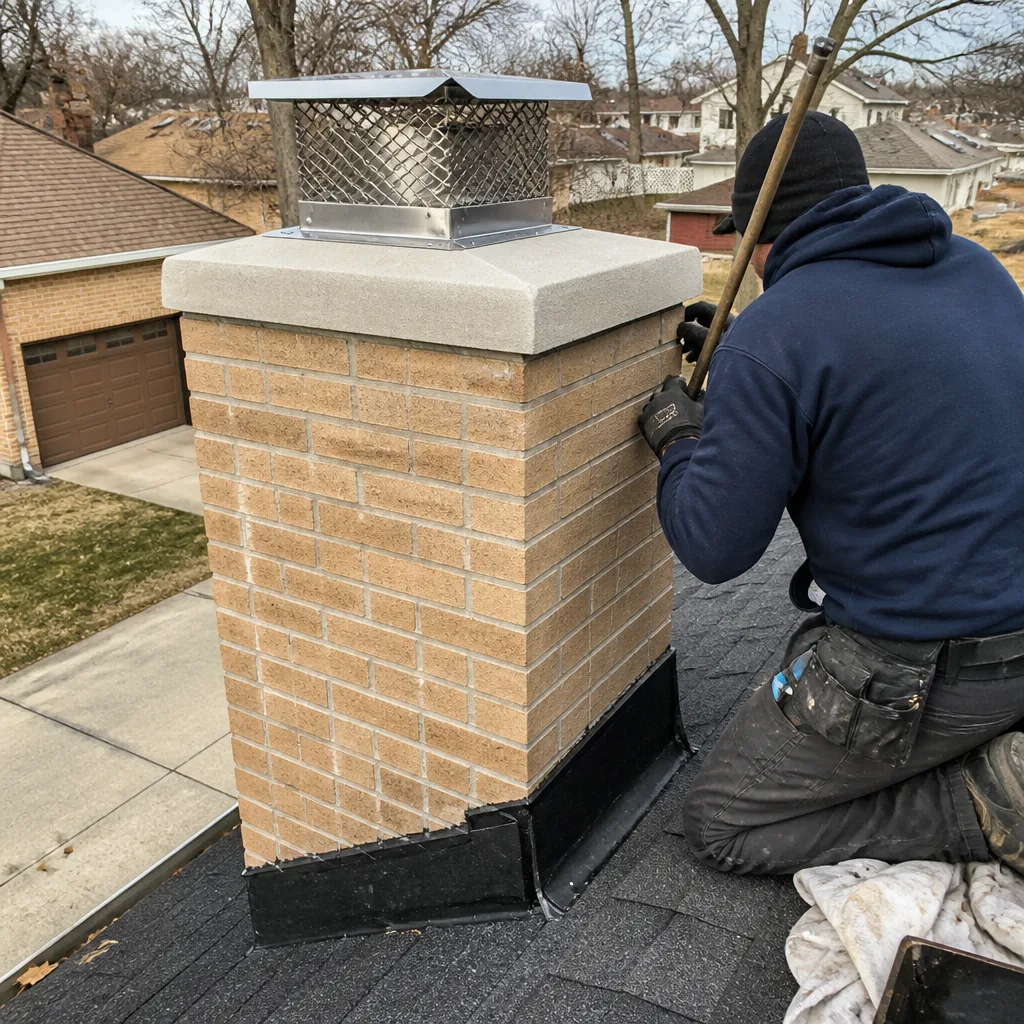 After