
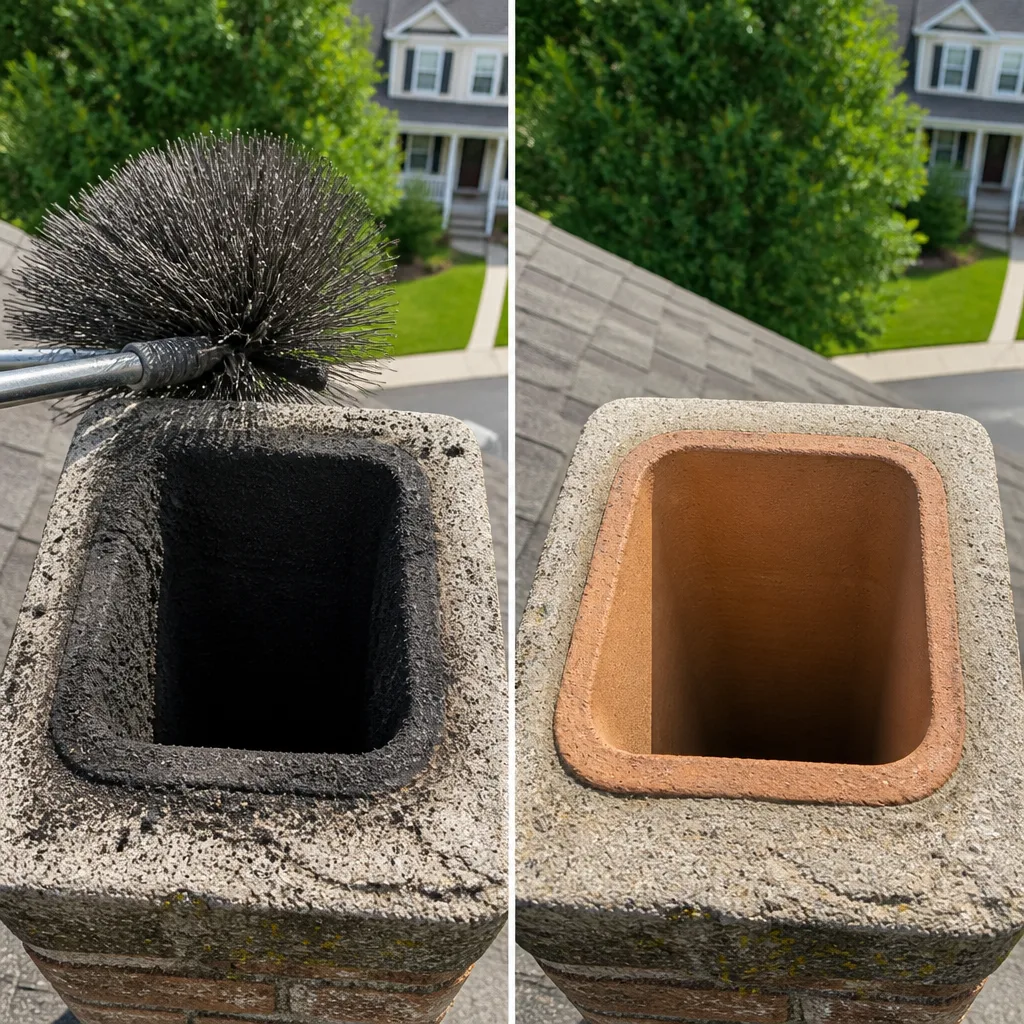
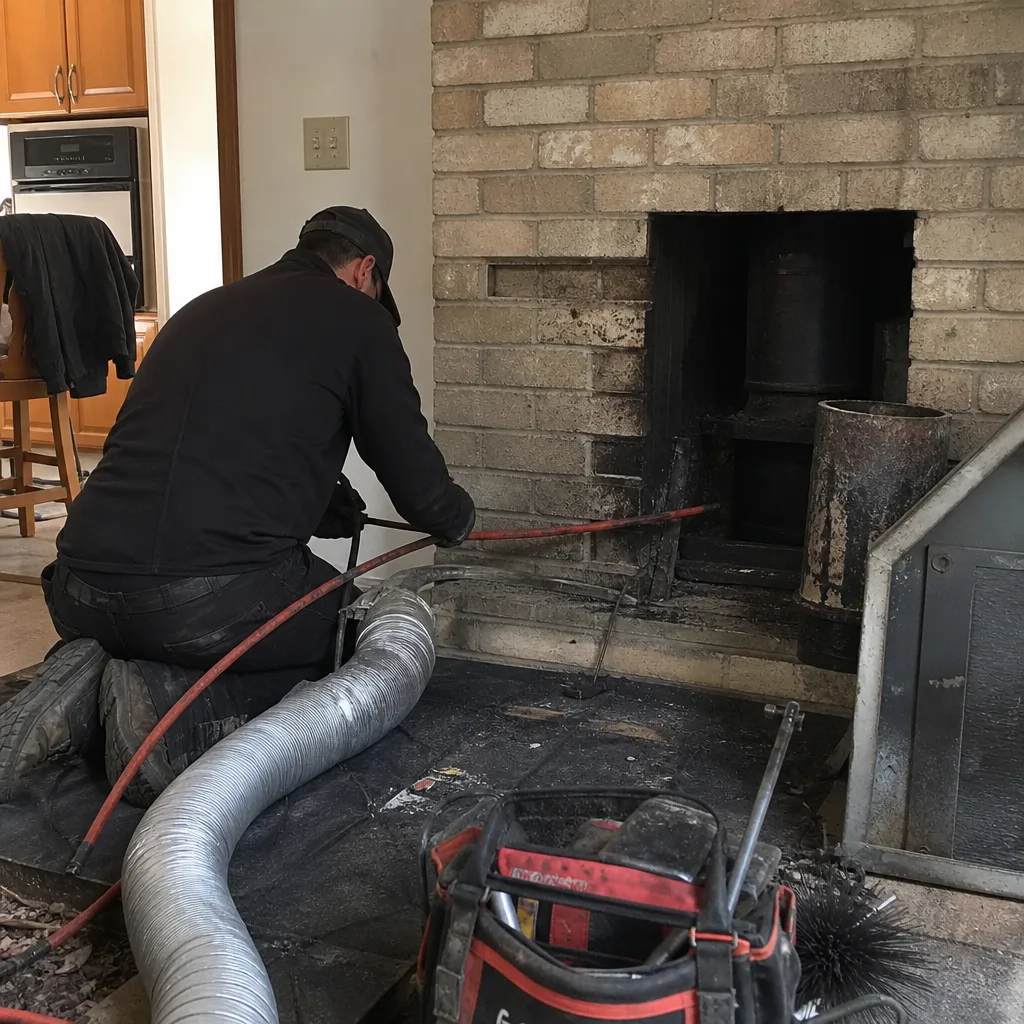
 Sweep & inspection
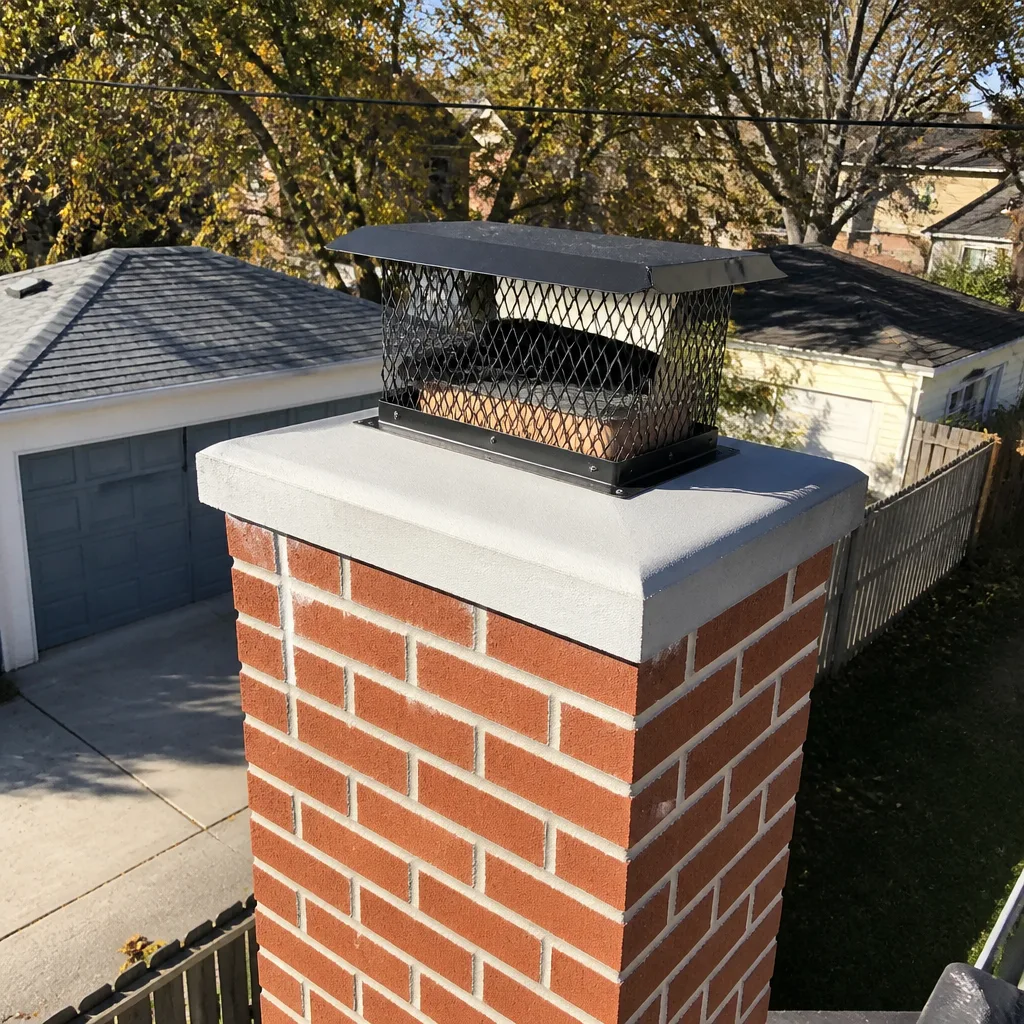
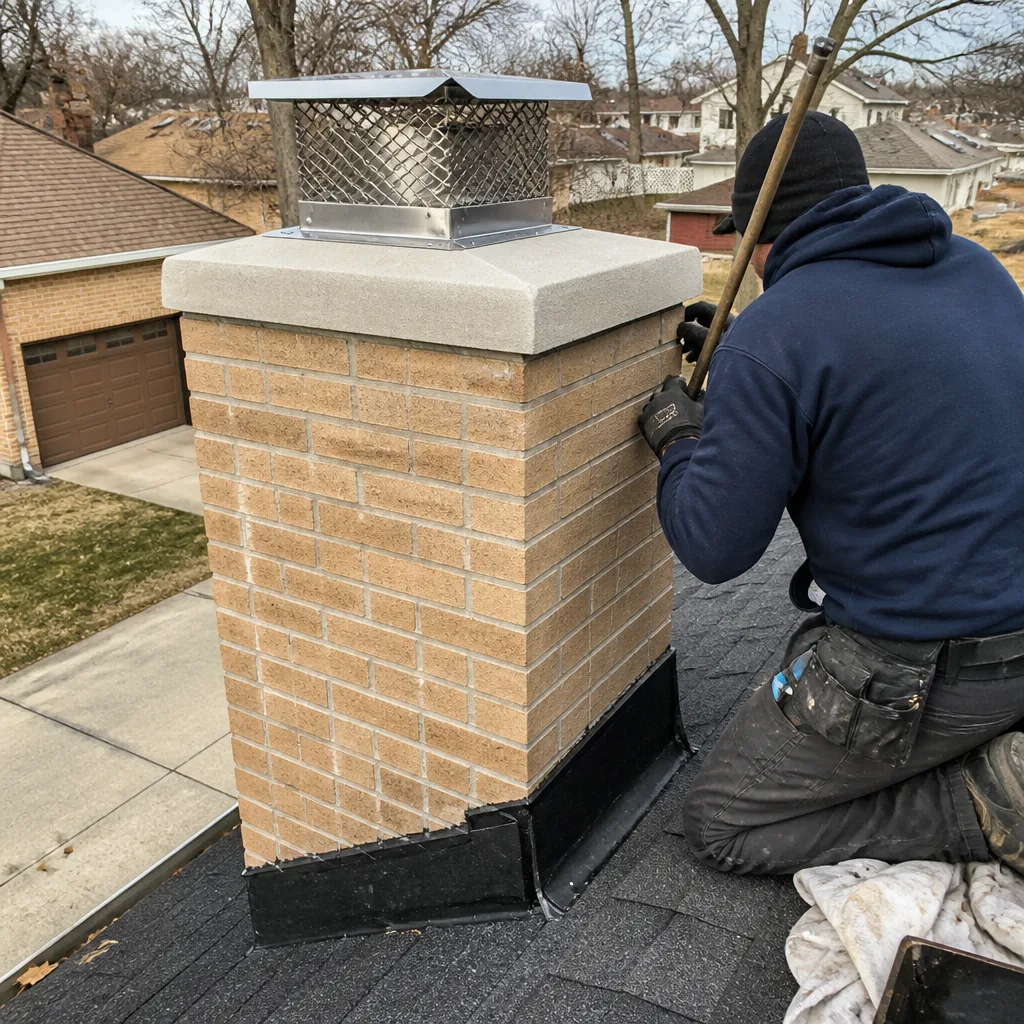
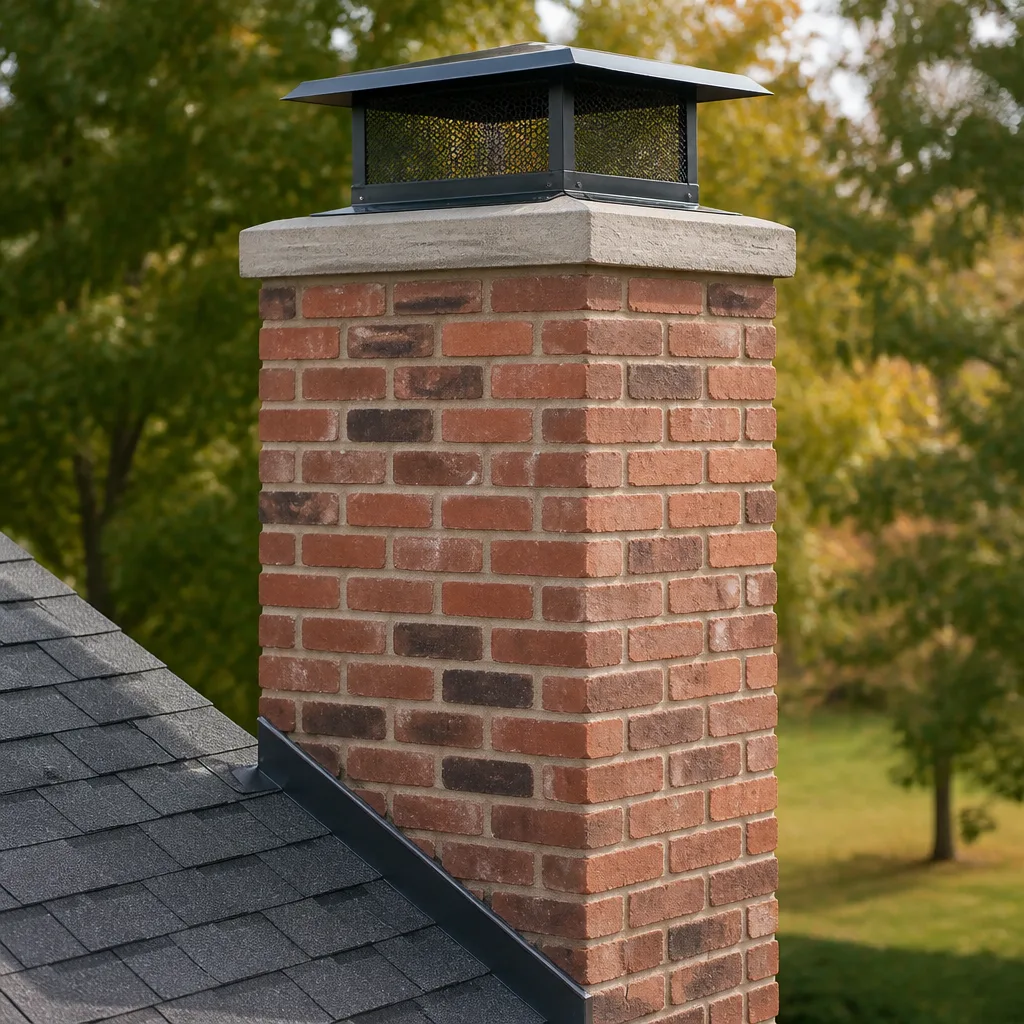 Caps & crowns
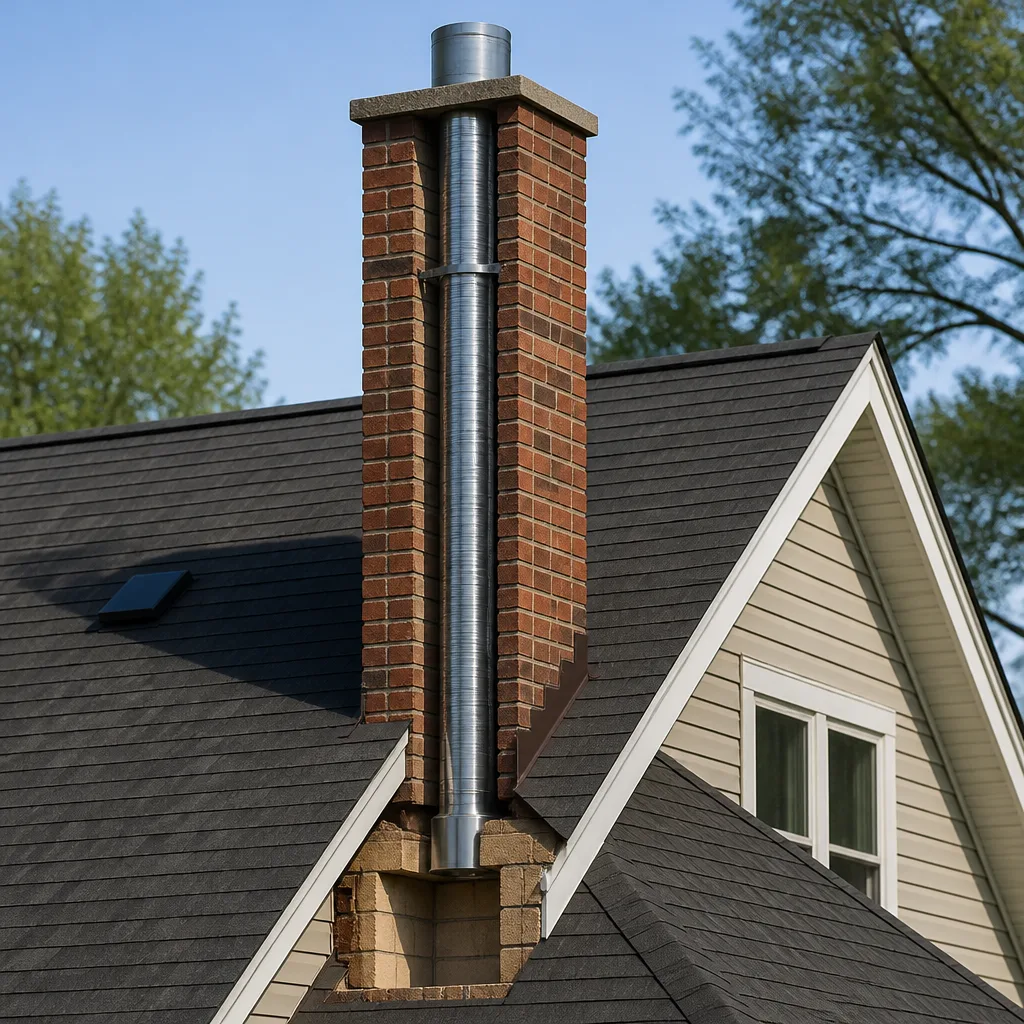 Flue relining
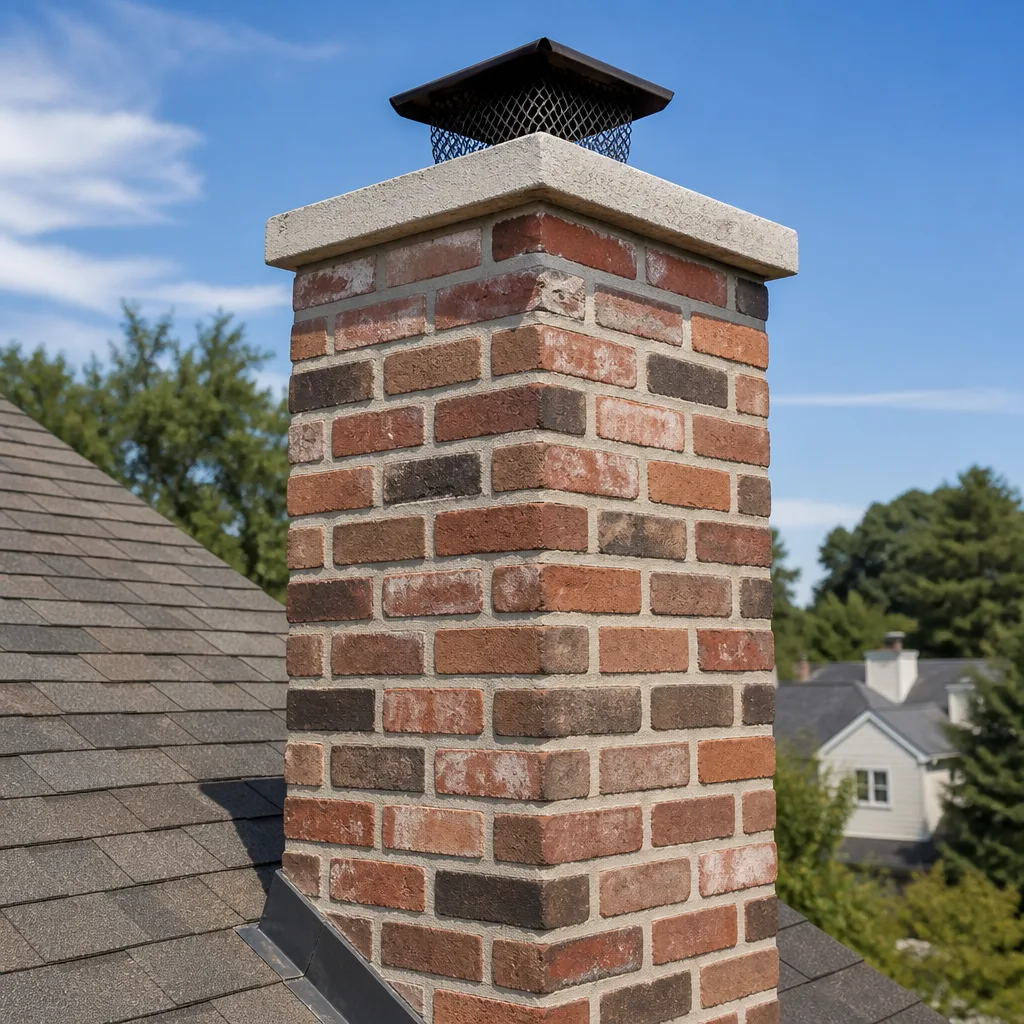 Masonry repair
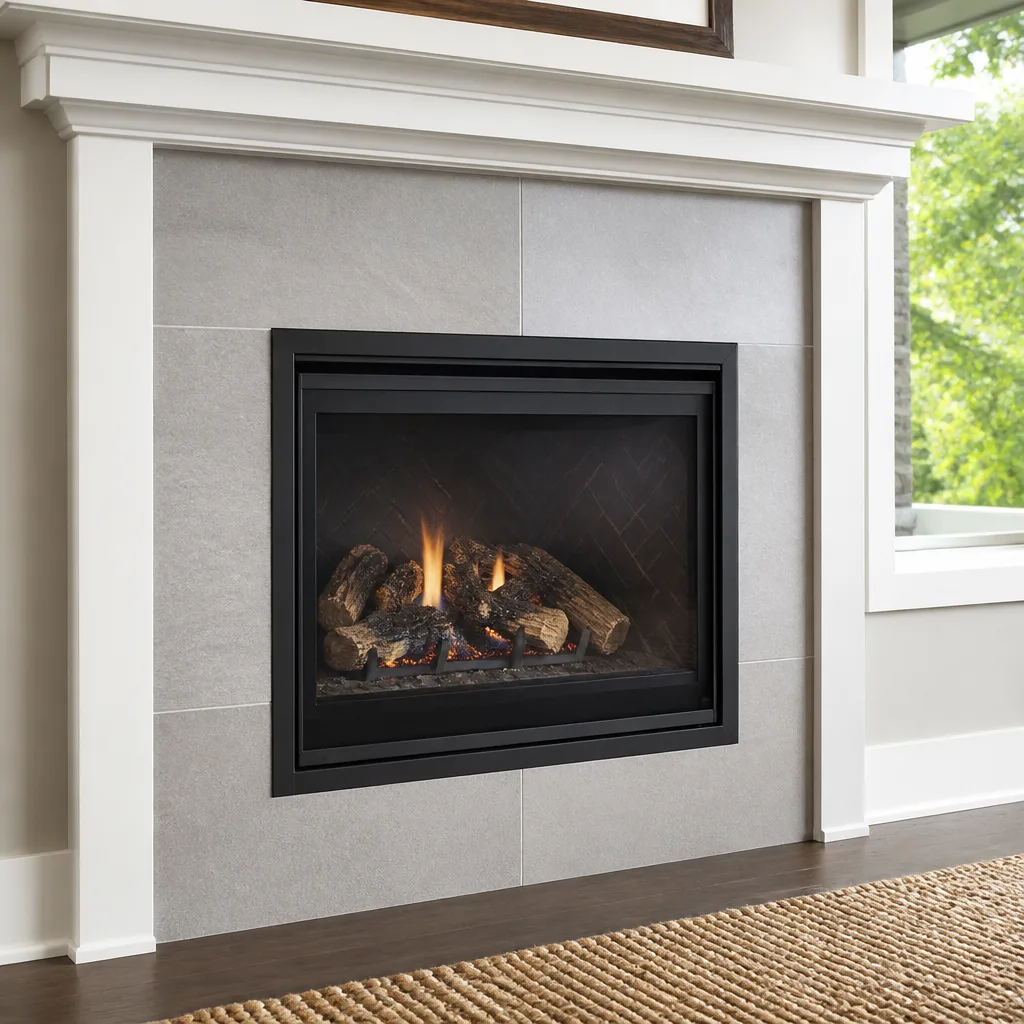 Gas fireplace service
Level 1 sweep and inspection to the NFPA 211 annual standard - flue, crown, cap, and flashing checked and photographed
Chimney sweep logs do not sweep chimneys. They loosen some creosote - which then falls where a brush and vacuum still have to collect it.
Why Belmont Cragin Homeowners Choose HeatShield Chimney Cleaning
We provide HeatShield repair in Belmont Cragin, including chimney cleaning, inspection, and firebox resurfacing service, and our approach differs from a standard sweep in one key way: we don’t just brush the flue, we evaluate the refractory surfaces that keep your firebox safe. HeatShield is a castable ceramic resurfacing system applied to masonry fireboxes and prefabricated firebox panels, and our technicians have worked with it in Belmont Cragin’s 1920s bungalows long enough to know when a coat is sound, when it’s failing, and when the brick underneath can’t support another application. We’re an independent service provider, not a HeatShield-authorized installer, which means our recommendations are based on what we see in your firebox, not on moving product. Call us at (877) 265-6720 for a HeatShield evaluation and sweep.
Why Trust Crossroads Chimney Sweep for Your HeatShield Chimney Cleaning?
HeatShield work lives or dies on surface preparation. The product itself is a high-temperature refractory that’s mixed on site and troweled or cast onto firebox walls and floors, and a technician who doesn’t understand substrate condition will produce a coat that flakes off within a season or two. Our crews have repaired, evaluated, and prepped HeatShield-coated fireboxes across Belmont Cragin for years, and we know what good adhesion looks like: a properly keyed, clean, moisture-free masonry face with the right profile and cure schedule. We also know what failure looks like, because we’ve pulled sheets of delaminated refractory off firebox walls that were coated over soot or old paint. Norm Szczepanski, our owner, grew up a few blocks from Kosciuszko Park and has been working chimneys in this part of Chicago for going on two decades. He trained through the building trades programs at Triton College in River Grove and spent years on century-old brick fireboxes and modern zero-clearance inserts before starting Crossroads Chimney Sweep. When we evaluate a HeatShield firebox, we’re checking the same things Norm would check on his own fireplace: adhesion, thickness, crack bridging, and whether the coating is doing what it was installed to do.
We’re not affiliated with or authorized by HeatShield, and we tell customers that plainly. What we offer is hands-on familiarity with the product’s behavior in Chicago’s climate, which matters because freeze-thaw cycles in Belmont Cragin stress firebox masonry differently than in milder regions. If your HeatShield coat is sound, we clean around it carefully and confirm it’s still bonded. If it’s failing, we explain exactly what we found and what a proper repair involves before any money changes hands.
Styles & brands we work with
Common HeatShield Chimney Cleaning Problems We Fix in Belmont Cragin
HeatShield is a proven material, but it’s only as good as the prep and application behind it. Here are the issues we see most often in Belmont Cragin homes, particularly in the 1910s-to-1940s brick bungalows and two-flats that dominate the neighborhood:
- Delamination over contaminated firebox surfaces. The most common failure we find is a HeatShield coat that’s peeling away in sheets because it was applied over a sooty, oily, or damp firebox face. The refractory never bonds properly, and within a year or two it starts spalling off. A clean flue isn’t a luxury – it’s just how the thing is supposed to work. Our repair starts with removing the loose material, cleaning the substrate back to sound masonry, and re-keying the surface before recasting.
- Grit shedding into gas pilots and logsets. HeatShield that was applied too thin, or that never received the specified cure burn-in, develops a chalky surface that sheds fine grit. In Belmont Cragin bungalows with gas log sets inside HeatShield-resurfaced fireboxes, that grit drifts into the pilot assembly, causes lazy flames, and eventually fouls the thermocouple. We’ve resolved this on multiple service calls where the homeowner thought the gas logset was failing and the real culprit was a soft refractory coat above it.
- Crack bridging over expansion joints and damper frames. When HeatShield is troweled over an existing crack, or across the edge of the damper frame, it bridges the gap without addressing the movement underneath. The first freeze-thaw cycle reopens the original crack, cracks the refractory along the same line, and traps debris behind the coat. We see this frequently in Belmont Cragin homes where a previous owner had a cosmetic patch applied before a sale. The fix is removing the bridged section, addressing the underlying issue, and recasting only after the joint is stable.
- Floor erosion from log grates and abrasive wear. HeatShield applied too thin to the firebox floor wears down under the grinding of cast-iron log grates. We’ve seen bare brick showing through in the center of the firebox floor within two or three burning seasons. A proper floor application is cast thicker and tooled with the correct refractory profile to resist abrasion, and we always check floor thickness during our Level 2 inspection.
- Moisture intrusion behind the coat. Belmont Cragin’s exterior masonry chimneys take a beating from Chicago winters. If the exterior brick or the crown has failed and water is seeping into the firebox masonry, a HeatShield coat will eventually delaminate from behind, even if the surface prep was done right. We trace the moisture source before we recast, because recasting over a wet substrate just guarantees a repeat failure. That’s the kind of thing a quick sweep-and-go company misses.
HeatShield Parts & Our Repair-vs-Replace Approach
HeatShield isn’t a part you can order off a shelf. It’s a castable refractory system that’s mixed on site, which means the quality of any HeatShield job depends on substrate preparation, mixing ratios, application thickness, and the cure schedule, not on the label on a bag. We use the manufacturer’s system for recasting and patching rather than substituting generic mortar or furnace cement, because generic products don’t have the same thermal expansion characteristics and won’t bond properly to existing HeatShield. When we evaluate a firebox, we’re honest about what the coating can and can’t fix. If the firebox brick is structurally compromised, cracked through multiple courses, or spalling from moisture damage, a resurfacing coat won’t hold, and we’ll tell you that directly. The honest fix in that situation is rebuilding the firebox or replacing the insert, not selling another coat that will fail in 18 months. That’s our repair-vs-replace standard for every HeatShield evaluation we do in Belmont Cragin. If you want an honest assessment of your firebox, call (877) 265-6720 and we’ll schedule a Level 2 inspection and tell you what we actually see.
Our HeatShield Service Process – Step by Step
- 1
Diagnosis. We start with a full Level 2 inspection of the firebox, flue, and exterior chimney. We’re looking specifically at the HeatShield coat: adhesion, thickness, cracking, delamination, and signs of moisture behind the refractory. We photograph what we find so you can see it for yourself.
- 2
Surface preparation. If recasting is needed, we remove all loose, debonded, or chalky HeatShield material down to sound substrate. We clean the surface of soot, oils, and moisture, then profile the masonry so the new refractory has a mechanical key to grip. Skipping this step is why most HeatShield repairs fail.
- 3
Recast and tool. We mix the refractory system per the manufacturer’s specification and apply it to the proper thickness for the location: thicker on the firebox floor where grates abrade the surface, thinner on walls where expansion movement needs to be accommodated. We tool the edges to prevent feather-edge breakdown.
- 4
Cure and burn-in. HeatShield requires a controlled cure schedule before the first fire, including a low-temperature burn-in to drive off residual moisture and harden the surface. We leave you with a written cure schedule, and we’re happy to walk through it before we leave. Rushing this step leaves a soft, chalky surface that sheds grit into your gas logset or onto your hearth.
- 5
Verification. After the repair and cure, we confirm the surface has hardened properly and the firebox is safe for use. If you have a gas logset inside the firebox, we inspect the pilot assembly and burner to make sure no refractory debris fouled anything during the work.
See the difference
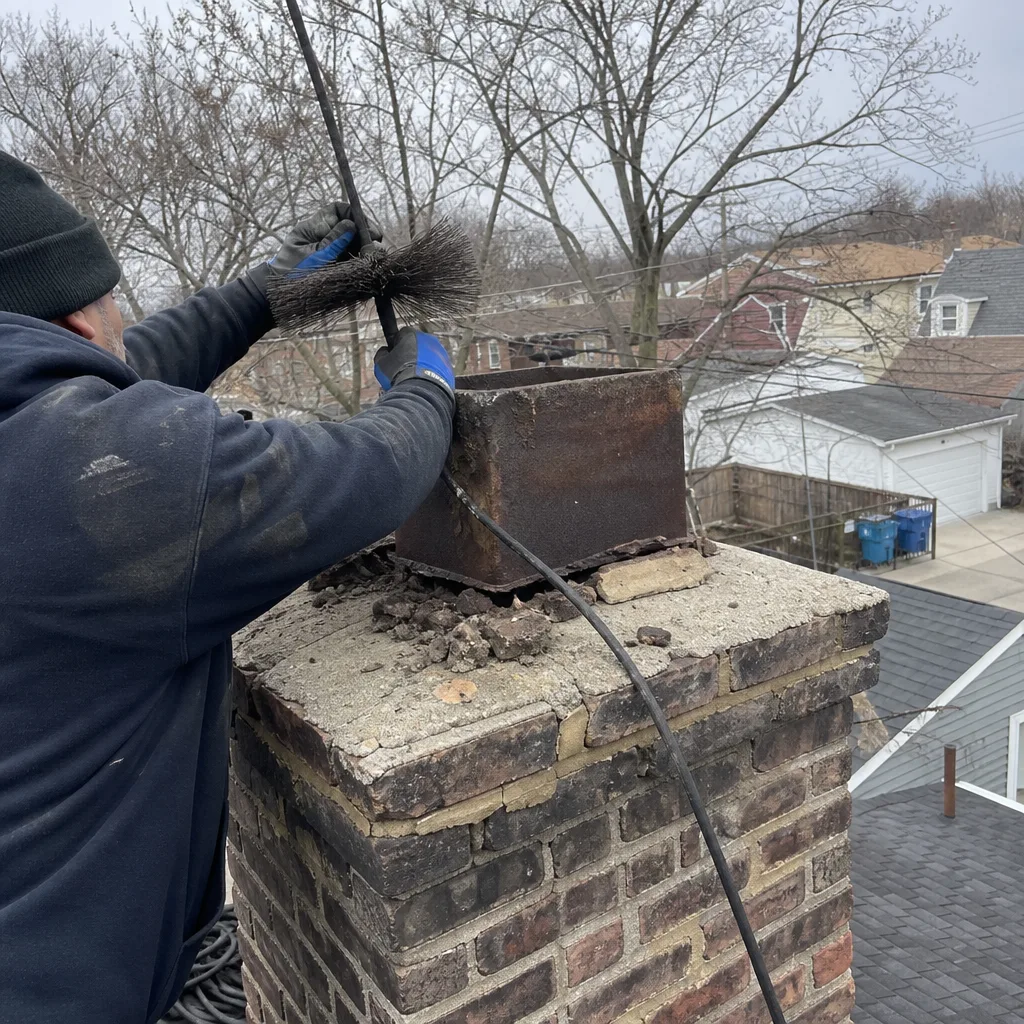 Before
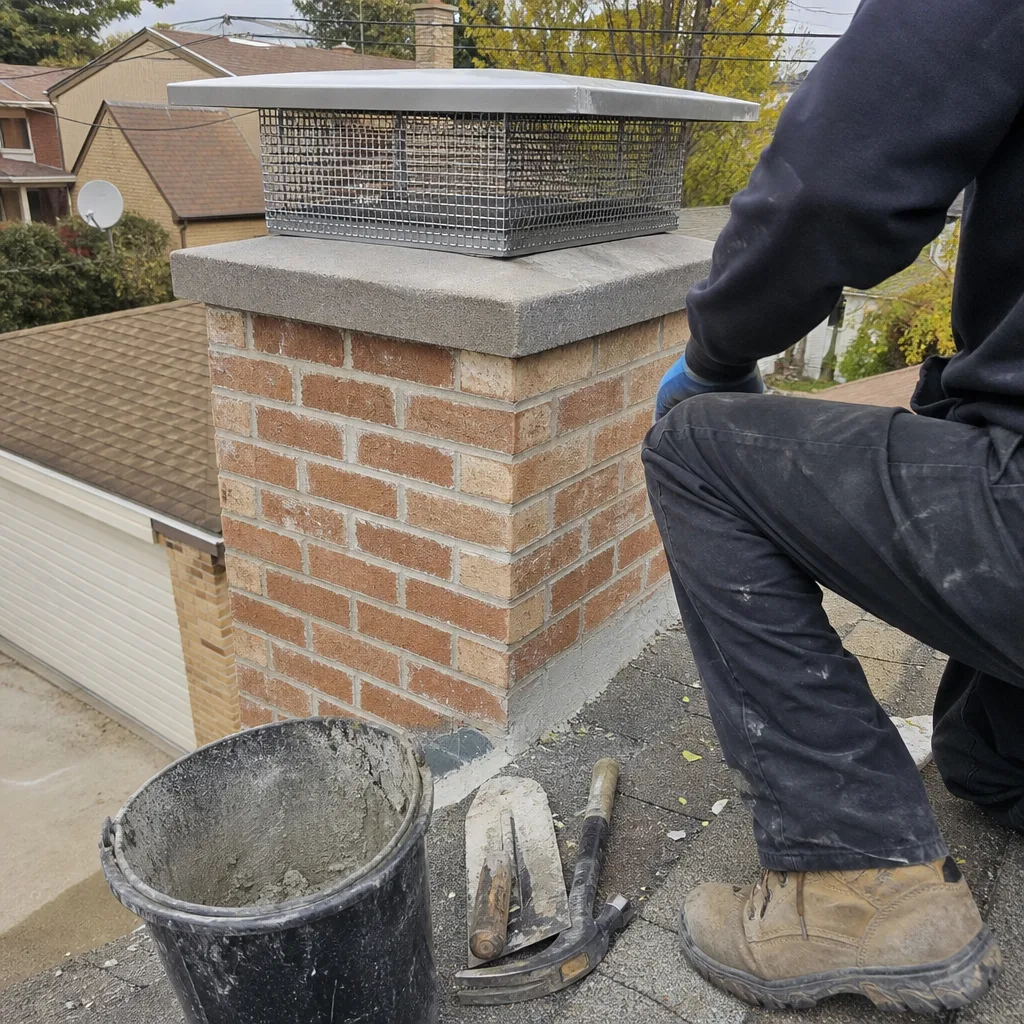 After
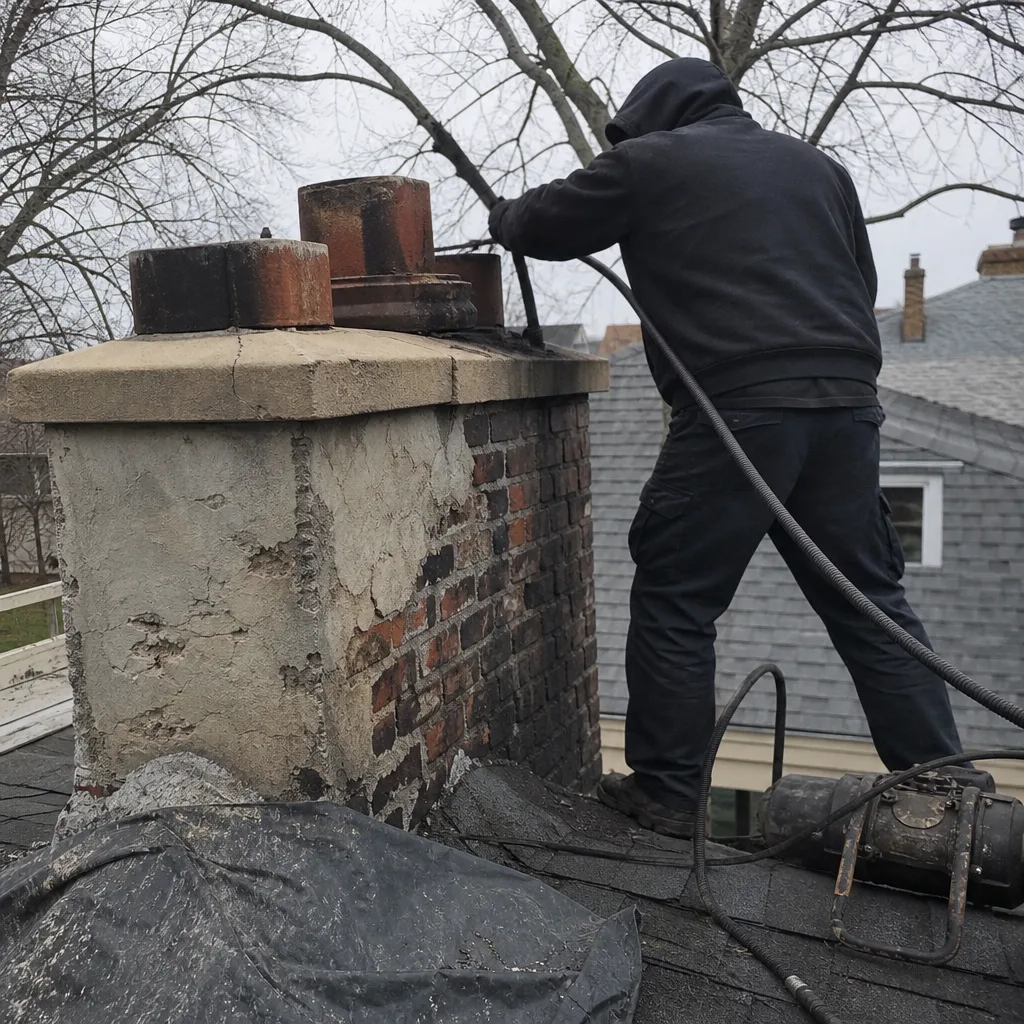 Before
 After
 Before
 After
HeatShield Products We Service & Install in Belmont Cragin
We work with the full HeatShield product range in Belmont Cragin, including the Firebox Restoration System for castable resurfacing over masonry fireboxes, HeatShield for prefabricated firebox floor and wall repair, HeatShield applications over pumice or insulating refractory firebox panels, and the high-temperature patching compound used for localized firebox defects. We don’t stock pre-mixed HeatShield bags on the truck because the material has a short working life once wet, but we source the manufacturer’s system directly for every job, and we have the mixing and application equipment ready to go. What we do stock locally is the supporting material: keying compounds, moisture barriers, and the specialized tools required for proper refractory work, which means we can usually complete a typical Belmont Cragin firebox recast in a single visit.
We Also Service These Brands
HeatShield is one tool in a broader kit. Crossroads Chimney Sweep also provides HeatShield service in Irving Park and works with DuraFlex flexible liner systems for full relining jobs, and Gelco liners for masonry chimney restoration, plus Olympia Chimney, Famco, and Copperfield components. The right material for the right repair means we’re not locked into one manufacturer’s approach when another system fits your chimney better.
FAQs – HeatShield Chimney Cleaning Service in Belmont Cragin
Can you clean a chimney if the firebox has been resurfaced with HeatShield? Yes, we clean chimneys with HeatShield-resurfaced fireboxes regularly, and the cleaning itself won’t damage a properly applied coat. What we do differently is evaluate the coating before we brush, because a failing HeatShield surface can shed debris into the flue and firebox, and brushing over a delaminated coat can loosen more of it. Our sweep includes a visual assessment of the refractory bond so we know whether the coating is stable enough to clean around safely.
How do I know if my HeatShield firebox coating is failing? Look for flaking or peeling material on the firebox walls or floor, a chalky or gritty surface that sheds dust when you run a finger across it, cracks that follow the lines of the underlying brick or damper frame, or bare brick showing through in the center of the firebox floor. If you have a gas logset, a lazy yellow flame or pilot that keeps dropping out can also point to refractory grit fouling the assembly. If you notice any of these, call (877) 265-6720 for an inspection before the next burning season.
Do you reapply HeatShield over an old coat, or do you have to remove it? We remove any delaminated, chalky, or cracked material back to sound substrate before recasting. Applying new HeatShield over a failing coat just creates a sandwich with a weak layer in the middle. Where the old coat is still firmly bonded and the surface is sound, we can key and recast over it, but that’s the exception rather than the rule in Belmont Cragin fireboxes we’ve seen.
Will HeatShield fix cracks in my firebox brick? HeatShield can cover hairline surface cracking when those cracks are stable and not structural, but it will not repair a firebox with cracks that run through multiple brick courses, show movement, or open wider during freeze-thaw cycles. In Logan Square HeatShield service calls and Belmont Cragin’s 1920s chimneys, we frequently find that what looks like a surface crack is actually the symptom of moisture moving through the masonry. In that case the moisture source has to be addressed first, and if the brick is structurally compromised, the honest fix is rebuilding the firebox or installing a new insert, not recasting over a fault line that will just re-crack.
Do you service gas fireplaces that sit inside a HeatShield firebox? Yes, and this is one of the most common service calls we take in Belmont Cragin. The key issue is that a deteriorating HeatShield coat sheds grit that fouls the pilot assembly, thermocouple, and burner ports on the gas logset. When we service a gas fireplace inside a HeatShield firebox, we inspect both the refractory surface and the gas components, because the failure of one frequently causes the other to act up.
How much does HeatShield chimney cleaning cost in Belmont Cragin? A standard chimney sweep and HeatShield firebox inspection in Belmont Cragin typically runs between $180 and $320 depending on flue condition, firebox accessibility, and whether we’re dealing with creosote or debris removal. If we find the HeatShield coat is failing and recasting is needed, that’s a separate quote that depends on the area involved and the condition of the substrate. Call (877) 265-6720 for an exact quote, and we’ll give you a written estimate before any work begins.
Book Your HeatShield Service in Belmont Cragin, IL
If your Belmont Cragin fireplace has a HeatShield-resurfaced firebox, or you’re considering one and want an independent assessment first, call (877) 265-6720. We’ll inspect, explain, and give you a written quote before we start any work. Firebox restoration isn’t something to guess at.
Written by Norm Szczepanski, Owner at Crossroads Chimney Sweep, serving Belmont Cragin, HeatShield service in Oak Park, and Chicago’s Northwest Side for nearly two decades.