Last updated October 31, 2026
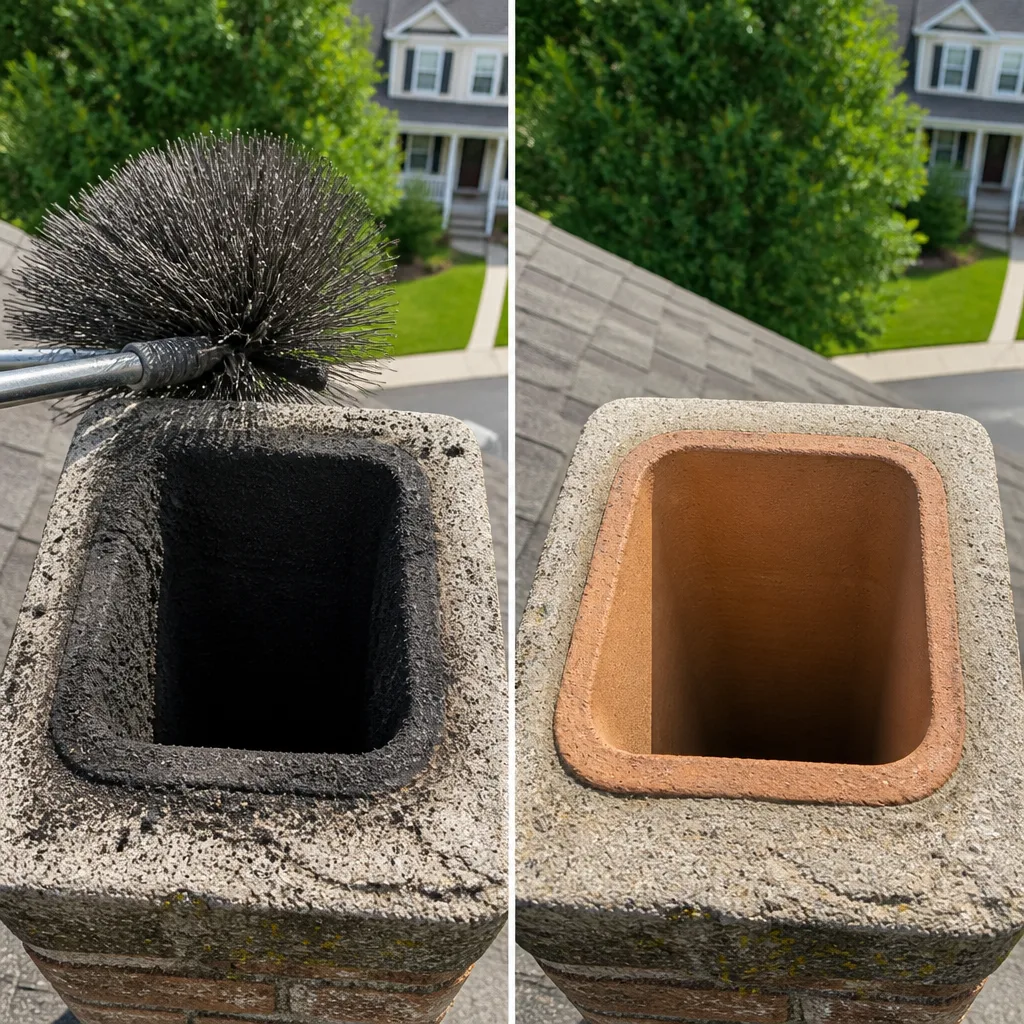 Sweep & inspection
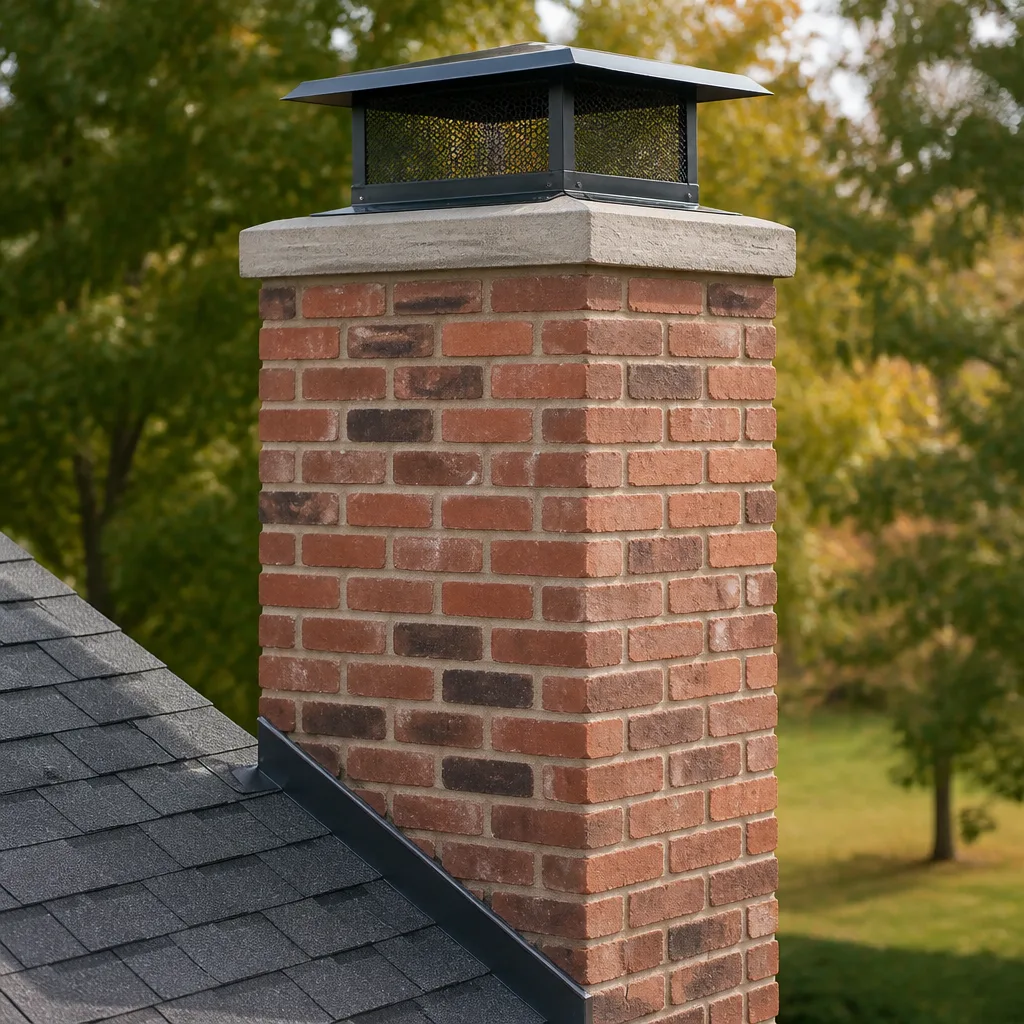 Caps & crowns
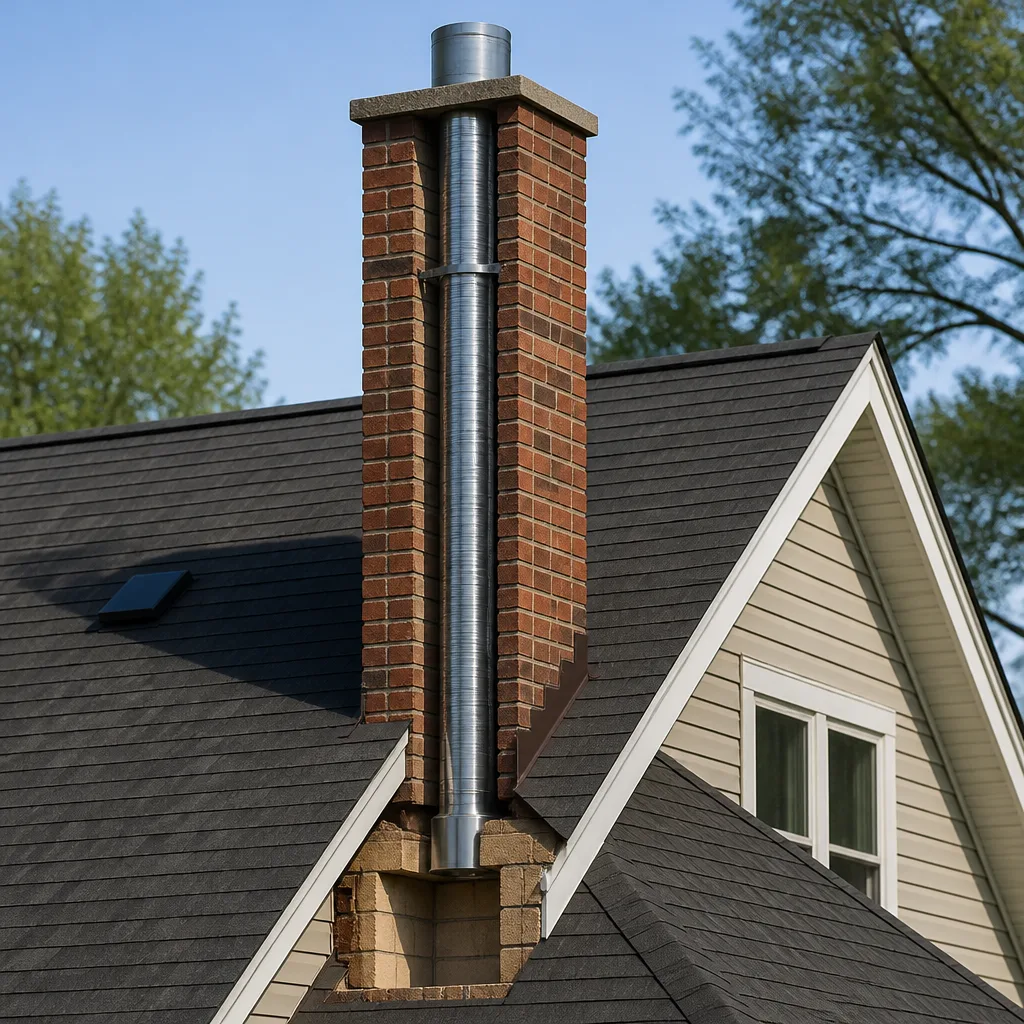 Flue relining
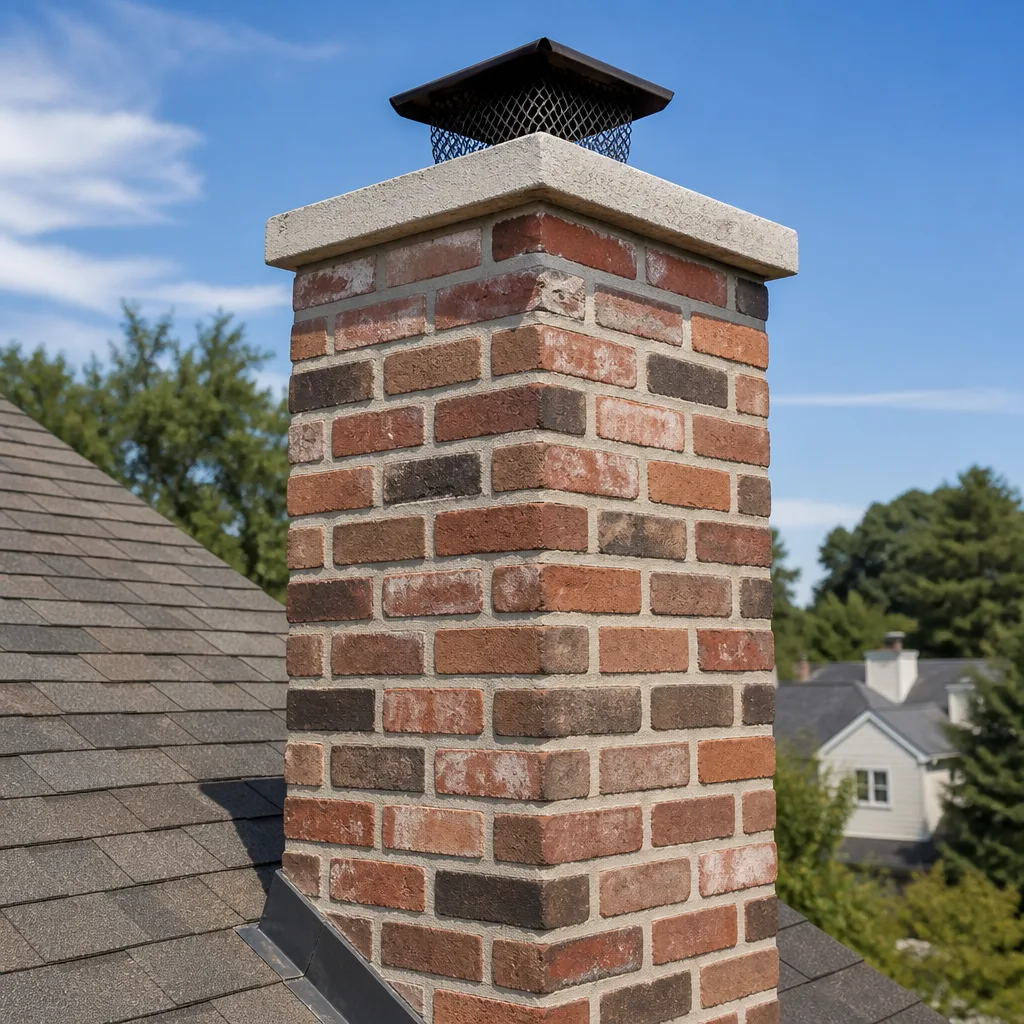 Masonry repair
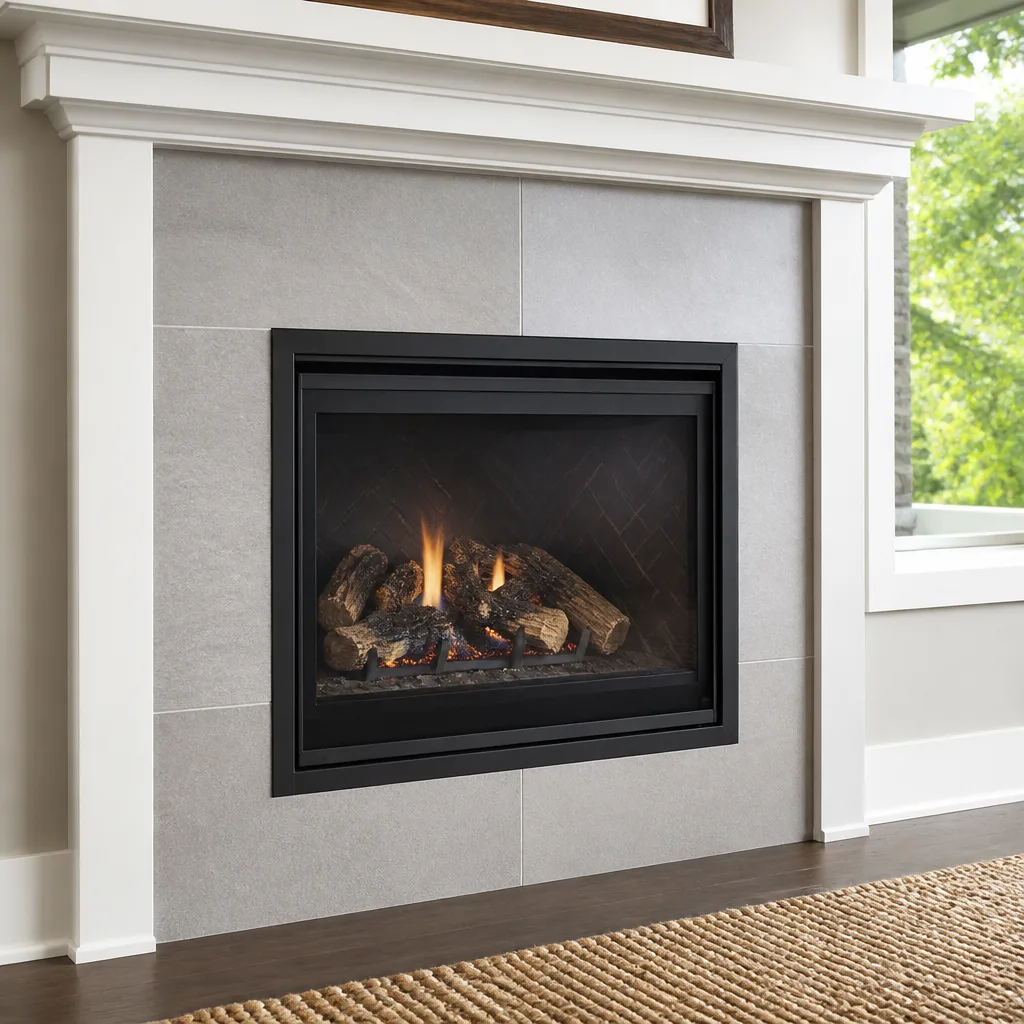 Gas fireplace service
Level 1 sweep and inspection to the NFPA 211 annual standard - flue, crown, cap, and flashing checked and photographed
Chimney sweep logs do not sweep chimneys. They loosen some creosote - which then falls where a brush and vacuum still have to collect it.
Choosing the Right Chimney Cleaning Brand: A Buyer’s Guide for Belmont Cragin
Most homeowners in Belmont Cragin don’t realize that the most expensive part of a chimney service call is rarely the labor. It’s the materials. And more specifically, it’s the difference between a stainless flex liner with a documented alloy spec and a generic liner that someone ordered from a discount catalog two days ago. A properly specified liner in a masonry chimney on Chicago’s Northwest Side can outlast a bargain alternative by a decade or more, because it’s engineered for the specific thermal differential, fuel type, and moisture conditions of this region. This guide walks through what actually matters when a chimney company names a brand like DuraFlex, HeatShield, or Copperfield, and how to tell whether you’re paying for material quality or paying for a name.
Quick Answer
The right chimney cleaning and repair brand isn’t a single winner. DuraFlex flexible stainless liners solve specific relining problems for gas conversions and tight flue bends. HeatShield ceramic resurfacing restores older flues with smaller crack profiles without a full tear-out. Copperfield caps, dampers, and brushes earn their place through gauge metal and precision fit, which matters more than anything during Belmont Cragin’s freeze-thaw swings and northwest winter winds. In Belmont Cragin, the contractor carrying these materials on the truck and matching them to your exact chimney type is more important than any brand name by itself.
Styles & brands we work with
Table of Contents
- Why Brand Names Matter in Chimney Work
- DuraFlex Liners: Where They Excel and Where They Don’t
- HeatShield Ceramic Resurfacing: Restore, Don’t Replace
- Copperfield and Other Professional Components: Why Gauge Beats Price
- The Off-Brand Risk: What’s Missing From Budget Liners and Caps
- How to Ask a Sweep Which Brand They Stock
- Key Takeaways for Belmont Cragin Homeowners
- Common Mistakes to Avoid
Why Brand Names Matter in Chimney Work
When a chimney company tells you they stock DuraFlex, HeatShield, or Copperfield, they’re telling you something concrete about their supply chain. These are not retail-shelf brands. They’re distributed through professional hearth and flue channels that require working relationships with suppliers and manufacturers. A company that installs them has already passed a basic filter, one that a one-van generalist buying discount parts online has not.
In Belmont Cragin, this matters for a specific reason: housing stock. Many homes here have original masonry chimneys from the 1920s through the 1950s, with clay tile liners that are now seventy to a hundred years old. Some have been updated for gas appliances. Some still run wood-burning fireplaces. Some have both. Each configuration puts different demands on whatever goes inside the flue, and the brand conversation means nothing until you know what your chimney actually is.
We see this every week. A homeowner knows they need a liner. They don’t know which liner. A sweep who carries only one type of liner will sell you that liner. A sweep who carries DuraFlex flexible stainless systems for relining and new construction, who can talk about when a rigid liner is better, and who can also offer HeatShield ceramic resurfacing for cases that don’t need a new liner at all, that’s a different kind of conversation entirely. That’s the conversation Chimney Repair in Belmont Cragin should always start with.
DuraFlex Liners: Where They Excel and Where They Don’t
A flexible stainless steel liner is not automatically the right liner just because it’s stainless steel. What makes a DuraFlex system different is that it’s a system, not a rolled sheet of metal. That means specific alloys matched to fuel type, a defined gauge, and connectors and terminations that are engineered to work together rather than assembled from mixed-spec parts. In our experience, that’s the difference between a liner that fails in eight years and one that runs for twenty-five.
Where a DuraFlex flexible liner is genuinely the better tool:
- Gas appliance conversions. When a Belmont Cragin homeowner converts an old wood-burning fireplace to a gas insert or gas log set, the original clay tile liner is almost never sized or sealed correctly for the lower flue gas temperatures of a gas appliance. A flexible stainless liner sized for that specific gas appliance gives you a continuous exhaust path without gaps where condensation can collect.
- Tight bends and offsets. Some older Belmont Cragin chimneys have flue offsets near the smoke shelf or near the top of the chimney, places where rigid liners physically cannot make the turn. A flexible liner negotiates those bends without cutting joints.
- Long runs and difficult access. A three-story brick bungalow with a full-height chimney on the northwest wall, a flexible liner goes in from the top or bottom without opening up the masonry.
Where a rigid liner is usually the better call:
- Straight, tall, wood-burning flues. A rigid stainless liner with welded or riveted seams is easier to clean with a rotary brush, has no ribbed interior walls for creosote to hang onto, and typically carries a thicker gauge for sustained high-heat exposure.
- Chimneys that need structural support. In a straight flue, a rigid system often carries itself better than a flexible one, placing less load on the top plate and crown.
The honest answer from a sweep should sound like this: “Here’s what your flue looks like on camera, here’s why a flex liner or a rigid liner fits this situation, and here’s the exact product spec I’m recommending.” If you never hear the word “gauge” or “alloy” in that conversation, you’re not getting a liner recommendation, you’re getting whatever is on the truck. For homeowners who want this level of specificity from someone who does Chimney Sweep in Belmont Cragin, ask the question and watch what happens.
HeatShield Ceramic Resurfacing: Restore, Don’t Replace
HeatShield addresses a problem that most chimney companies in Chicago never mention because they don’t have the training, the equipment, or the supplier relationship to offer it: minor to moderate flue damage that’s too small for a full reline and too serious to ignore. Think of cracks in clay tile liners, gaps at the joints where two tiles have separated, or spalled tile surfaces where the clay has begun to degrade. Traditional answer: tear it all out, spend six to nine thousand dollars, live with the mess. HeatShield answer: clean the flue, prep the surface, apply a ceramic coating that cures hard and restores a continuous, smooth interior wall.
The crack and gap profiles HeatShield is engineered for:
- Vertical or horizontal cracks in individual clay tile sections.
- Joint separation where mortar has dropped out between tiles.
- Spalled or deteriorated tile surfaces where the clay is intact but the surface has begun to flake.
- Flues that pass a structural inspection but fail a fire-safety inspection due to gaps in the tile path.
Situations where HeatShield is not a substitute for full relining:
- Severe flue wall collapse or major tile displacement.
- Flues that have undergone multiple chimney fires and lost structural integrity.
- Chimneys with improper clearance to combustible framing, where the problem isn’t the flue surface but the entire chimney assembly.
This distinction is exactly why a homeowner in Belmont Cragin benefits from working with a company like Crossroads Chimney Sweep. We carry HeatShield as a resurfacing capability alongside DuraFlex liner systems. So the question becomes, “What does your flue actually need?” rather than “Which product do we happen to sell?” That’s the right question. We also carry dryer vent cleaning in Belmont Cragin under the same roof, because the same house that has a compromised chimney often has a compromised dryer exhaust, and the two are connected by the same underlying principle: a clear, intact vent path.
Copperfield and Other Professional Components: Why Gauge Beats Price
Copperfield is not the most famous name in chimney components. It doesn’t need to be. A cap, a damper, or a wire brush doesn’t have the same brand romance as a liner, but in Chicago’s climate, the gauge and fit of these parts decide whether they survive two winters or fifteen.
Consider what a chimney cap in Belmont Cragin is actually up against. Northwest winds off the lake, accelerated at roofline. Rain, snow, and ice that will expand and contract through dozens of freeze-thaw cycles between November and March. Squirrels and raccoons that will test every seam and screen. The difference between a 24-gauge cap that fits the flue precisely and an 18-gauge universal-fit cap from a hardware store is the difference between a part you replace every few years and a part you install once. Copperfield, Olympia Chimney, and Famco all make their living in the professional tier because they specify the metal thickness, the screen mesh, and the fasteners. The brand isn’t the point. The fact that the specification exists on the label is the point.
Same story with dampers and brushes. A top-mount damper that doesn’t seat flush in a Chicago winter leaks a stream of heated air out of the house for months. A rotary brush with stiff nylon or steel bristles sized to the flue cleans the walls. A brush that’s a quarter-inch undersized just polishes the center. For a full-scope chimney and ventilation specialist, the Copperfield and Olympia Chimney distinction means the furnace and dryer venting side, where Famco components are used for proper termination and airflow integrity, gets the same scrutiny as the fireplace side.
The Off-Brand Risk: What’s Missing From Budget Liners and Caps
Let’s be direct about what an off-brand liner or cap actually is. It’s a product where the absence of documentation is the entire business model. No alloy certificate. No gauge stamp. No UL listing number you can verify. No warranty card that names a company with a customer service line. The parts look close enough in a photo. The price is fifteen to thirty percent lower. The moment something goes wrong, you’re on your own.
What’s typically missing:
- Alloy specification. Stainless steel isn’t one thing. 304 stainless is fine for many gas applications. 316L alloy is what you want for high-temperature wood-burning flues and coastal-adjacent moisture resistance. Budget liners rarely say anything beyond “stainless steel,” which is like saying “car” without the make, model, or engine.
- Warranty documentation. A 25-year warranty means nothing if the company that issued it no longer exists or never had a US presence. Professional products are backed by documented, transferable warranties that a contractor installs under and a homeowner can actually claim.
- UL listing and code compliance. Insurance companies ask questions after a chimney fire. A UL-listed liner with documented installation is a smooth claim. An unlisted liner is an invitation for the adjuster to deny coverage, and the adjuster will know the difference.
- Fit and connector tolerances. Off-brand flex liners are often thin enough to deform during installation, leaving gaps at the top plate or appliance connector. A gap in a flue path isn’t a minor flaw. It’s a path for exhaust gases to leak inside the chase or wall cavity.
This is why the brand conversation belongs on the truck, not in a brochure. Professional-grade brands like DuraFlex, HeatShield, Olympia Chimney, and Copperfield are carried by firms that have supplier relationships, which means they also have supplier accountability. The one-van generalist who orders off-brand product after you sign the estimate doesn’t have either.
How to Ask a Sweep Which Brand They Stock
You can learn more about a chimney company in three questions than in an entire sales pitch. Here’s a step-by-step way to run this conversation, whether you’re calling a Belmont Cragin chimney sweep or any contractor in Illinois. For more guides & resources, see our blog.
- Ask: “What liner brands do you stock on the truck right now?” If they name a brand, ask which one goes on your chimney and why. If they say they “order materials after the estimate,” that’s a scheduling answer. They’ve just told you they don’t carry inventory, which means they’ll add at least a few days to your repair timeline, if not a week. A company that shows up with DuraFlex, HeatShield, Copperfield, Olympia Chimney, or Famco inventory has already absorbed the supply-chain risk so you don’t have to.
- Ask: “What’s the alloy and gauge on the liner you’d install?” Listen for a number. “316L, 0.005-inch wall” is an answer from a technician. “It’s high-quality stainless steel” is an answer from a brochure.
- Ask: “What does my flue look like inside, and can you show me?” A professional chimney sweep in Belmont Cragin runs a camera and shows you the images. If a company recommends a liner or resurfacing without camera evidence, end the conversation.
- Ask: “Would HeatShield resurfacing work here, or do I actually need a full liner?” This is the single best question to spring on someone. If the answer is an immediate “No, you need a new liner” without discussing the crack profile, the company sells liners. If they can explain the difference between cracks HeatShield addresses and damage that requires a full reline, you’re talking to a specialist.
Here’s the frame: the material should be on the truck because the material recommendation came from the camera inspection. That’s the order of operations. Anyone who recommends a product before inspecting the flue is guessing, and in a house built in 1947 with a masonry chimney in Belmont Cragin, guessing is expensive.
Key Takeaways for Belmont Cragin Homeowners
- Brands solve problems, not arguments. DuraFlex solves gas conversions and tight bends. HeatShield solves minor to moderate flue cracks without tear-out. Copperfield, Olympia Chimney, and Famco solve the gauge and fit issues that kill caps and venting components early.
- Off-brand means missing documentation. No alloy spec, no UL listing, no warranty, and a harder insurance conversation if something fails.
- Materials on the truck signal supply-chain relationships. A company that carries professional brands has already passed a supplier filter. A company that orders after the estimate adds days to your repair and often substitutes whatever arrives.
- Camera evidence comes before every recommendation. Nothing gets recommended in a healthy chimney company until the camera shows why.
- The clean and the repair belong together. Crossroads Chimney Sweep home covers chimney sweep, chimney repair, and dryer vent cleaning in one call. The flue and the dryer vent are both fire-safety ventilation systems, and they often fail for the same reasons: deferred cleaning and missing camera data.
Common Mistakes to Avoid
- Comparing one brand against another without knowing your chimney type. “Is DuraFlex better than HeatShield?” is the wrong question. They solve different problems. The right question is what the camera shows, and a contractor who answers the wrong question with a brand name is selling, not diagnosing.
- Buying a cap by price. In Belmont Cragin’s freeze-thaw climate, a cheap universal cap fails fast. The first re-freeze cycle after a warm-up pops the seams, then the squirrels move in. Gauge and fit beat price every time.
- Assuming any stainless steel liner is equal. Alloy and gauge are the actual product. “Stainless steel” alone tells you nothing, and off-brand products rely on this ambiguity.
- Hiring the cheapest sweep without asking what’s on the truck. The one-van generalist is priced low because he orders discount parts after you sign and installs whatever shows up. That’s not savings. That’s deferred cost plus risk.
- Replacing a liner when HeatShield would resolve the damage. If a company never mentions resurfacing, they either don’t carry it or don’t know it. In either case, you’re potentially paying six times the appropriate repair cost.
- Skipping the camera. A visual top-down glance at a flue in a dark chimney is not an inspection. If there’s no camera, there’s no diagnosis, and any recommendation based on that glance is speculation wearing a quote.
- Not asking whether the components carry UL listings. This one matters after the worst happens. Documented, listed components from manufacturable suppliers make an insurance conversation straightforward. Unlisted parts make it adversarial.
See the difference
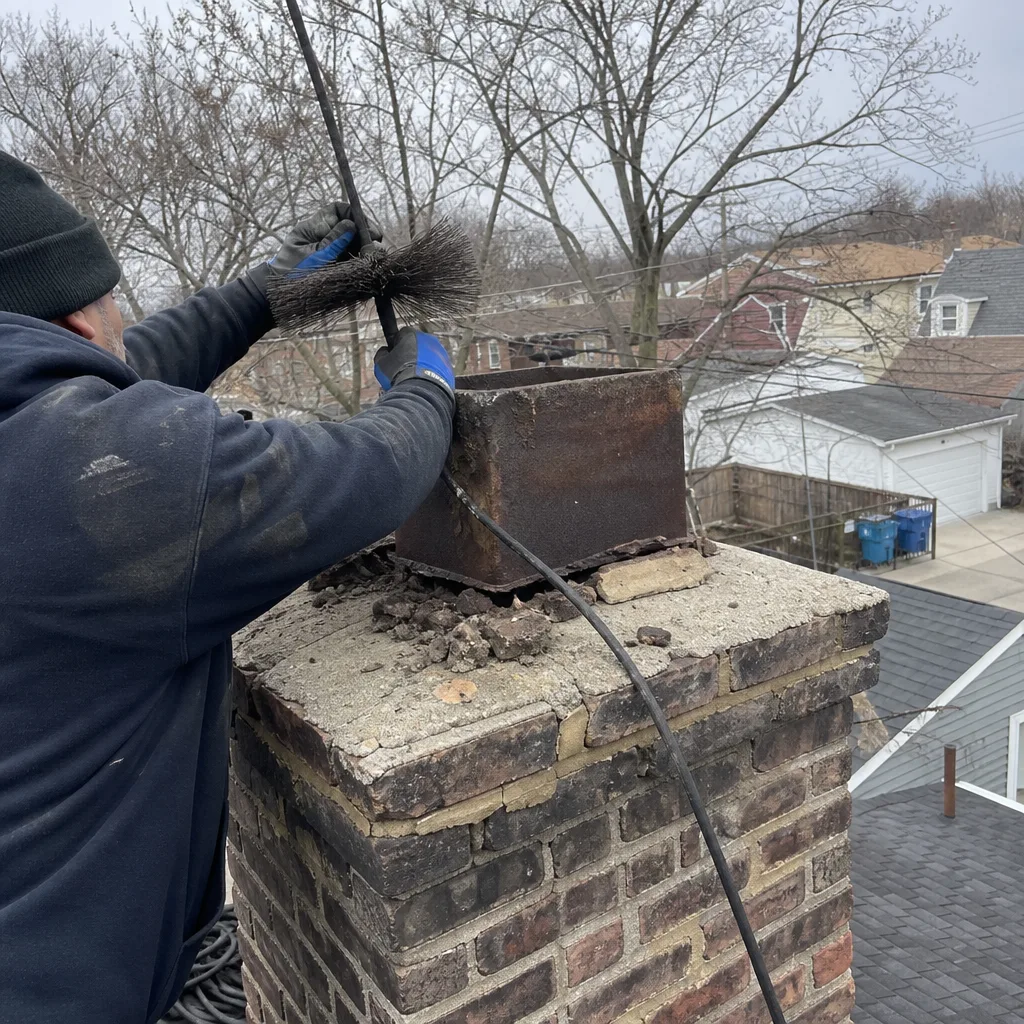 Before
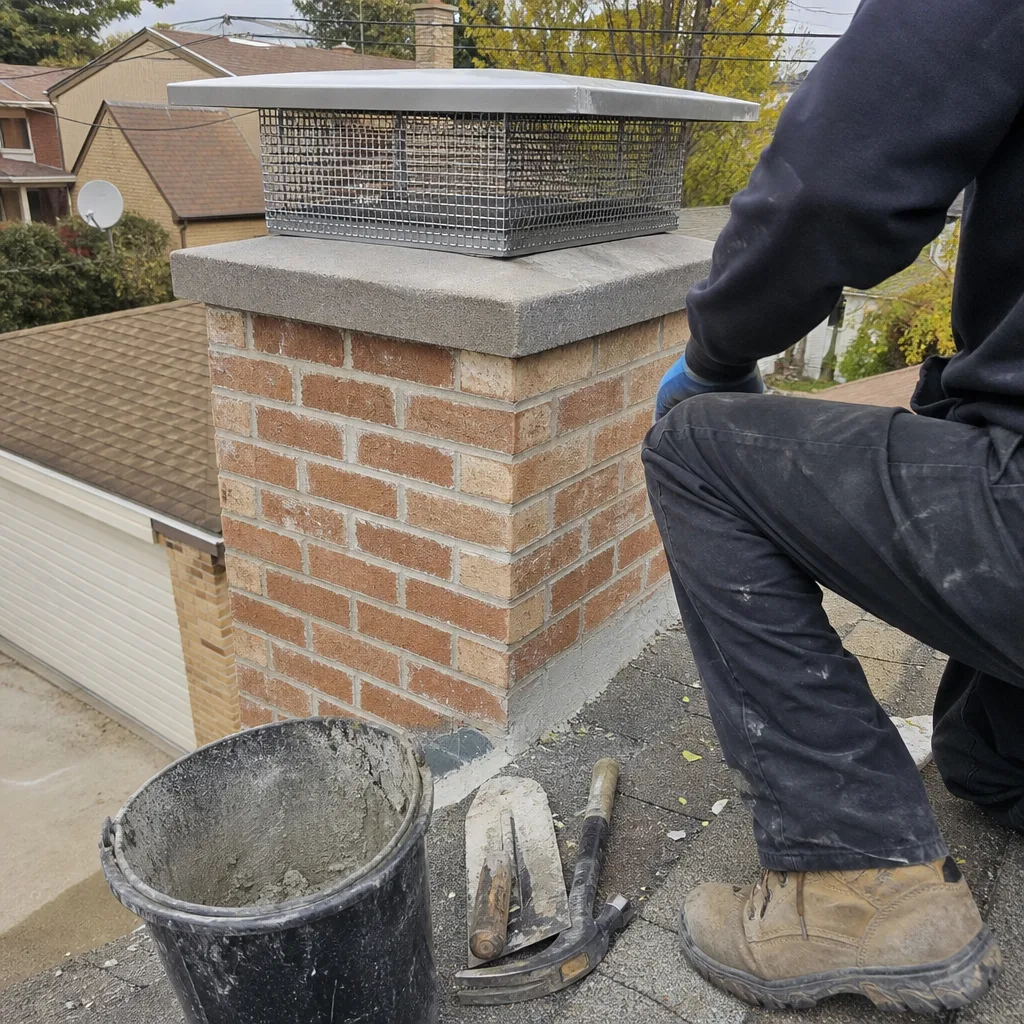 After
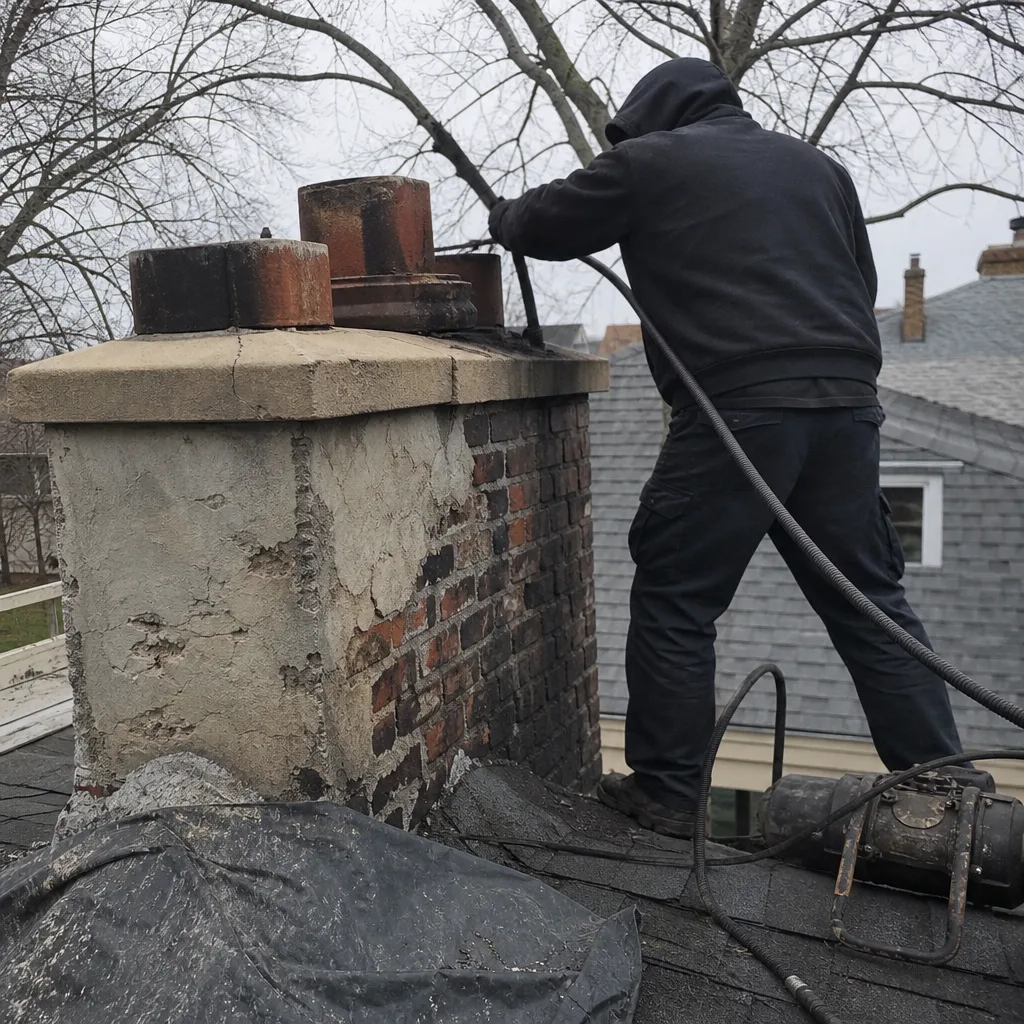 Before
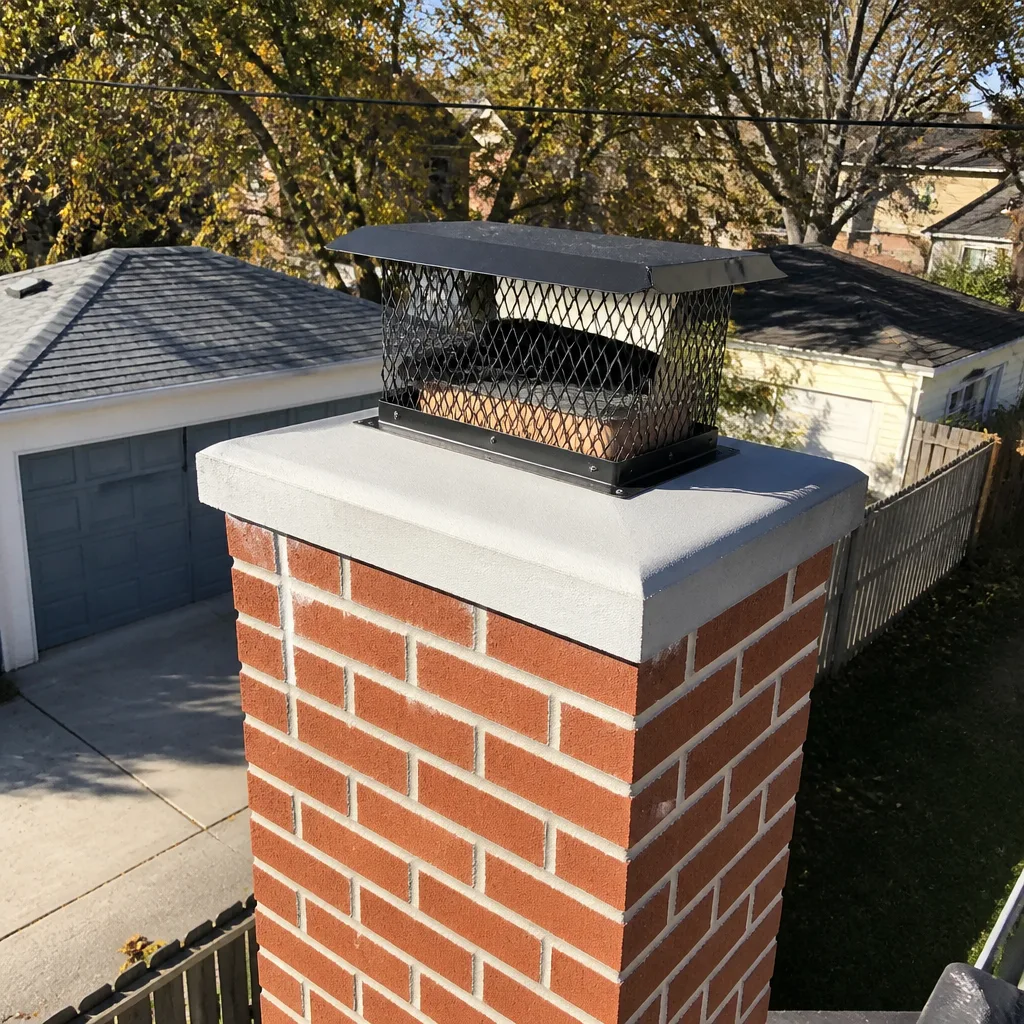 After
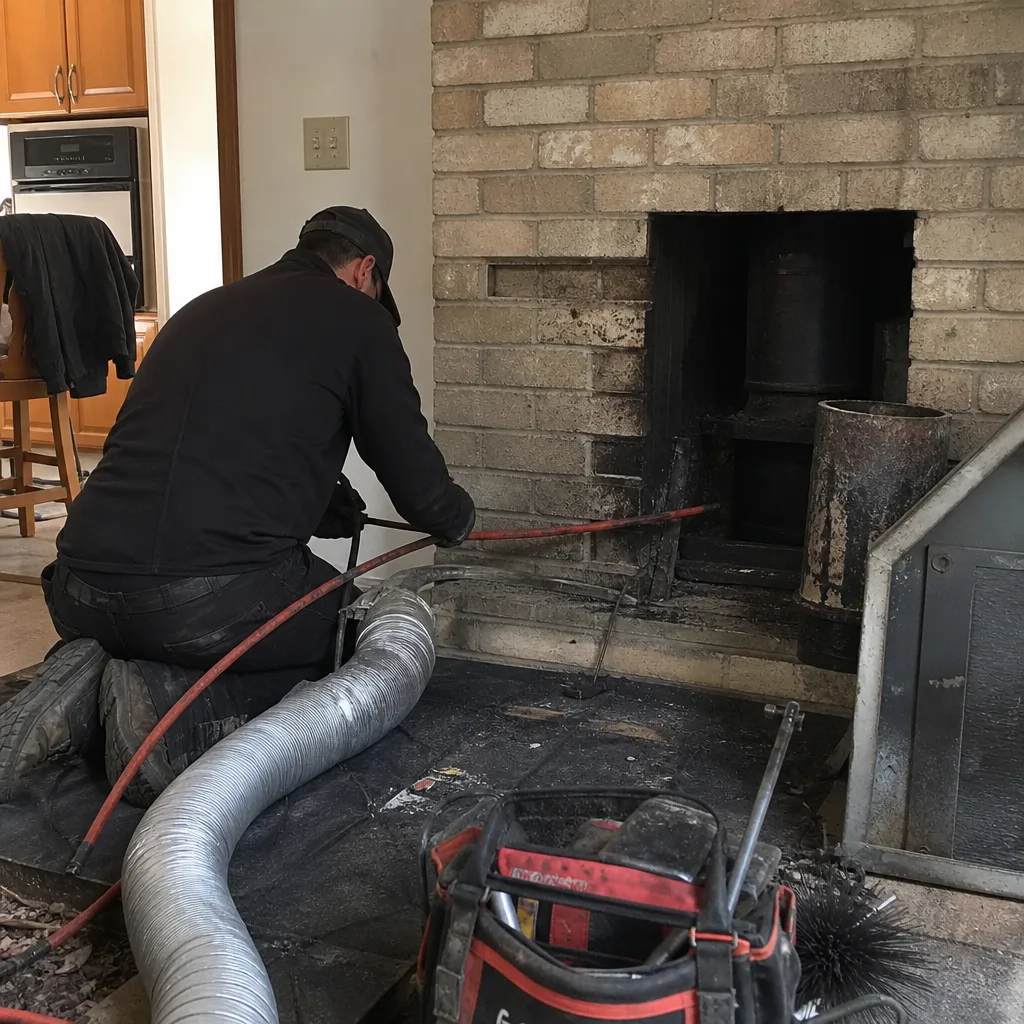 Before
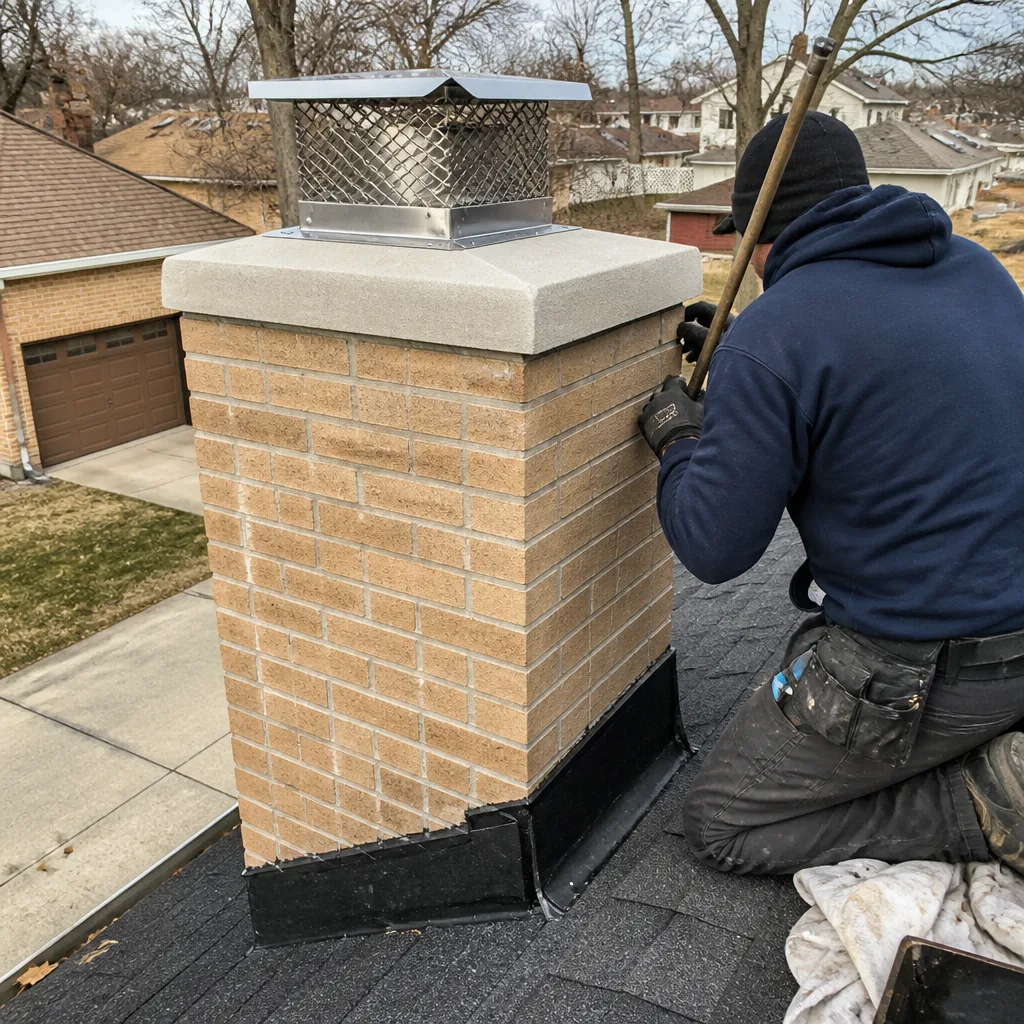 After
When to Call a Professional
Call a professional when you see white staining on the exterior brick, water in the firebox after rain, a persistent musty smell from the fireplace, or when a gas appliance smells different than it did last season. Call if your flue hasn’t had a camera inspection in five years, or if your home has had a previous chimney fire and no one has assessed the liner since. And call if someone already recommended a liner replacement or repair, and you want a second set of eyes that includes a HeatShield assessment plus a DuraFlex comparison. See DIY vs Professional Chimney Cleaning: The Belmont Cragin Homeowner’s Decision Guide to understand why professional evaluation matters. Crossroads Chimney Sweep offers free estimates in Belmont Cragin, call (877) 265-6720.
Frequently Asked Questions
In Belmont Cragin, a professional stainless liner installation typically ranges from $2,500 to $6,000, depending on flue height, liner type, alloy, and access. Gas appliance liners run toward the lower end. Wood-burning flex or rigid liners with 316L alloy and thicker gauge run toward the upper end. A cleaner flue that only needs HeatShield resurfacing can land well below the cost of a new liner. Call (877) 265-6720 for an exact quote based on camera inspection, estimates are free.
Not necessarily. Small to moderate cracks, joint separation, and surface spalling can often be restored with HeatShield ceramic resurfacing, which Crossroads Chimney Sweep applies after cleaning and prep. The camera inspection determines what’s surface-level versus structural. If major tile displacement or collapse is present, a full reline is the right fix, no resurfacing product changes that.
The National Fire Protection Association standard is that chimneys, fireplaces, and vents be inspected at least once a year, and cleaned when the inspection shows soot or creosote buildup. For wood-burning fireplaces in Belmont Cragin used regularly through an Illinois winter, that usually means an annual sweep and an annual camera check. Read The Complete Guide to Chimney Cleaning in Belmont Cragin for details on what professional cleaning involves.
Creosote, a byproduct of wood combustion, accumulates on flue walls. In enough thickness, it’s flammable, and a chimney fire will run at temperatures that crack clay liners and warp steel ones. With a gas appliance, skipping inspection means missing early liner failure or moisture damage that becomes a much larger masonry repair later. The clean and the camera catch both before they catch you.
Ask which liner brands they stock on the truck. Ask for the alloy and gauge spec if they’re recommending a liner. Ask whether they can show you the camera footage. Ask whether HeatShield is an option for your flue, and listen for a real answer. A specialist answers in product names and specifications. A generalist answers in reassurances.
Yes, contractors working in Chicago need the applicable city and state licensing for the work they perform, and professional chimney companies carry insurance and documentation. Ask to see both. A firm that can discuss its supplier relationships and carries documented professional brands like DuraFlex, HeatShield, and Copperfield has already cleared a higher bar than a truck with a business card. To reach someone who can answer those questions directly, call (877) 265-6720.
The Bottom Line
The right chimney cleaning brand in Belmont Cragin is the one that matches your flue, your fuel type, and your chimney’s specific condition. DuraFlex solves relining for gas conversions and tight offsets. HeatShield restores damaged flues without a demolition project. Copperfield, Olympia Chimney, and Famco components earn their price through gauge, fit, and documented specifications. The off-brand alternative saves a little upfront and gives up the alloy certs, UL listings, and warranty documentation that matter after the fact. Find a sweep who carries named professional materials, shows you the camera footage, and can explain in plain language why this product fits your chimney and not another. For a deeper look at choosing the right service, see The Complete Chimney Sweep Guide for Belmont Cragin Homeowners. That’s the entire decision.
Written by the team at Crossroads Chimney Sweep, serving Belmont Cragin since 2014.