
Last updated October 31, 2026
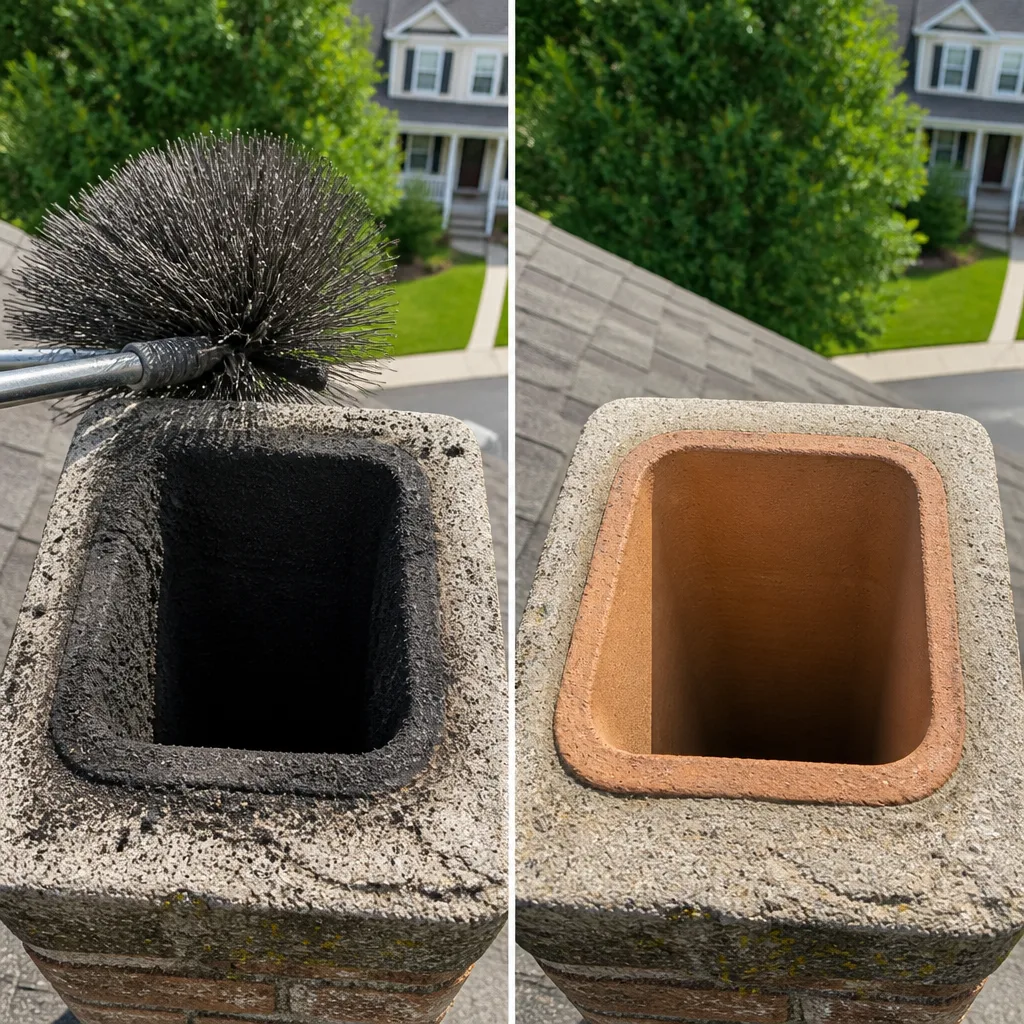 Sweep & inspection
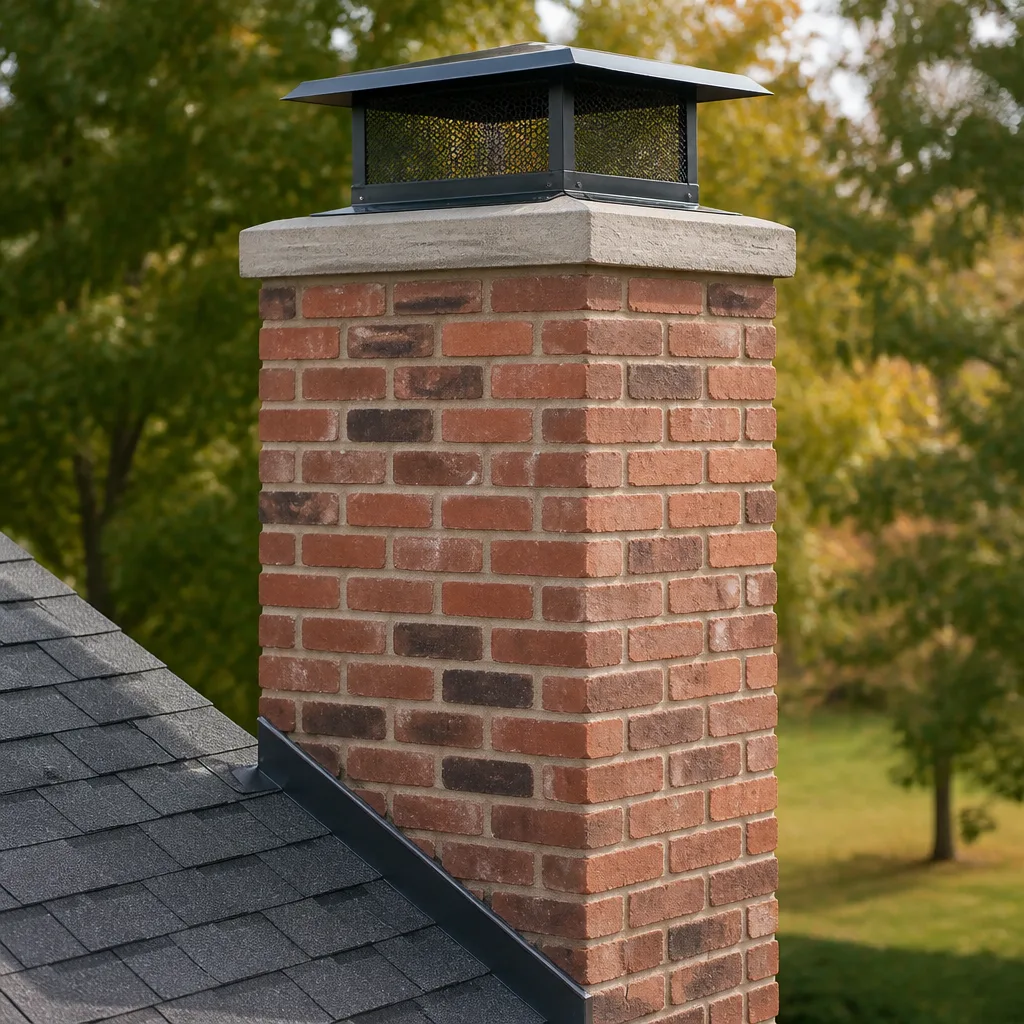 Caps & crowns
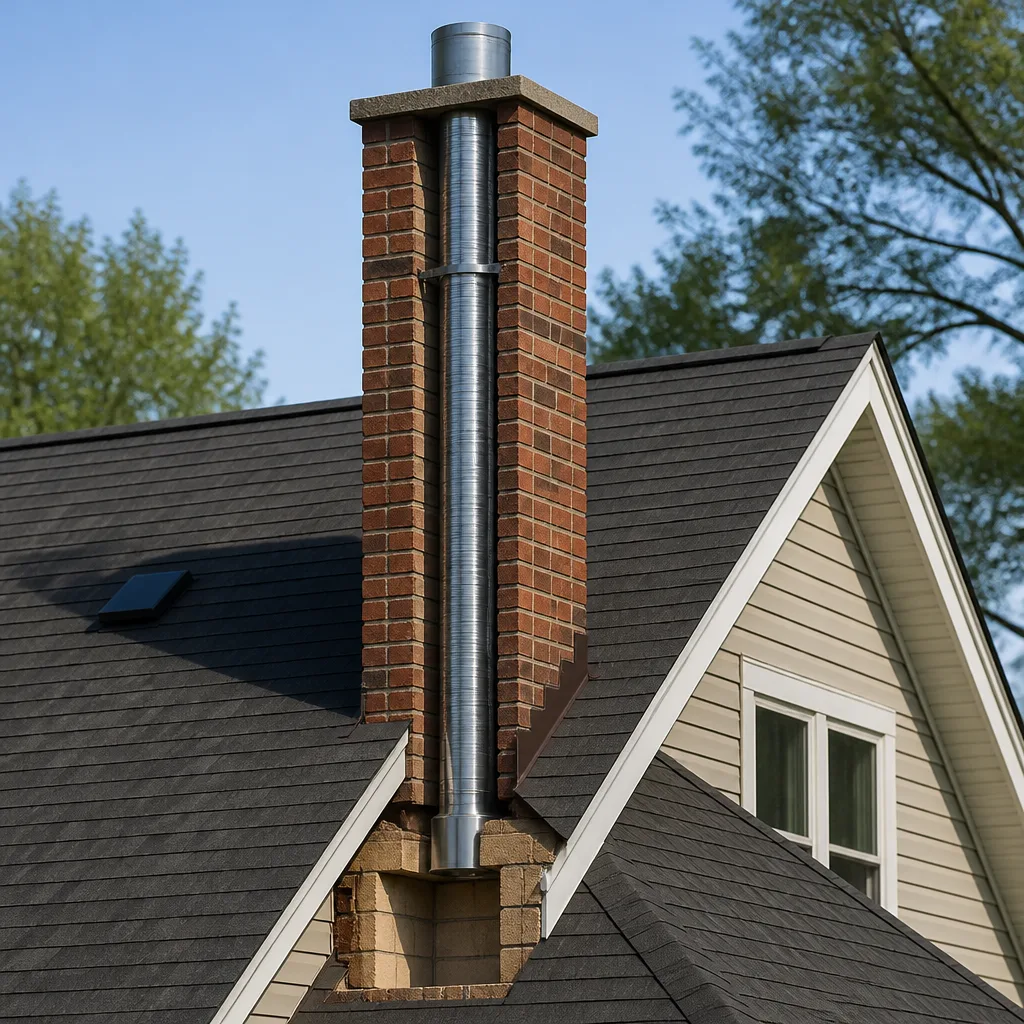 Flue relining
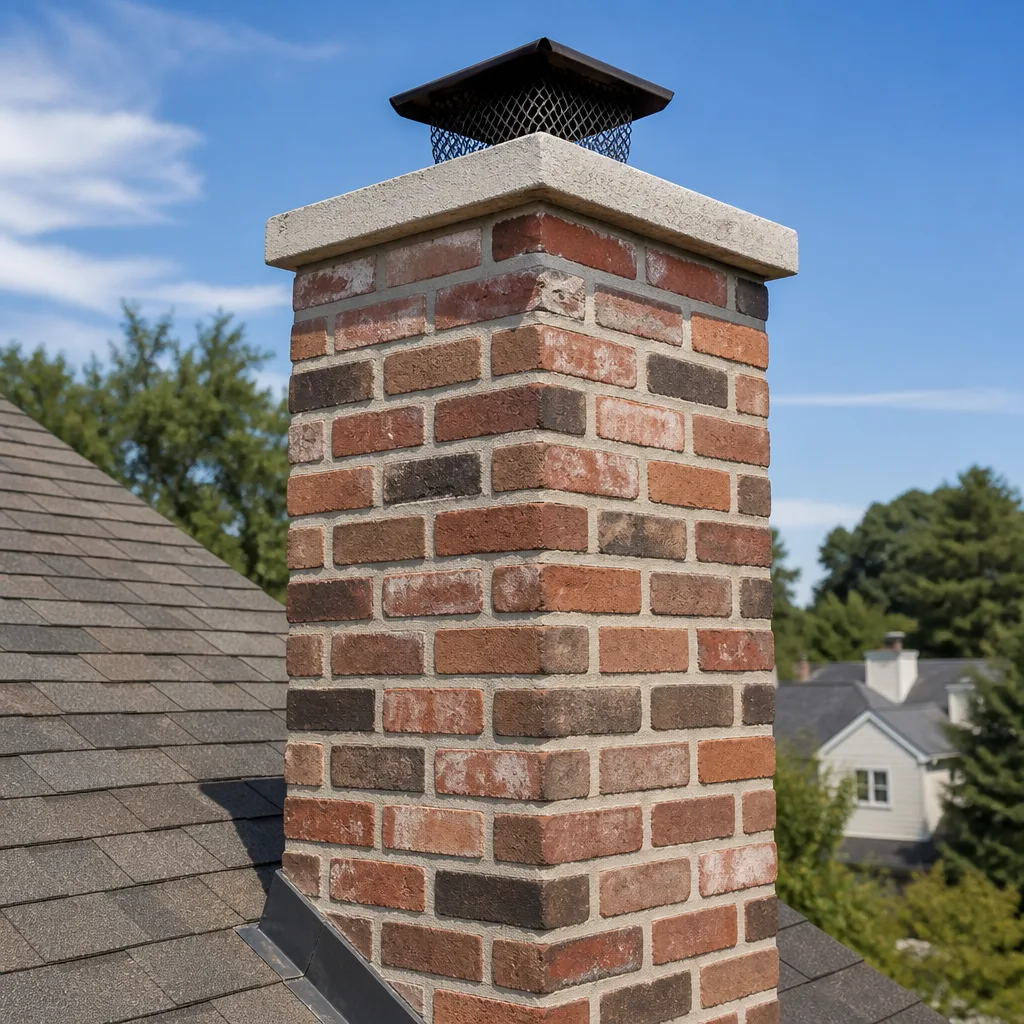 Masonry repair
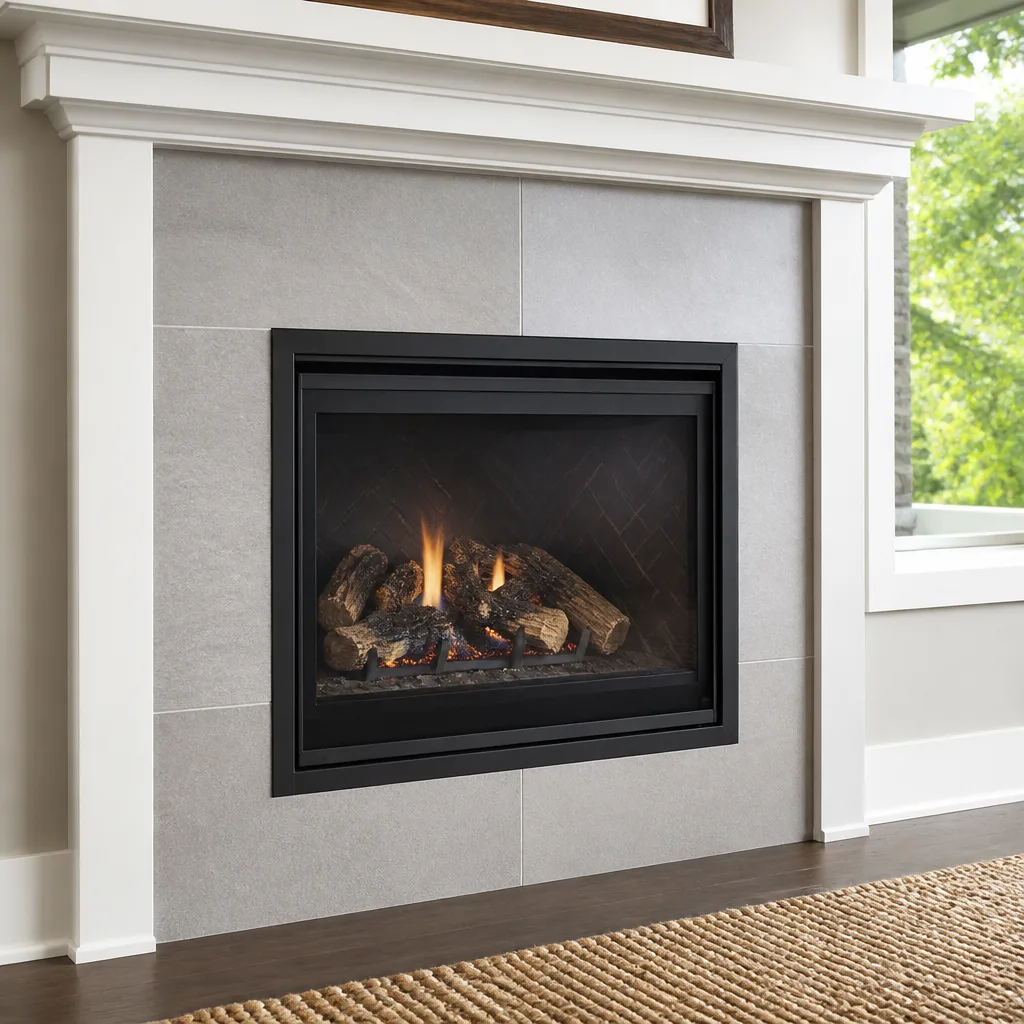 Gas fireplace service
Level 1 sweep and inspection to the NFPA 211 annual standard - flue, crown, cap, and flashing checked and photographed
Chimney sweep logs do not sweep chimneys. They loosen some creosote - which then falls where a brush and vacuum still have to collect it.
Seasonal Chimney Cleaning Care for Belmont Cragin: Year-Round Homeowner’s Guide
Most homeowners in Belmont Cragin think about their chimney exactly twice: when the first cold snap hits in late October, and when something goes wrong. That’s backwards. A chimney is a masonry structure sitting on top of your house through every freeze-thaw cycle, every summer downpour, every humid August week. Summer is when chimney deterioration quietly accelerates. Masonry absorbs moisture for months without anyone noticing, and the damage shows up as spalling brick or liner cracks the following heating season. This guide breaks down what your chimney actually needs in each season here in Belmont Cragin, what to watch for, and when to act—along with more guides & resources for year-round care.
Styles & brands we work with
Quick Answer
Chimney care in Belmont Cragin works best as a four-season cycle: monitor draft and odor during winter use, schedule a post-season inspection each spring to catch freeze-thaw damage, manage moisture and animal intrusion through summer, and complete your pre-season sweep by late September before the October rush. A professional sweep costs roughly $180 to $350 in this market; for a full Chimney Cleaning Cost Breakdown: The Belmont Cragin Homeowner’s Reference for 2026, scheduling it annually before burning season prevents the backlog that leaves Chicago-area homeowners waiting weeks for an appointment.
Table of Contents
- Winter: Monitoring Your Chimney During Active Use
- Spring: The Post-Season Inspection That Saves You Money
- Summer: Moisture Management and Animal Intrusion
- Fall: The Pre-Season Sweep Sequence
- How Chicago’s Climate Compares to State Norms
- Understanding Freeze-Thaw Damage in Belmont Cragin Masonry
- Seasonal Care for Gas Fireplaces and Inserts
- Why Dryer Vents Belong in Your Seasonal Routine
- Common Mistakes to Avoid
- When to Call a Professional
- Frequently Asked Questions
- The Bottom Line
Winter: Monitoring Your Chimney During Active Use
Winter in Belmont Cragin is when your chimney works hardest, and it’s also when problems announce themselves most clearly. Chicago cold snaps routinely push temperatures into single digits, and those conditions stress both the flue and the draft. Here’s what to monitor during the heating months.
Draft Problems Under Cold Snaps
A healthy chimney pulls combustion gases up and out. When temperatures drop fast, two things happen: cold air settles in the flue and creates a plug of dense air, and warm house air rushes toward any leak. If you notice smoke backing into the room when you first light a fire, or a fireplace that’s sluggish to establish draft on very cold days, that’s not normal operation. It signals either creosote narrowing the flue passage, a partially closed damper, or a pressure issue in the home itself. Track when it happens: if draft problems appear only on sub-zero mornings and clear after ten minutes, that’s one thing. If they persist through the burn, that’s another. Persistent cold-draft issues usually mean the flue is restricted.
Odor Changes You Shouldn’t Ignore
Wood smoke has a smell you know. What you’re listening for with your nose is any shift toward acrid, chemical, or unusually sweet notes. Acrid smoke that stings the eyes often points to restricted airflow and incomplete combustion. A musty or damp smell when the fireplace is cold suggests water intrusion somewhere in the flue or chimney cap. We’ve seen Belmont Cragin homes where the first sign of a cracked crown was simply a mildew smell around the hearth in January. You don’t need to diagnose the cause yourself. Note the change, when you first noticed it, and call a professional.
Damper Operation in Freezing Weather
Your damper is a moving metal part in a cold, corrosive environment. Once a month during active burning season, open and close the damper fully. Feel for smooth travel. If the handle binds, if the damper won’t close completely, or if you hear it scraping against creosote buildup, that’s worth flagging. A damper that won’t fully close lets heated house air escape up the flue all winter. A damper that won’t fully open before a fire sends smoke into the room. Both failures are cheap to fix early and aggravating to live with late.
What Winter Monitoring Tells You
Winter isn’t a season for major chimney work in Chicago. It’s for observation. Keep a simple note in your phone: date, what you burned, how the draft behaved, any smell you noticed. That record becomes invaluable when you schedule your spring inspection. A chimney sweep who knows that the draft was sluggish twice in January knows to measure flue diameter and creosote thickness carefully, rather than doing a routine pass. And if anything big shows up in winter, like water dripping into the firebox, call right away. Standing water plus freezing masonry is a fast path to structural trouble. For immediate issues during heating season, our Chimney Sweep in Belmont Cragin service covers urgent and routine cleaning.
Spring: The Post-Season Inspection That Saves You Money
Every spring, Belmont Cragin chimneys carry the accumulated damage of the winter that just ended. The freeze-thaw cycle is the single most destructive force acting on Chicago masonry. Water enters tiny cracks and pores in brick and mortar. When that water freezes, it expands by roughly nine percent. That expansion widens the crack. The next rain fills the wider crack. The next freeze widens it further. Given enough cycles, spalling begins: brick faces pop off, mortar joints crumble, and structural integrity quietly declines.
Why Spring Is the Smartest Inspection Season
Most homeowners schedule chimney work in September and October. That’s when everyone calls, which means longer wait times and compressed scheduling. Spring is the opposite. It’s an off-peak season for chimney sweeps, which means more scheduling flexibility and often more time for discussion. But the real argument for a spring inspection is technical: the damage from winter is at its most visible in March and April. Freeze-thaw spalling, cracked crowns, and displaced chimney caps all show themselves after the worst of the cold has passed. Catch them in April, and repairs are still minor. By September, a small crown crack can become a masonry problem that requires partial rebuild work.
What a Spring Inspection Should Cover
A proper post-season inspection in Belmont Cragin looks at five things, in this order:
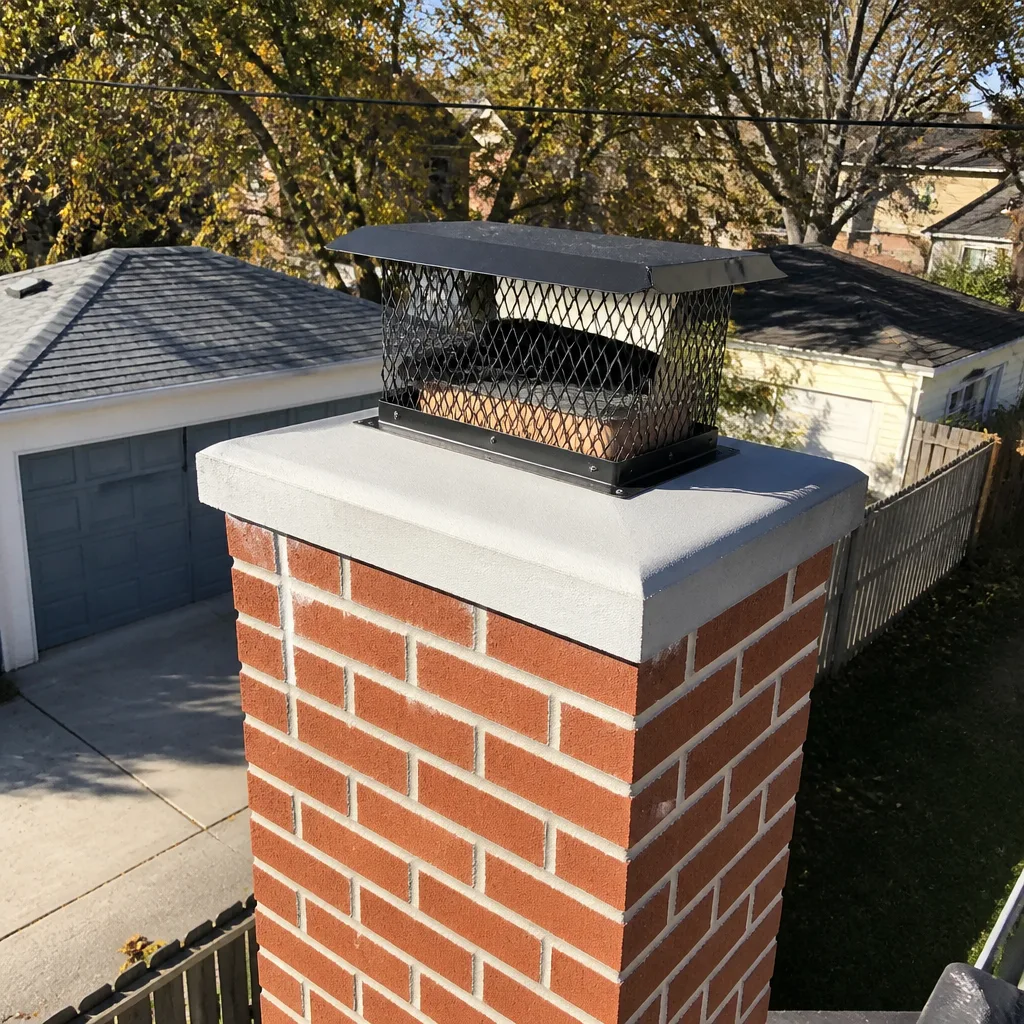
- The chimney crown: The concrete cap on top of the chimney. Hairline cracks are normal in older chimneys and not always urgent. Cracks wider than a dime, or chunks of crown material missing, mean water is getting into the chimney structure.
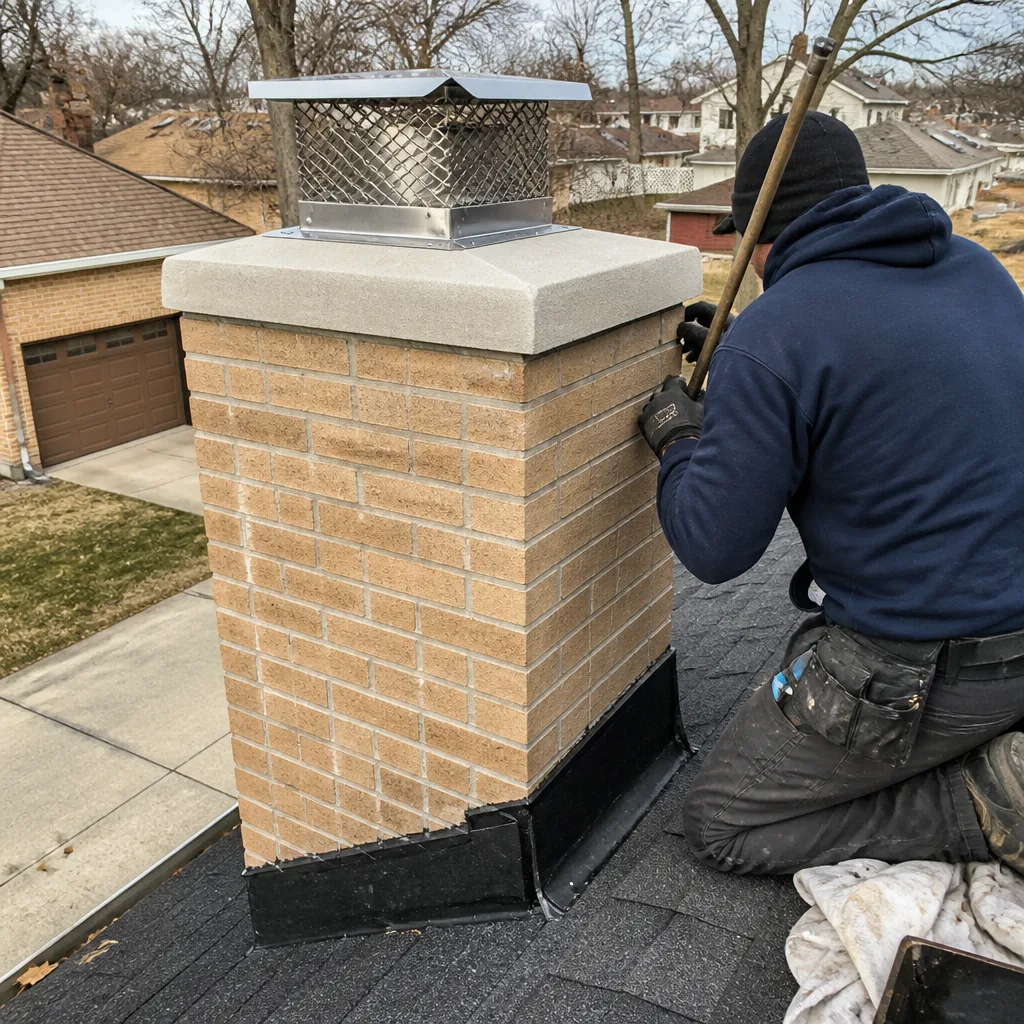
- Flashing at the roofline: The metal that seals the chimney where it meets the roof. Chicago’s freeze-thaw will pull flashing loose over time, and a loose flashing channel is a direct path for water into the attic and walls.
- Brick and mortar condition: Look for spalling: brick faces popping off, leaving exposed, roughened interior brick. Also check mortar joints. Run a key along a joint. If the mortar crumbles easily, it’s degraded and needs repointing.
- The flue interior: This requires a camera. Glazed creosote, liner cracking, or mortar joint failure inside the flue are not visible from outside, and they’re the damage that creates fire risk next season.
- The damper and firebox: Rust on the damper means prolonged moisture exposure. Cracks in firebox brick are also structural.
If a camera inspection reveals flue damage, we often have options beyond full rebuild. HeatShield ceramic resurfacing can restore a damaged flue from the inside, without the cost and disruption of tearing the chimney apart. It’s a repair method many chimney companies don’t offer because it requires specialized training and materials. The right material for the right repair. For cases where the liner is beyond resurfacing, a DuraFlex flexible liner system installed inside the existing flue restores safe venting for either masonry or factory-built applications. Our Chimney Repair in Belmont Cragin service covers both approaches.
Summer: Moisture Management and Animal Intrusion
Summer is deceptive. The chimney isn’t being used, the weather is warm, and everything seems fine. In reality, summer is when slow damage compounds. The flue sits unused for months, and whatever moisture entered during spring has nowhere to go. Add Chicago’s summer humidity, which regularly pushes dew points into the low 70s, and you have a damp, dark environment inside the flue. That environment does two things: it accelerates the deterioration of any existing creosote into a harder, more corrosive form, and it invites animals.
Chimney Cap Inspection
Every chimney in Belmont Cragin should have a cap. The cap does three jobs: keeps rain out, keeps animals out, and arrests sparks. If you don’t have a cap, or if yours is damaged, summer is the time to address it, before fall nesting season and before the first heavy rains of autumn. A missing cap on an unused chimney is an open invitation to squirrels, raccoons, and birds. We’ve pulled raccoon nests out of chimneys in July, along with the fleas that come with them. A simple cap replacement costs a fraction of what animal removal and sanitization runs.
Interior Humidity and Flue Deterioration
Creosote is hygroscopic. It absorbs moisture from humid air. As creosote absorbs that moisture, it becomes sticky, then thickens, and can eventually harden into a glaze that’s extremely difficult to remove. This is one reason a spring cleaning is more than routine: if you leave even partial creosote in the flue through a humid Chicago summer, you may be dealing with a much harder removal job in fall. The chemistry works against you the longer you wait.
Monthly Summer Checks
You don’t need to be on the roof every week. From the ground, once a month through summer, check the following:
- The cap is in place: Use binoculars if needed. A tilted or missing cap changes your fall timeline.
- No animal activity: Birds flying in and out of the chimney, or scratching sounds in the flue from inside the house, mean something has moved in. Call a professional rather than trying to smoke the animal out. Blocked animal nests can cause carbon monoxide backup if you light a fire without clearing them.
- The crown looks intact from your visible angle: New cracks, missing chunks, or vegetation growing in the crown need attention before fall rain.
- The damper is closed, and the firebox is dry: If the firebox shows moisture staining in summer, water is actively entering the flue. That’s a call-now finding, not a fall item.
Fall: The Pre-Season Sweep Sequence
Fall is when Belmont Cragin homeowners light their first fires, and it’s also when chimney sweeps get slammed. Our busiest calls in October aren’t from people who planned ahead, they’re from people who lit a fire on the first cool night and discovered a draft problem, an odor, or a chimney that’s been occupied by birds all summer—exactly the kind of surprise a Chimney Cleaning Emergency Preparedness Guide for Belmont Cragin Homes is designed to prevent. Here’s the pre-season sequence that prevents that experience.
Schedule Before October
The single highest-leverage chimney decision you make all year is when you schedule your fall sweep. Chicago’s burning season effectively starts when nighttime temperatures drop into the 40s, which in Belmont Cragin is typically mid-to-late October. By October 1, the fall calendar at most reputable chimney companies is booked out for weeks. If you schedule in August or early September, you get both flexibility and a clean flue before the first fire. If you wait until the first cold night, you’re burning in an uncleaned flue or waiting. Schedule the sweep in late August. It’s the difference between a practiced seasonal routine and a scramble.
The Sweep Sequence Itself
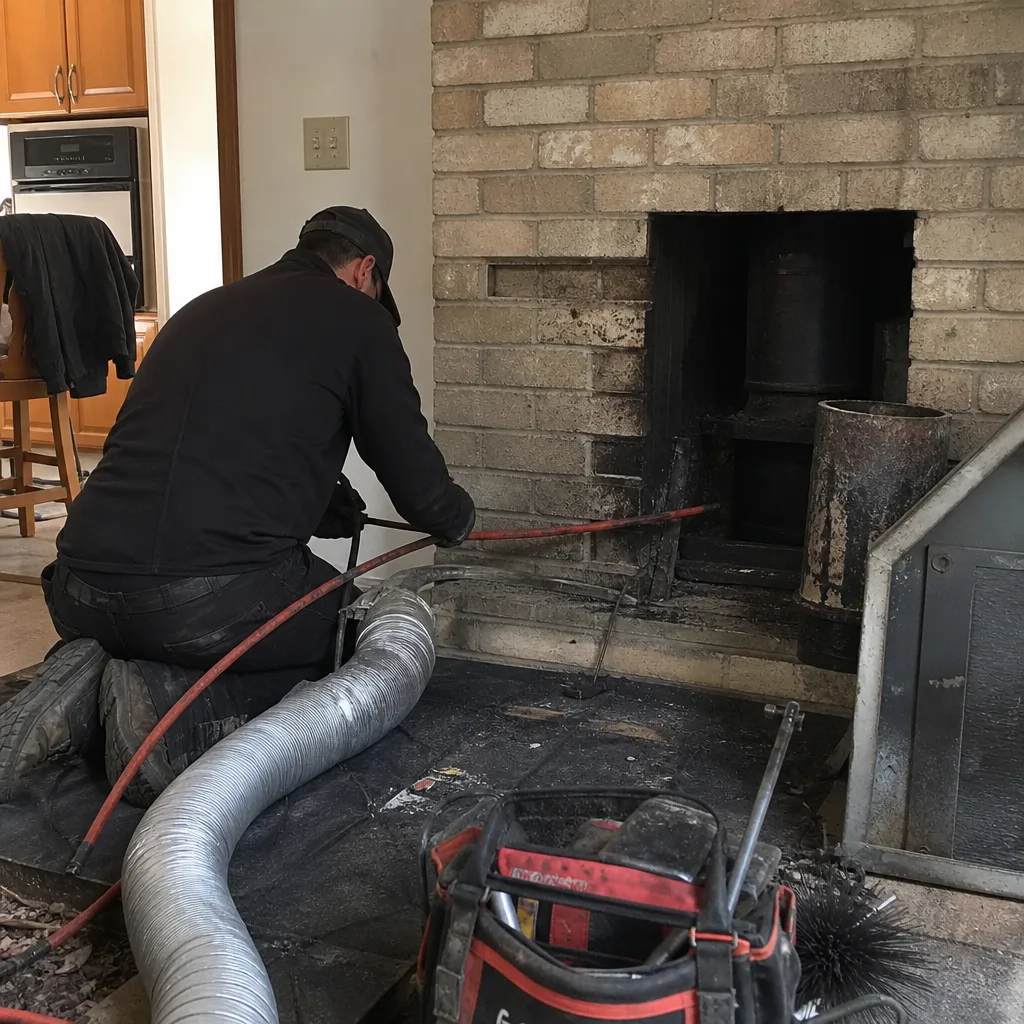
When a chimney sweep arrives at a Belmont Cragin home for a pre-season cleaning, the work follows a standard sequence. It’s useful to know what that sequence is, because it tells you whether you’re getting a thorough cleaning or a cosmetic pass.
- Ground-level inspection: The sweep examines the fireplace and damper from inside the home, checking for visible creosote, obstruction, and damper function.
- Rooftop access and flue inspection: The sweep goes on the roof and checks the cap, crown, and exposed masonry, then runs a camera down the flue to assess internal condition.
- Brushing the flue: A properly sized brush is pulled through the flue from either the top or bottom, clearing creosote and soot from the interior walls.
- Firebox and smoke shelf cleaning: The sweep removes debris from the smoke shelf, the most commonly missed area in a DIY job, and cleans the firebox.
- Post-sweep report: A competent sweep shows you what came out of the flue, tells you the condition of the liner, and flags any repairs. Nothing should be recommended on trust. If a sweep says you need a liner replacement, ask to see the camera footage. Reputable sweep companies in this market, including Crossroads, include a camera inspection and photo report as standard.
Pre-Season Masonry Checks
A fall sweep is also the right time to do one final exterior check before winter. Loose flashing, open crown cracks, or missing mortar should be addressed before freeze-thaw season, not after. If your sweep finds masonry issues during the fall visit, and the repair is minor, get it done before December. The same crack that’s a $200 crown repair in September can be a $1,500 masonry repair after a full winter of water entry. For homeowners who’ve let things slide, we’ve handled Chimney Repair in Belmont Cragin jobs that started as a simple fall cleaning and turned into flue restoration. Restore, don’t replace, when the liner allows it.
How Chicago’s Climate Compares to State Norms
Homeowners sometimes ask why Belmont Cragin masonry needs attention more often than chimneys in downstate Illinois, and whether Chimney Cleaning Permits, Codes & Inspections in IL: What You Need to Know affect that frequency. The answer is written in climate data. Chicago sits on the shore of Lake Michigan, and the lake shapes local weather in ways that accelerate chimney wear.
Frost Depth and Freeze-Thaw Cycles
Chicago’s average frost depth, the depth to which ground freezes in winter, runs between 36 and 42 inches, deeper than most of the state outside the northernmost counties. That deep freezing doesn’t directly affect your chimney, but it’s a proxy for how hard and how long the cold penetrates. The damage mechanism for a chimney is the number of freeze-thaw cycles, not the absolute cold. Chicago experiences more of those cycles than inland Illinois because the lake moderates extreme lows while keeping winter temperatures oscillating around the freezing point. A winter that bounces between 20 degrees and 40 degrees week after week produces more expansion-contraction stress than a winter that stays frozen solid for two months. Those repeated transitions are what crack crowns and shatter mortar.
Precipitation Pattern
Chicago averages around 38 inches of precipitation annually, but the distribution matters for chimney health. Spring and early summer bring the heaviest rain, and September through November brings the second peak. That means the fall season, when you’re preparing to burn, is also when your chimney is taking on water. A chimney that enters October with cracked mortar or failed flashing isn’t just a fire risk. It’s a water intrusion risk all winter long. By contrast, late winter precipitation in Chicago often falls as snow that stays frozen on the roof rather than immediately entering the masonry. The damage from that snow accumulates at the next thaw.
What This Means for Maintenance Intervals
The practical takeaway: Belmont Cragin chimneys benefit from annual inspection, every year, regardless of how often you burn. An annual sweep is the baseline. If you burn more than three cords of wood per heating season, you may need a second mid-winter sweep to manage creosote. If you burn occasionally, annual is still the right interval for the inspection, because the masonry is taking weather damage even when the fireplace is dark. Fire safety starts in the flue, and in this climate, flue maintenance is not optional.
Understanding Freeze-Thaw Damage in Belmont Cragin Masonry
Freeze-thaw is the quiet destroyer of Chicago chimneys. It works slowly and invisibly, and by the time you see the damage, it’s usually advanced. Here’s what actually happens to your chimney, mechanically, through a Chicago winter.
The Cycle, Step by Step
- Water enters: Rain and melted snow enter through hairline cracks, porous brick, degraded mortar, or a failed crown. The water penetrates the surface and sits inside the masonry pores and voids.
- Temperature drops below freezing: The trapped water freezes and expands. The expansion force is roughly nine percent of the water’s volume, which is enough to split brick and crack mortar.
- Thaw releases the pressure: The ice melts and the water moves deeper into the now-enlarged crack or pore, carrying dissolved minerals with it.
- Re-freeze: The next cold snap freezes the water again, in its new, deeper position, and the crack widens again.
Every freeze-thaw cycle works this cycle deeper into the masonry. A spring inspection that catches and seals crown cracks or repoints degraded mortar stops the cycle. A chimney that goes five years without inspection through five Chicago winters can lose enough structural integrity to require rebuild-level work. The repair cost curve is not linear. It’s a cliff, and the cliff is usually somewhere around year three or four of neglect.
What Spalling Looks Like
Spalling is the most common visible late-stage symptom. Brick faces pop off, leaving lighter, rougher interior brick exposed. You’ll often find brick chips on the roof or ground near the chimney. Once spalling begins, the exposed brick is more porous than the original face, so water enters faster and the deterioration accelerates. Spalling near the top of the chimney is a structural concern, because the top few feet of brick are where the chimney’s lateral stability is most dependent on intact masonry. At the flue level, heat and cold cycling compound the problem. When we see advanced spalling on a Belmont Cragin chimney, we typically assess whether the flue can be restored with HeatShield or relined with a DuraFlex system, while also planning the masonry rebuild. The two are separate problems and need to be treated separately.
Seasonal Care for Gas Fireplaces and Inserts
Gas fireplaces have a different risk profile than wood, and a different seasonal routine. The good news: gas burns clean, so you’re not managing creosote. The bad news: gas appliances vent more slowly and often through smaller flues, which means blockages are a different kind of hazard. A gas fireplace that can’t vent properly is producing carbon monoxide, not smoke. You won’t smell the problem.
What to Do Each Season
- Fall: Have the venting checked before the first long burn. A camera inspection through the flue confirms it’s clear. Check the glass for cracks, and replace the batteries in any remote or ignition system.
- Winter: Operate the unit normally, but pay attention to any change in flame color. A healthy gas flame is blue with yellow tips. A sooty, orange, or yellow-dominant flame suggests incomplete combustion and should be checked. Also note any unusual smell. Gas odor should be investigated immediately.
- Spring: Turn the unit off and have the venting and firebox cleaned. Gas units still accumulate dust, pet hair, and insect debris in the vent, especially after a season of disuse.
- Summer: Verify that the chimney cap or vent termination is intact and that no animals have nested in the vent. Gas flues are attractive nesting spots because they’re warm and sheltered.
- Fall: The peak drying season starts. Families are washing heavier clothing, blankets, and winter layers. Schedule a vent cleaning before the volume ramps up.
- Winter: Running the dryer more means lint builds faster. If you dry more than five loads per week, check the exterior vent flap monthly to confirm it opens and closes freely.
- Spring: A post-season vent inspection catches winter accumulation. This is also when birds sometimes nest in dryer vent terminations.
- Summer: A good time for any vent repair work, because the dryer runs less and the work doesn’t interrupt a critical service window.
- Scheduling the fall sweep after the first cold night: By then, you’re either burning an uncleaned flue or waiting weeks for an appointment. August scheduling puts you ahead of the rush and guarantees a clean flue before the first fire.
- Skipping the inspection because you burn rarely: The masonry is taking weather damage whether you burn or not. Annual inspection protects the structure itself, not just the flue interior. In Belmont Cragin’s freeze-thaw climate, an unused chimney still deteriorates.
- Ignoring a draft problem that only happens on cold mornings: That’s not a quirk. It’s usually a restricted flue or a cold-air plug signaling creosote buildup. If it recurs through multiple burns, get the flue measured.
- Trusting a repair recommendation without seeing proof: You should never be told you need a liner replacement on trust. Ask for camera footage. A legitimate sweep company will show you exactly what they’re proposing to fix. We include camera inspection and a photo report as standard.
- Treating the chimney and the dryer vent as separate problems: They’re both fire-risk venting systems, and both follow the same seasonal logic. The household that maintains both on a schedule eliminates the two leading vent-related fire sources in one routine.
- Using the fireplace despite a blocked or questionable flue: When in doubt, don’t light the fire. Carbon monoxide is odorless. A blocked flue doesn’t send smoke into the room every time, and the times it doesn’t are the most dangerous.
- Putting off a cracked crown because it looks small: Hairline cracks widen. The freeze-thaw cycle in Chicago does not improve them. A crack that’s manageable in April is expensive by October. This is the single most cost-effective repair in chimney maintenance, and the most commonly deferred.
For gas inserts installed in existing masonry flues, we typically run a properly sized liner. Copperfield and Olympia Chimney components are common in the gas venting systems we install, because they’re manufactured for this specific application, not adapted from wood-burning parts. Getting the vent sizing right matters for backdraft prevention, and it’s the kind of specification detail that separates a chimney specialist from a generalist.
Why Dryer Vents Belong in Your Seasonal Routine
Dryer vent cleaning doesn’t fit the classic chimney calendar, but it belongs in this guide because the two vents in your Belmont Cragin home that cause the most fires are the chimney and the dryer exhaust. They run through the same seasonal logic. A dryer vent collects lint the way a chimney collects creosote, and a blocked dryer vent is a fire waiting for the next drying cycle. The US Fire Administration attributes roughly 2,900 home dryer fires per year nationally, and the leading cause is accumulated lint in the vent system.
A Seasonal Dryer Vent Schedule
A properly terminated dryer vent uses components designed for the application. We specify Famco ventilation components for dryer vent terminations because they’re built with proper airflow and animal exclusion in mind. The difference between a proper termination and a hardware-store plastic flap is real: the wrong material, installed incorrectly, can trap lint at the outlet and defeat the purpose of the cleaning. Our Dryer Vent Cleaning in Belmont Cragin service covers the full vent path, not just the lint trap.
Common Mistakes to Avoid
When to Call a Professional
Call a chimney sweep whenever you observe draft problems that persist through a burn, any animal activity in the chimney, visible water staining inside the firebox, spalling brick or missing mortar on the exterior, or the presence of a strong creosote smell anywhere near the hearth. If you see smoke entering the room rather than going up the flue, stop using the fireplace until it’s inspected. If you smell gas from a gas fireplace or insert, call your utility provider first, then schedule a venting inspection once the gas is shut off. Animals in the flue should be handled by a professional because removing a nest improperly can compact debris into a blockage that creates a carbon monoxide hazard. Crossroads Chimney Sweep offers free estimates in Belmont Cragin. Call (877) 265-6720 to schedule an inspection or sweep, and we’ll bring industry-grade materials to your door. One call covers it: chimney sweep, chimney repair, and dryer vent cleaning from a single specialist.
Frequently Asked Questions
A professional chimney sweep in Belmont Cragin typically costs between $180 and $350 for a standard masonry fireplace, depending on flue condition, creosote level, and whether animal removal or camera inspection is needed. Call (877) 265-6720 for an exact quote, estimates are free and the sweep includes a camera inspection and photo report.
Not always. Many damaged flues can be restored with HeatShield ceramic resurfacing, which repairs and reconstructs the liner interior without a full tear-out. Relining with a DuraFlex flexible liner system is another option when the damage is extensive. Ask for camera footage of the damage and a discussion of both options before committing to the most expensive repair.
Annual sweeping is the standard for wood-burning fireplaces and stoves in the Chicago climate, with additional sweeps if you burn more than three cords of wood per heating season. Even if you burn occasionally, annual inspection is important because Chimney masonry takes weather damage whether the fireplace is used or not.
Creosote accumulates, absorbs summer humidity, and can harden into a glazed form that’s much harder to remove. The masonry continues its freeze-thaw deterioration cycle outside. By the time you notice a problem, you’re usually looking at a repair rather than a cleaning. Skipping a year occasionally isn’t the end of the world, but skipping several years in Belmont Cragin’s climate is how $200 problems become $2,000 problems.
You can brush the accessible portions of a flue yourself with the right equipment, but you cannot inspect the full flue interior without a camera, and you cannot safely access the chimney top without proper ladder and roof safety gear. The dangerous work, including working at heights and dealing with a blocked or deteriorated flue, should be handled by a trained professional. A professional sweep also assesses the masonry, flashing, crown, and damper, which a DIY brush job does not address.
Gas fireplaces need different attention but not less attention. You’re not managing creosote, but you are managing vent blockages, carbon monoxide risk, and seasonal animal intrusion. A fall venting inspection and a spring cleaning are the right rhythm for gas units. Call (877) 265-6720 to schedule an inspection for your gas fireplace or insert.
The Bottom Line
A Belmont Cragin chimney is a four-season responsibility. Winter is for monitoring draft, odor, and damper function. Spring is the cheapest, smartest time to inspect and repair the freeze-thaw damage every Chicago chimney accumulates. Summer is for moisture management and animal exclusion. Fall is for a pre-season sweep scheduled in August, before the October rush, so your first fire burns in a clean, inspected flue. The pattern isn’t hard. It’s just discipline. If you follow the seasonal routine, you’ll spend less on repairs, avoid rush scheduling, and keep your fireplace and dryer vent operating safely year after year.
Written by the team at Crossroads Chimney Sweep, serving Belmont Cragin since 2014.
See the difference
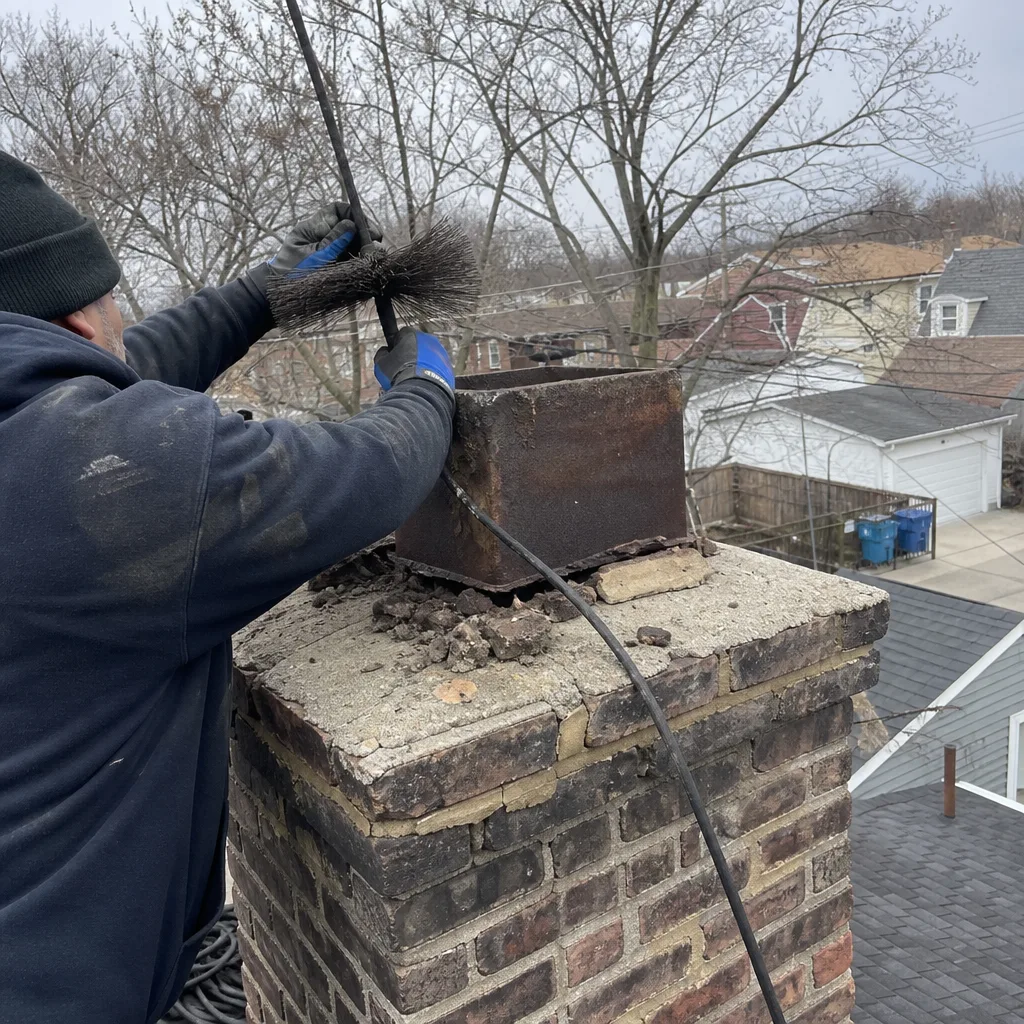 Before
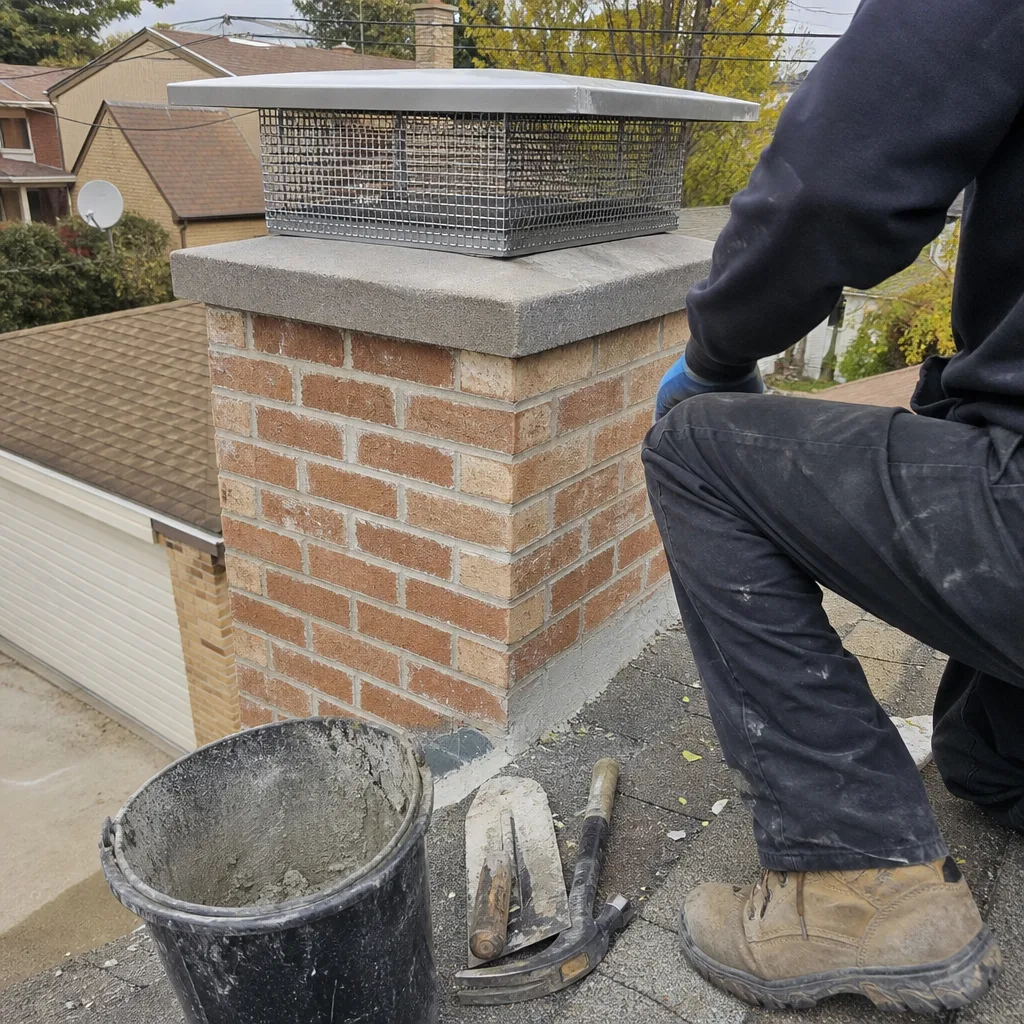 After
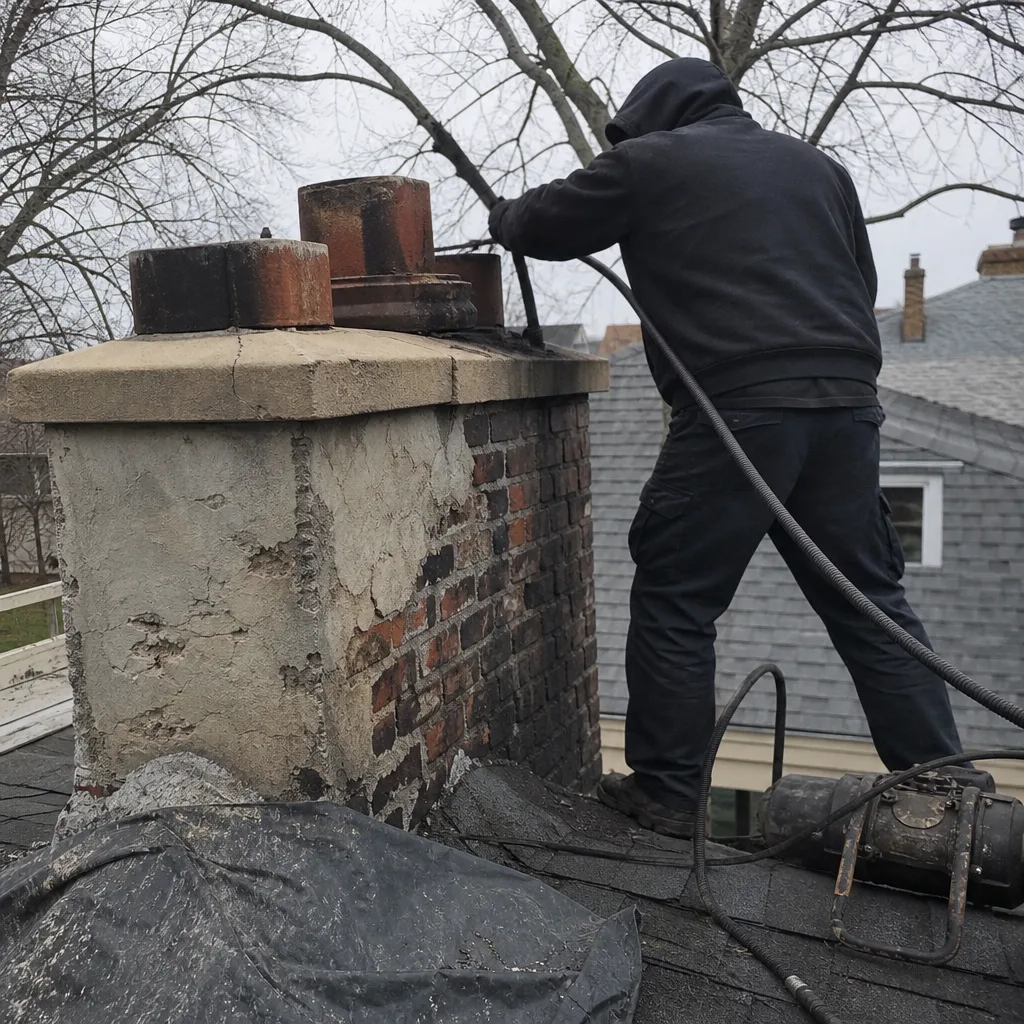 Before
 After
 Before
 After