Last updated October 31, 2026
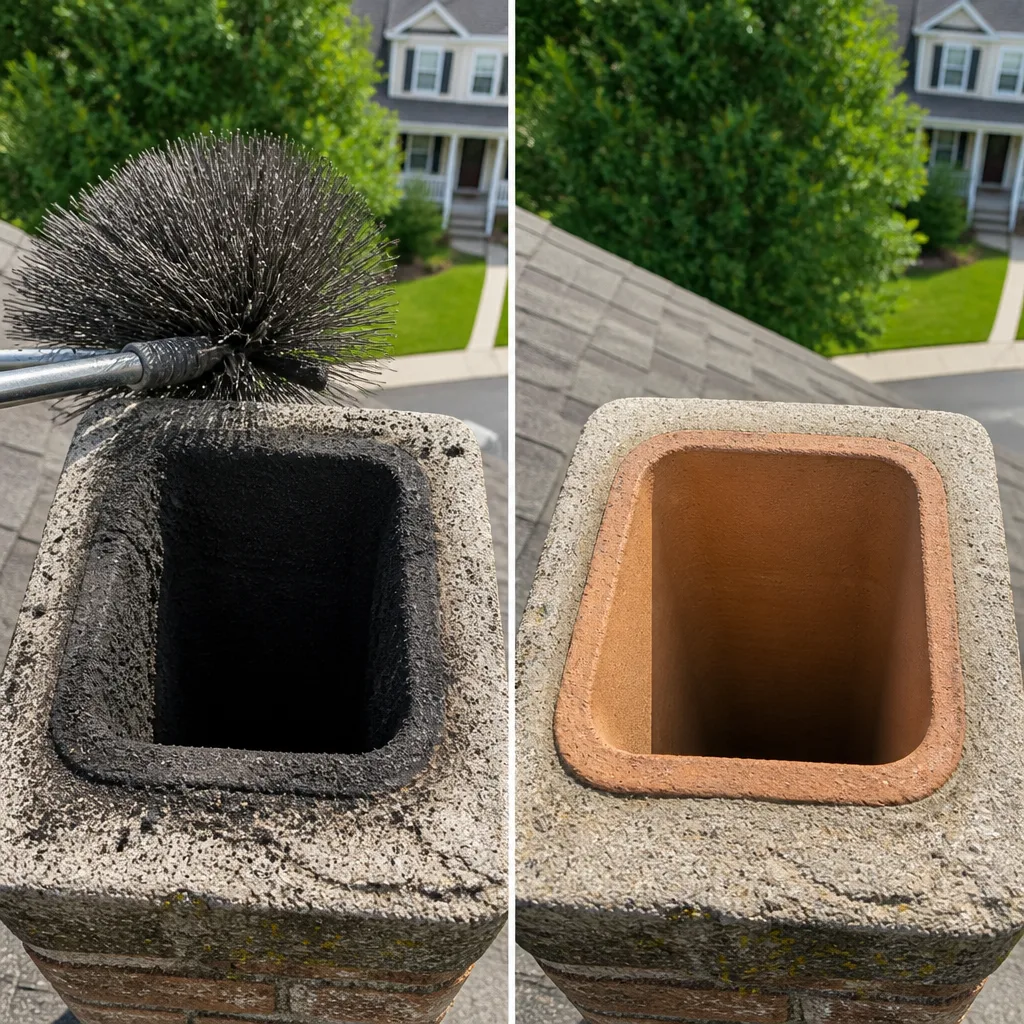 Sweep & inspection
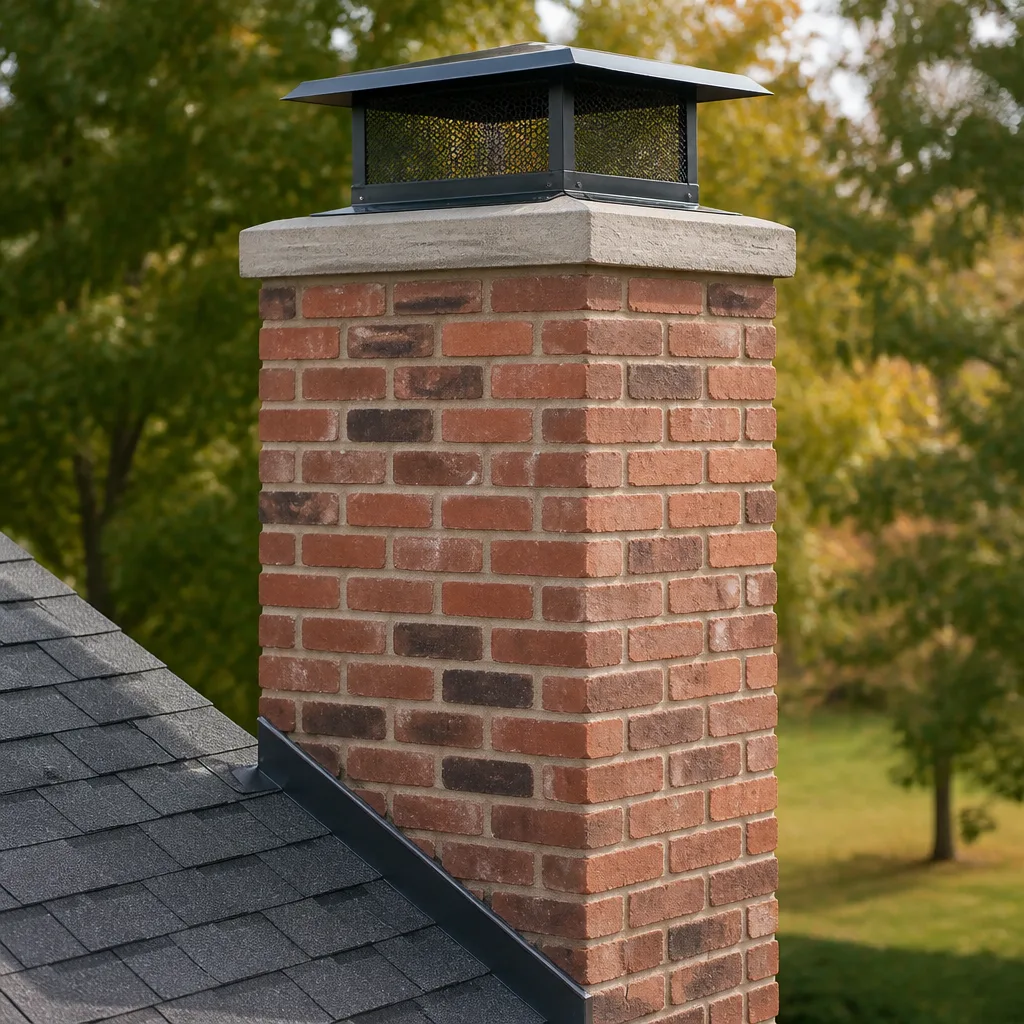 Caps & crowns
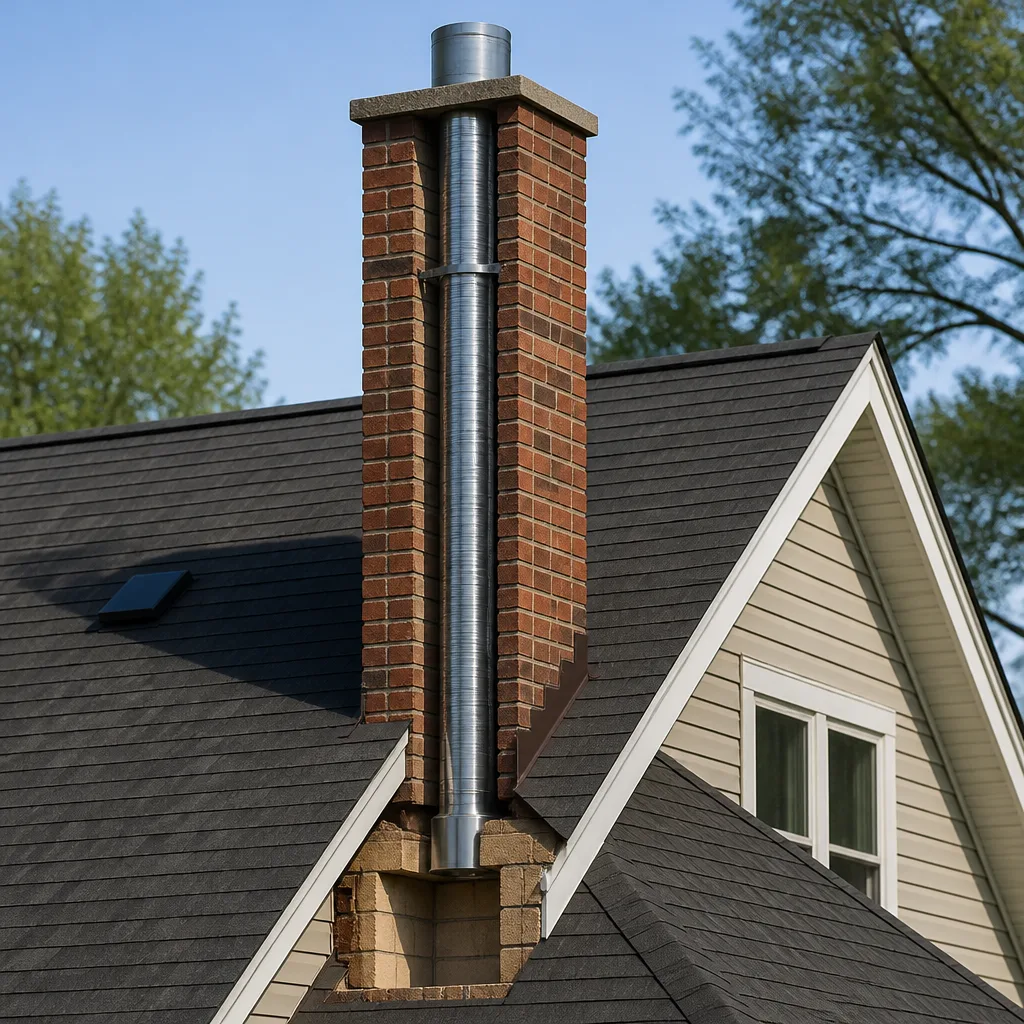 Flue relining
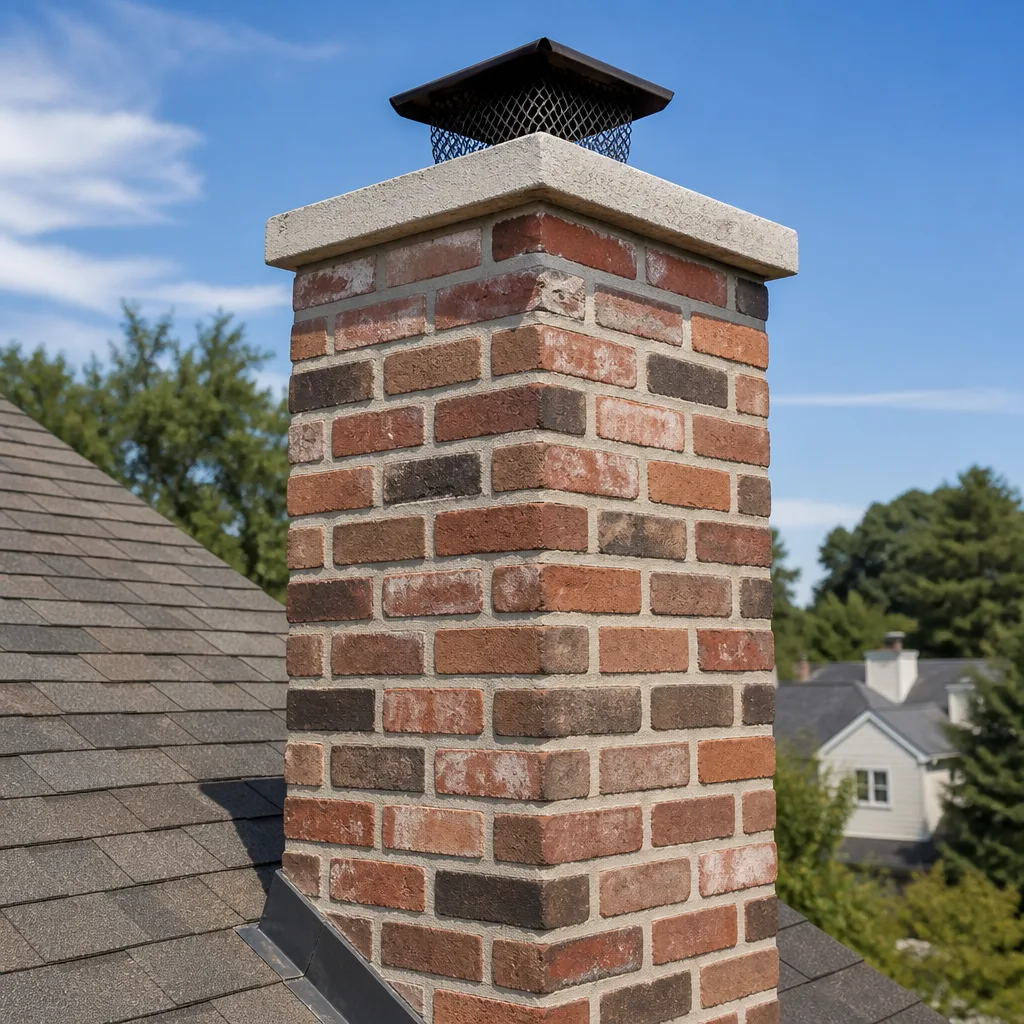 Masonry repair
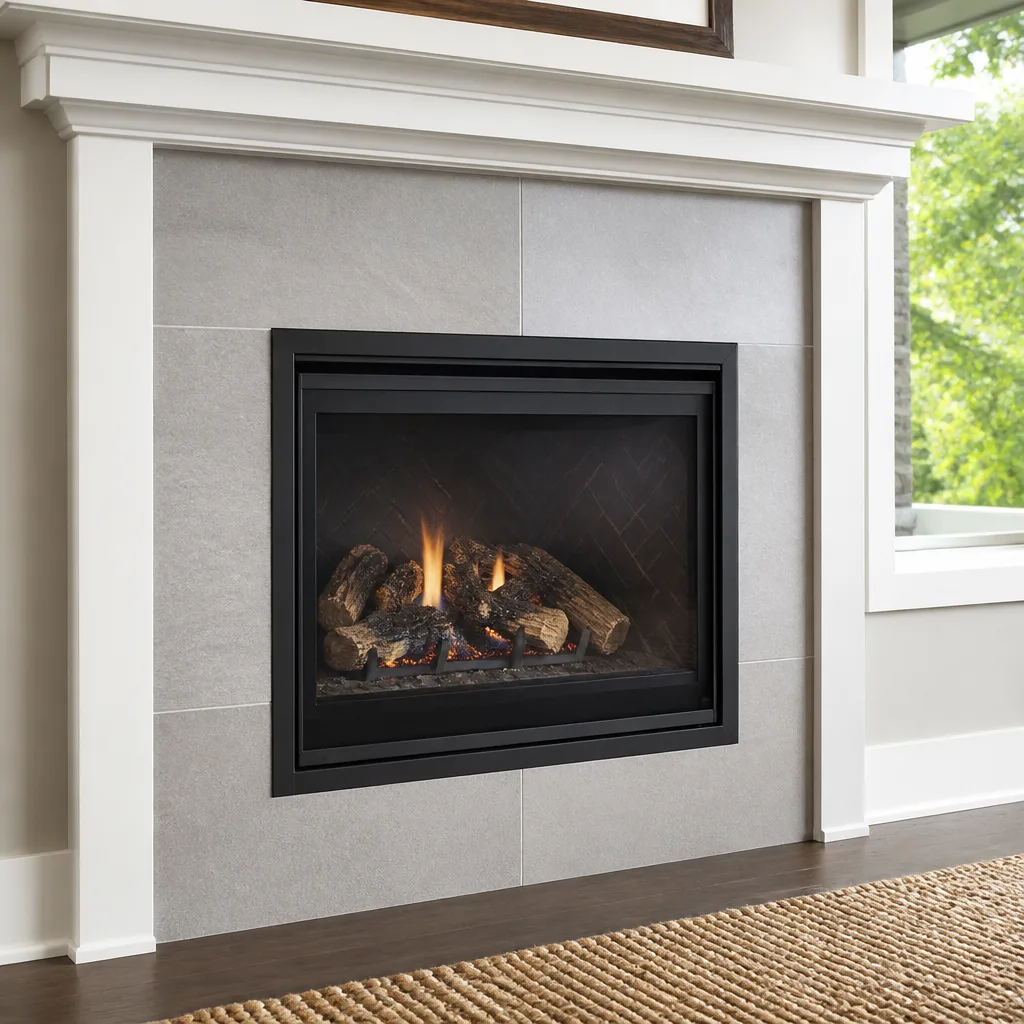 Gas fireplace service
Level 1 sweep and inspection to the NFPA 211 annual standard - flue, crown, cap, and flashing checked and photographed
Chimney sweep logs do not sweep chimneys. They loosen some creosote - which then falls where a brush and vacuum still have to collect it.
Chimney Cleaning Emergency Preparedness Guide for Belmont Cragin Homes
A chimney fire rarely announces itself with flames shooting from the roof. More often, it sounds like a low rumble, a freight train in the distance, or loud crackling above the firebox – and some homeowners mistake it for wind. The first 60 seconds determine whether that fire stays contained inside the flue or spreads into the attic framing around the chase. This guide walks Belmont Cragin homeowners through the three emergency scenarios that actually happen, what to do in each, and the inspection protocol that determines whether your chimney is safe to use again. For more guides & resources, see our blog.
Styles & brands we work with
Quick Answer
Chimney emergency preparedness means knowing three distinct response protocols: how to handle an active chimney fire (close the damper and air inlets, call 911, evacuate), what to do when a blocked flue sends smoke and carbon monoxide back into the living space, and when CO symptoms plus a burning fireplace signal immediate danger. After any of these events, a Level 2 camera inspection by a certified chimney sweep is non-negotiable before relighting.
Table of Contents
- The Three Real Chimney Emergencies in Belmont Cragin
- Chimney Fire Response: First 60 Seconds Protocol
- After the Fire Is Out: What to Do Before Calling a Sweep
- Blocked Flue and Sudden Backdraft: Recognition and Response
- Carbon Monoxide Concerns: When It’s an Emergency and When It Isn’t
- Why a Post-Fire Level 2 Camera Inspection Is Non-Negotiable
- How HeatShield and DuraFlex Liners Respond Differently to Fire Events
- Emergency Contacts Every Belmont Cragin Homeowner Should Save
- Common Mistakes to Avoid
- When to Call a Professional
- Frequently Asked Questions
- The Bottom Line
The Three Real Chimney Emergencies in Belmont Cragin
When homeowners ask us about chimney emergencies, they usually picture one thing: flames shooting from the top of the chimney. But many miss the Chimney Cleaning Warning Signs: A Belmont Cragin Homeowner’s Reference Guide until it’s too late. But after years of working on chimneys throughout Belmont Cragin, we’ve found the reality is quieter and more varied. There are three scenarios that account for nearly every chimney-related emergency call we hear about, and each requires a different response.
1. Active chimney fire. Creosote inside the flue has ignited. This can burn at temperatures exceeding 2,000°F. The fire may be contained within the chimney or it may breach the flue wall and spread to framing. This is the scenario where seconds matter.
2. Blocked flue or sudden backdraft. A bird nest, fallen masonry, or a collapsed liner section is preventing combustion gases from venting. Smoke and carbon monoxide push back into the home instead of up the flue. This can happen suddenly, even with a chimney that worked fine the day before.
3. Suspected carbon monoxide event. CO detectors are sounding, family members report headaches or nausea, and there’s a fire burning in the fireplace. This may or may not be a chimney problem, but the chimney is always a suspect until ruled out.
Belmont Cragin homes face a specific combination of risks here. Many were built before modern flue liner standards, and decades of Chicago winters mean thermal cycling has stressed the masonry. Add in the neighborhood’s density – houses close together, shared wall sections in multi-unit buildings – and a chimney problem that starts in one flue can become a structural issue affecting more than one residence. Our Chimney Sweep in Belmont Cragin page covers the routine maintenance that prevents most of these scenarios, but when something goes wrong, you need to know the emergency playbook, not the maintenance schedule.
Chimney Fire Response: First 60 Seconds Protocol
Most homeowners have never heard a chimney fire described accurately. It doesn’t sound like a campfire. It sounds like a jet engine spooling up, or a train passing overhead, or a persistent low rumble that makes you wonder if the furnace is malfunctioning. Some people describe it as heavy rain on the roof. If you hear this sound and you have a fire burning in the fireplace, treat it as a chimney fire until proven otherwise.
Here is the step-by-step protocol we recommend. Learn this before you ever need it, because when the fire is happening, you won’t have time to search for this page.
- Call 911 first. This is not a wait-and-see situation. Tell the dispatcher you have a chimney fire. The fire department will respond.
- Close the damper completely. This cuts off the fire’s oxygen supply from inside the home. Do this only if you can reach the damper handle safely without putting your face near the firebox.
- Close the glass doors on the fireplace if you have them. This further starves the fire. If your fireplace has an outside air intake, close that as well.
- Evacuate everyone from the home. Do not stay inside to try to “keep an eye on it.” The fire can spread into the chase and attic space without visible flame inside the living area.
- Do not use water on the fire unless directed to by the fire department. Water on a hot masonry chimney can cause thermal shock and crack the flue. Water on a Class A metal chimney can warp it. Let the professionals handle suppression.
- Stay outside until the fire department tells you it’s safe to re-enter. They will check for extension into the attic and surrounding walls using thermal imaging.
One thing we tell Belmont Cragin homeowners is that the fire department’s job is to put out the fire. Their job is not to tell you whether your chimney is structurally sound afterward. That’s the next step.
After the Fire Is Out: What to Do Before Calling a Sweep
The fire department has left. Your house is still standing. Now the real work begins, and the decisions you make in the next 24 to 48 hours matter more than most people realize.
Here’s the sequence we recommend:
- Do not relight the fireplace under any circumstances. Even if the fire seemed small. Even if everything “looks fine.” A chimney that has experienced a fire event cannot be considered safe until inspected by camera.
- Do not use any appliance that vents into the same flue. This includes a furnace, water heater, or boiler if they share the chimney with the fireplace. Post-fire flue damage can affect the entire venting system.
- Close off the room if possible. If there’s visible soot or debris that fell into the firebox, keep the area sealed off from the rest of the house until it’s assessed. This also prevents residual odors from circulating.
- Document everything. Take photos of the firebox, the exterior chimney, and any visible damage. Write down what you heard and when. This is useful for insurance purposes and for the sweep who will be doing the inspection.
- Do not attempt any cleanup of the flue or firebox yourself. Post-fire creosote is a different animal than normal creosote. It goes through stages, and the third stage – the glaze-like, fused creosote that forms when a fire’s heat bakes it – is exceptionally difficult to remove and dangerous to work with without proper equipment and training.
- Call a certified chimney sweep for a Level 2 inspection. This is the inspection that includes camera evaluation of the entire interior flue surface. Anything less thorough after a fire event is insufficient.
In Belmont Cragin, where many chimneys are original to homes built in the 1920s through 1950s, the post-fire condition of the flue depends heavily on what materials were in place before the fire. An unlined or clay-tile-lined chimney that experiences a fire almost always shows cracking or spalling. A properly installed stainless steel liner may survive a small chimney fire with less damage, but even that requires camera confirmation.
Blocked Flue and Sudden Backdraft: Recognition and Response
A blocked flue is subtle until the moment it isn’t. The first signs are often written off as minor annoyances: smoke drifting into the room when the fire is first lit, the fireplace burning slower than usual, a smell of smoke lingering hours after the fire is out. Then one evening the wind shifts, the fire is burning hot, and suddenly the room fills with smoke and the carbon monoxide detector starts screaming.
What’s happening is simple physics: combustion gases have nowhere to go, so they seek the path of least resistance, which is back into the living space. In Belmont Cragin, the most common causes of sudden blockage are animal nests (raccoons, birds, and squirrels all see an uncapped chimney as prime real estate), fallen masonry from a deteriorating crown or interior brick, and collapsed clay tile liner sections that shift after years of heating and cooling cycles.
If you experience a sudden backdraft or smoke event:
- Open windows immediately. Get the air moving out of the house. If the CO detector is sounding, evacuate and call 911 from outside.
- Extinguish the fire if you can do so safely. Close the damper, close the glass doors, and let the fire burn itself out. Do not use water.
- Do not relight until the flue is inspected. A blocked flue doesn’t clear itself. Whatever is blocking it needs to be removed, and a professional should assess whether the blockage caused any damage to the liner or masonry.
- Have the chimney cap checked. If animals have gotten in, you need a properly fitted cap with appropriate screening. This is a prevention issue, not just a cleanup issue.
This scenario is why we emphasize regular Dryer Vent Cleaning in Belmont Cragin and chimney maintenance to our customers. A chimney that’s inspected annually and swept as needed is less likely to have the creosote buildup that turns a small blockage into a full-blown backdraft event. But when it happens, the response needs to be immediate and correct.
Carbon Monoxide Concerns: When It’s an Emergency and When It Isn’t
Carbon monoxide is the chimney emergency most people don’t see coming, literally. It’s colorless, odorless, and the symptoms it produces – headache, drowsiness, nausea – are easy to attribute to something else. Every Belmont Cragin home with a fuel-burning appliance should have CO detectors on every level, and the detectors should be tested regularly. That’s not chimney advice; that’s survival advice.
Here’s how to distinguish between a genuine CO emergency and a detector that’s simply old or low on battery:
- Detector sounding + anyone experiencing symptoms: This is an emergency. Evacuate immediately and call 911 from outside. Do not ventilate and stay inside to “see if it stops.”
- Detector sounding + no symptoms: Evacuate anyway. Call the fire department. They have detection equipment far more sensitive than your home unit. Do not re-enter until cleared.
- Intermittent detector chirping (not full alarm): This is typically a low battery or end-of-life signal. But if multiple detectors are acting up, or if the alarm sounded and then stopped, treat it as a real event until proven otherwise.
- Detector goes off only when the fireplace is in use: This points toward a venting problem. The chimney is not moving combustion gases up and out. Stop using the fireplace, get the flue inspected, and don’t use it again until a sweep has cleared it.
One thing we’ve observed in Belmont Cragin is that homes with older natural draft systems are more prone to CO issues than homeowners expect. The problem is rarely the furnace or water heater alone; it’s that the chimney, sized for the original appliance, is now venting a different appliance configuration, often with a narrower flue path or different draft characteristics. The interaction between appliance and chimney is where CO problems live. A camera inspection shows what’s actually happening inside the flue.
Why a Post-Fire Level 2 Camera Inspection Is Non-Negotiable
After any chimney fire, the structural integrity of the flue is unknown until someone looks at it with a camera. Not with a flashlight from the top. Not with a visual check from the bottom. A camera inspection that travels the entire interior of the flue, from firebox to termination, documenting every inch of the surface.
This is what the National Fire Protection Association calls a Level 2 inspection, and it’s the only appropriate inspection after a fire event, a structural change, a change in appliance, or a property sale. In Belmont Cragin, where home sales are active and many chimneys are decades old, Level 2 inspections are also increasingly common as part of real estate transactions – another reason to have a chimney professional you trust for Chimney Repair in Belmont Cragin work.
What does a cracked liner look like on post-fire footage? The camera shows it clearly: hairline fractures running vertically along clay tiles, sections where the tile has spalled off entirely, gaps between tile sections where creosote has seeped through and bonded to the surrounding masonry. In stainless steel liners, fire damage often appears as warping, buckling, or a collapse of the liner wall. The footage is the evidence. When we show a homeowner a cracked tile on camera, there’s no debate about whether the chimney is safe to use. It isn’t.
This is also where insurance claims are won or lost. A documented camera inspection with clear footage gives the homeowner evidence to submit. Without it, an adjuster has no way to verify the extent of the damage, and many legitimate claims get denied or underpaid. The inspection is the foundation of the entire post-fire process.
How HeatShield and DuraFlex Liners Respond Differently to Fire Events
Not all chimneys are built the same, and the material inside your flue matters enormously when a fire happens. In our work on Belmont Cragin chimneys, we see two primary scenarios: original clay tile liners and modern stainless steel liner systems. Each responds to fire differently, and understanding the difference helps homeowners make informed decisions about repair or replacement.
Original clay tile liners are the most common in older Belmont Cragin homes. They perform well under normal use, but they’re vulnerable to sudden temperature differentials. A chimney fire that generates 2,000°F heat against clay tiles that are already cold from a Chicago winter creates exactly the kind of thermal shock that causes cracking, spalling, and tile separation. After a fire, clay tile damage is almost guaranteed unless the fire was extremely small and brief.
DuraFlex stainless steel flexible liners are a different story. They’re designed to withstand direct flame contact and high-temperature cycling far better than clay. A properly installed DuraFlex liner can often survive a chimney fire with minimal damage, though it still requires camera inspection to confirm. The liner material is stainless, it’s continuous (no mortar joints to crack), and it flexes with the chimney rather than fighting it. When we install DuraFlex liners in Belmont Cragin homes, we’re not just solving the current problem – we’re changing how that chimney responds to a future fire event.
HeatShield cerfiber resurfacing fills a different niche. When a clay tile liner has cracked but the chimney structure is otherwise sound, HeatShield can restore the flue interior without full liner replacement. It’s a specialized application that bonds a ceramic material to the existing flue surface, restoring a continuous, insulated pathway. We’ve used HeatShield on Belmont Cragin chimneys where homeowners wanted to preserve the original footprint without the disruption of a full tear-out. For chimneys that have experienced a fire but show only moderate damage, HeatShield is often the difference between a manageable repair and a complete rebuild.
The right material for the right repair. That’s how we approach every post-fire chimney in Belmont Cragin, and it’s why we stock materials from brands like Olympia Chimney, Famco, and Copperfield alongside the liner systems. A homeowner should never feel like they’re being sold a solution that doesn’t match the actual problem. The camera footage tells the story, and the repair follows the evidence.
Emergency Contacts Every Belmont Cragin Homeowner Should Save
In an emergency, you won’t have time to search for phone numbers. Save these contacts in your phone today. This is the preparedness part of emergency preparedness that most people skip.
- 911 – for active chimney fires, CO alarms with symptoms, or any situation where life safety is at risk. This is always the first call.
- Chicago Fire Department Non-Emergency Line – for post-incident questions, fire reports, or non-urgent safety inspections. The local firehouses serving Belmont Cragin are part of the Chicago Fire Department, and their non-emergency number connects you to dispatch without tying up 911 lines.
- Your gas utility’s emergency line – if you smell gas or suspect a gas appliance is contributing to a CO problem, the utility responds quickly and has detection equipment. In the Chicago area, that’s Peoples Gas. Note their emergency number in your phone separate from your regular utility contact.
- Crossroads Chimney Sweep – (877) 265-6720. Post-fire inspections, blocked flue assessment, and CO venting investigations. We serve Belmont Cragin and the surrounding Chicago neighborhoods, and when a chimney emergency has passed, we’re the call that determines whether the chimney is safe to use again.
- Your homeowner’s insurance provider – have the claims number ready. Post-fire documentation moves faster when the claim is opened while the details are fresh.
If you’re not sure which call to make, err on the side of safety. 911 for anything active or life-threatening. The non-emergency line or Crossroads for assessment and repair. No homeowner ever regretted being too careful after a chimney fire; the regret runs entirely in the other direction.
Common Mistakes to Avoid
- Relighting after a small chimney fire without an inspection. Even a “small” fire can crack clay tiles. Those cracks become pathways for the next fire to spread into the framing. One fire is a warning. Two fires is a pattern. Don’t light the second one.
- Assuming the fire department “checked the chimney” after a fire. The fire department checks for extension into the structure. They don’t perform Level 2 camera inspections, and they won’t tell you the flue is safe to use. That’s not their job.
- Ignoring a chimney that smokes only “sometimes” or “only on windy days.” Intermittent smoking is often early-stage blockage or a draft problem that will worsen. In Belmont Cragin, where winter winds are a factor, a chimney that only smokes on windy days is telling you something about its draft mechanics.
- Cleaning the flue yourself after a chimney fire. Post-fire creosote is in its hardened, glaze-like stage and requires specialized chemical treatments and mechanical removal. DIY attempts rarely work and often damage the flue further.
- Waiting for the morning to investigate a CO detector that went off. CO exposure doesn’t pause overnight. If the detector sounded during the evening and turned off, the gas may still be present at lower concentrations. Evacuate and verify.
- Skipping the chimney cap because “it’s been fine without one.” Animals, debris, and rain all enter uncapped chimneys relentlessly. The cap is the cheapest insurance against the most common cause of blockage. If a raccoon has already visited, the cap becomes a repair item, not an accessory.
- Treating a chimney fire as a one-off event that won’t recur. If a chimney fire happened once, the conditions that caused it – creosote buildup, inadequate drafting, unsafe burning practices – will cause it again unless they’re addressed. The fire is a symptom. The cure is inspection, cleaning, and sometimes repair.
When to Call a Professional
Call a chimney professional after any chimney fire, after any sudden backdraft or smoke event, after any CO alarm that’s been linked to a fuel-burning appliance, and when you’ve noticed animals or debris around your chimney. Call before the emergency happens if your chimney hasn’t been inspected in more than a year, if you’ve purchased a new home in Belmont Cragin and don’t know the chimney’s history, or if you’re noticing smells, smoke, or draft problems that seem to be getting worse. These are the calls that prevent emergencies, and they’re almost always less expensive than the calls that follow one. Crossroads Chimney Sweep offers free estimates in Belmont Cragin – call (877) 265-6720 and we’ll schedule a time that works for you.
Frequently Asked Questions
A chimney fire typically sounds like a low roar, a rumbling noise similar to a freight train, or loud crackling coming from above the firebox. Some homeowners describe it as heavy rain on the roof or wind gusting through the chimney. If you hear any of these sounds and have a fire burning, call 911 and follow the response protocol above. The sound is caused by creosote burning inside the flue, and it will not subside on its own until the fuel is consumed or oxygen is cut off.
No, do not attempt to extinguish an active chimney fire yourself. Close the damper and glass doors to cut off oxygen, evacuate the home, and call 911. Never use water on a hot chimney, as thermal shock can crack masonry and spread the fire. The fire department has the training and equipment to suppress the fire safely, and their thermal imaging can confirm whether the fire has extended into the attic or surrounding structure.
A Level 1 visual inspection in Belmont Cragin typically runs $150 to $250, while a Level 2 camera inspection, which includes full video documentation of the flue interior, generally ranges from $250 to $450 depending on chimney height and accessibility. After a chimney fire, the Level 2 inspection is the only appropriate choice. Crossroads Chimney Sweep provides free estimates – call (877) 265-6720 for an exact quote based on your chimney’s configuration.
The National Fire Protection Association recommends an annual inspection and sweeping as needed, regardless of how often you use the fireplace. Our Chimney Sweep Maintenance Checklist for Belmont Cragin Homeowners can help you stay on track. In Belmont Cragin, where many homes burn wood regularly through the heating season, a yearly sweep before the first fire of fall is the minimum safe schedule. Homes that burn unseasoned wood or use the fireplace daily may need a mid-season sweep as well. Creosote buildup is invisible to the naked eye until it’s significant, which is why the annual schedule matters.
Evacuate everyone from the home immediately and call 911 from outside. Do not re-enter until the fire department has verified that CO levels are safe. After the immediate emergency has passed, have the chimney and all venting appliances inspected by a professional to identify the source of the CO. A CO alarm during fireplace use typically indicates a venting failure, which must be corrected before the fireplace is used again.
Most homeowners insurance policies cover chimney fire damage, but the claim process depends heavily on documentation. A post-fire Level 2 inspection with camera footage provides the evidence adjusters need to verify the extent of the damage. Without camera documentation, claims are frequently denied or underpaid. In Belmont Cragin, where construction costs are high, thorough documentation from a certified chimney sweep makes a measurable difference in claim outcomes. The fire report from the responding fire department is also essential for the claim file.
The Bottom Line
Chimney emergency preparedness comes down to knowing what to do in the first minute, knowing who to call in the first hour, and knowing what not to skip in the first week. A chimney fire demands an immediate 911 call and evacuation. A blocked flue demands ventilation and an inspection before relighting. A CO concern demands evacuation and professional assessment. After any of these events, a camera inspection is the only way to know whether your chimney is safe. Belmont Cragin homeowners who follow this protocol will make better decisions under pressure, get better insurance outcomes, and avoid the cascade of problems that follows an unrepaired chimney. Save the emergency contacts, keep the annual sweep on the calendar, and you’ll probably never need this guide. If you do, you’ll be ready.
Written by the team at Crossroads Chimney Sweep, serving Belmont Cragin since 2014.
See the difference
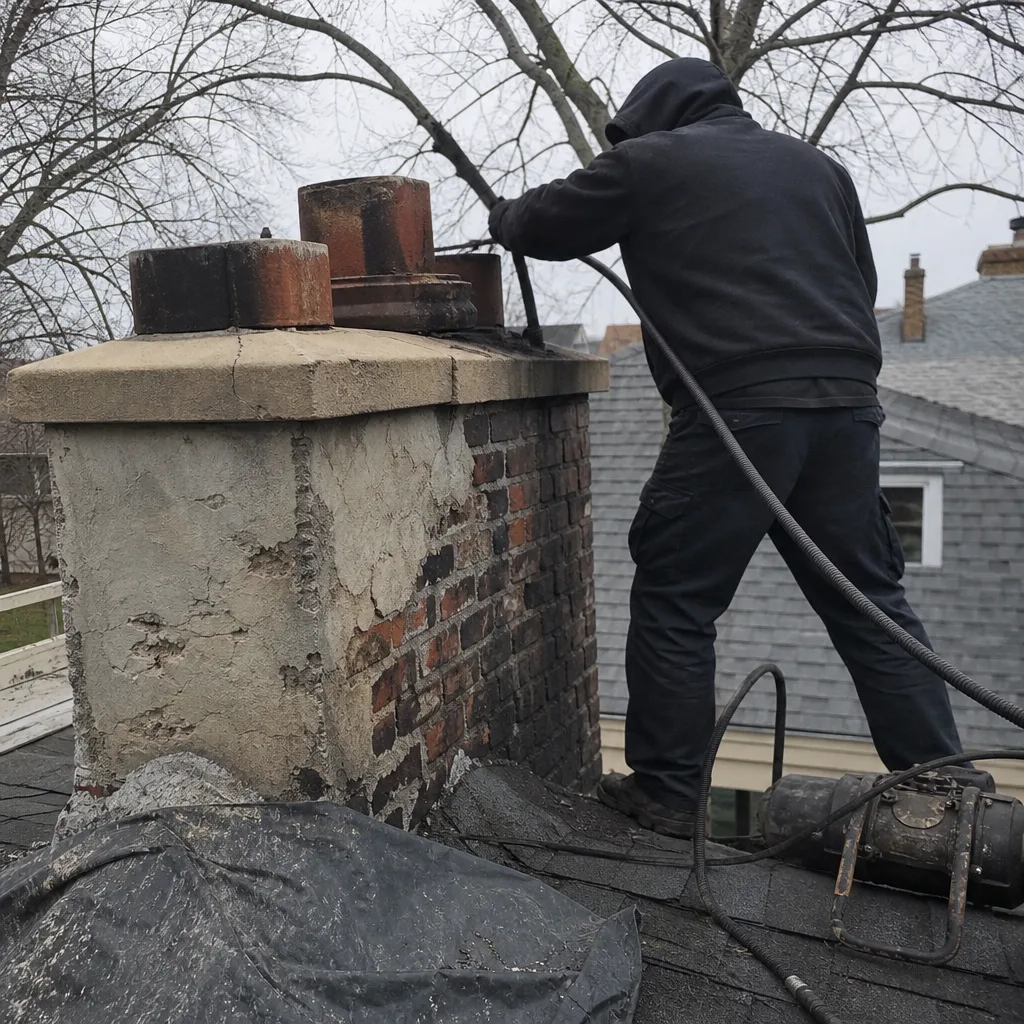
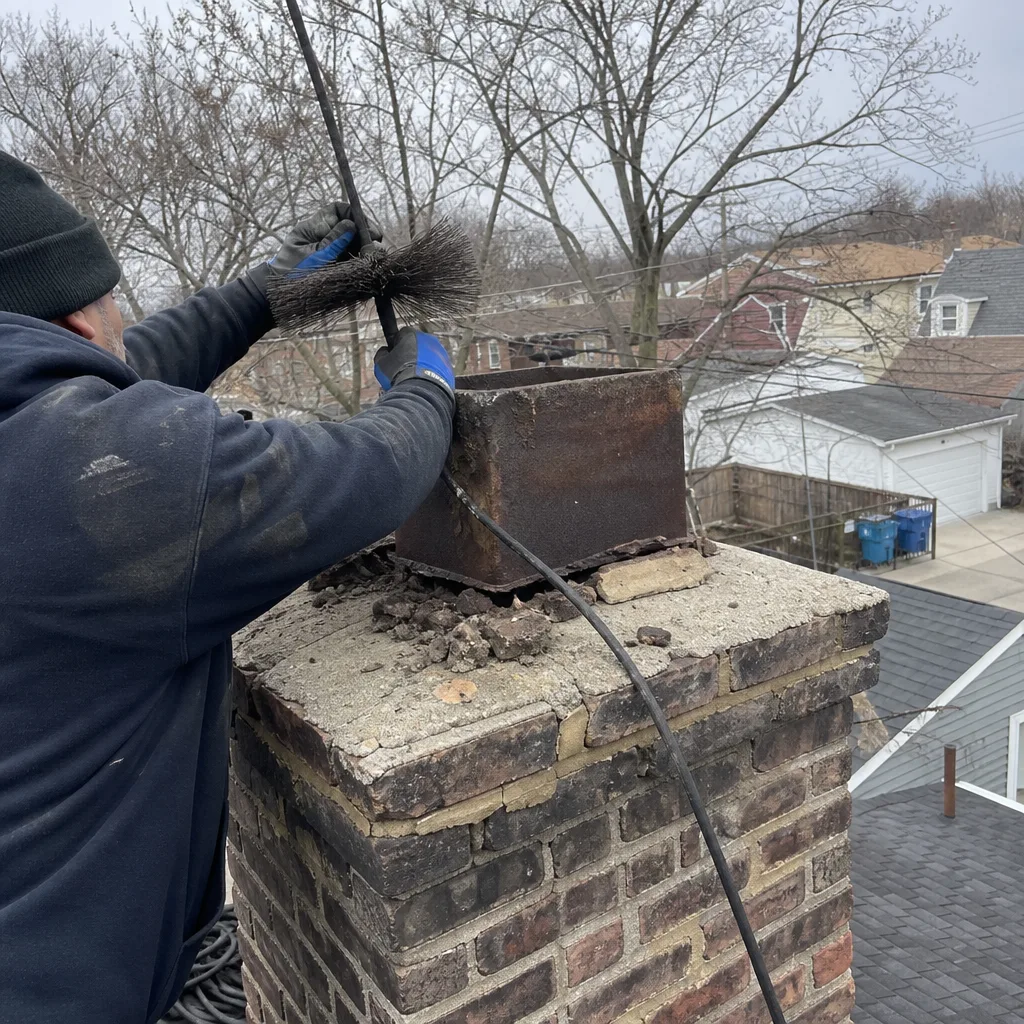 Before
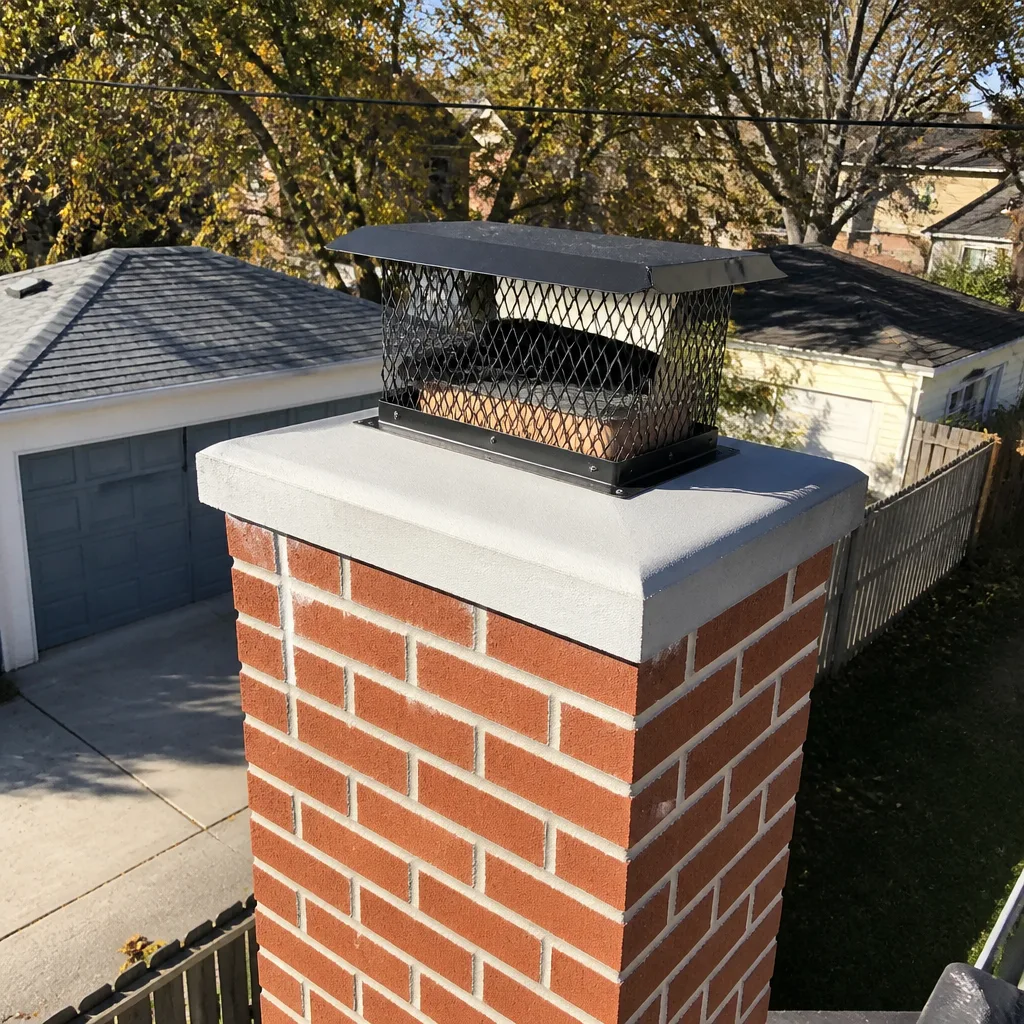
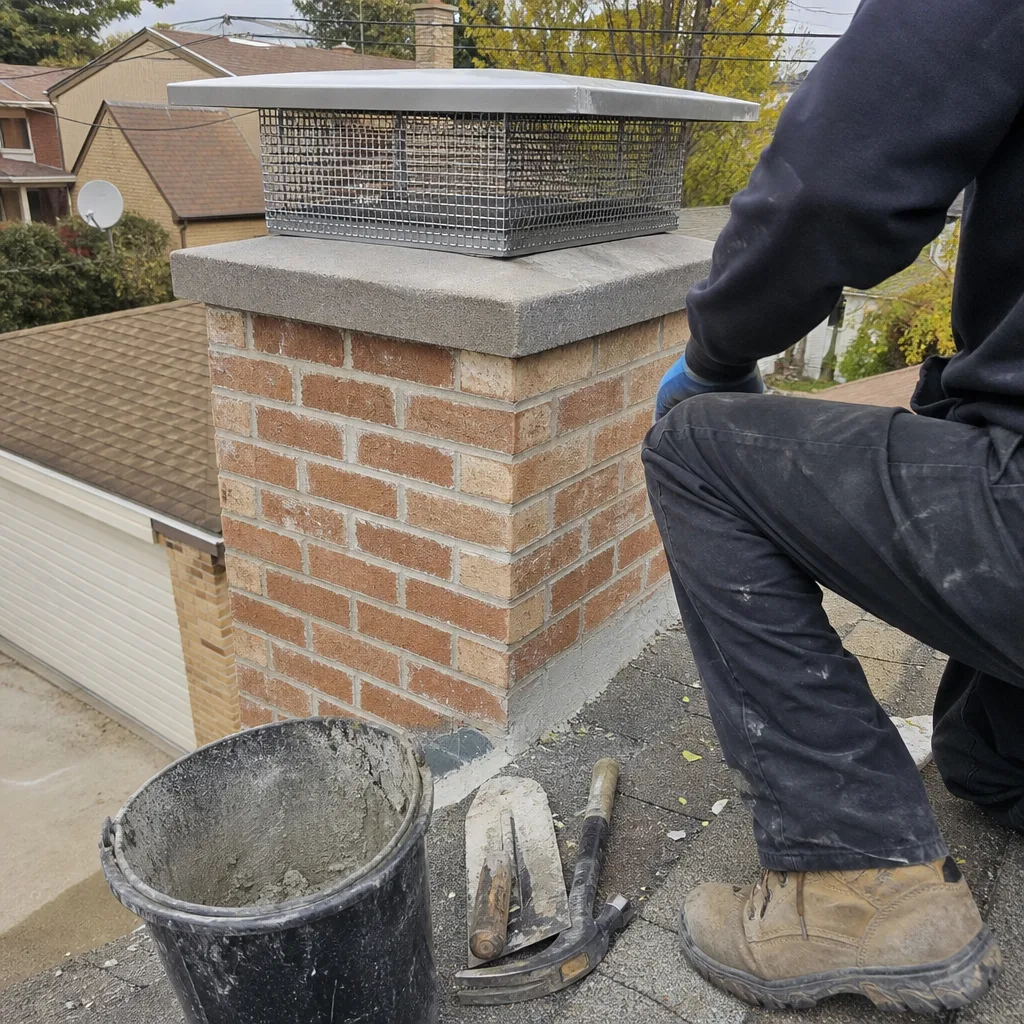 After
 Before
 After
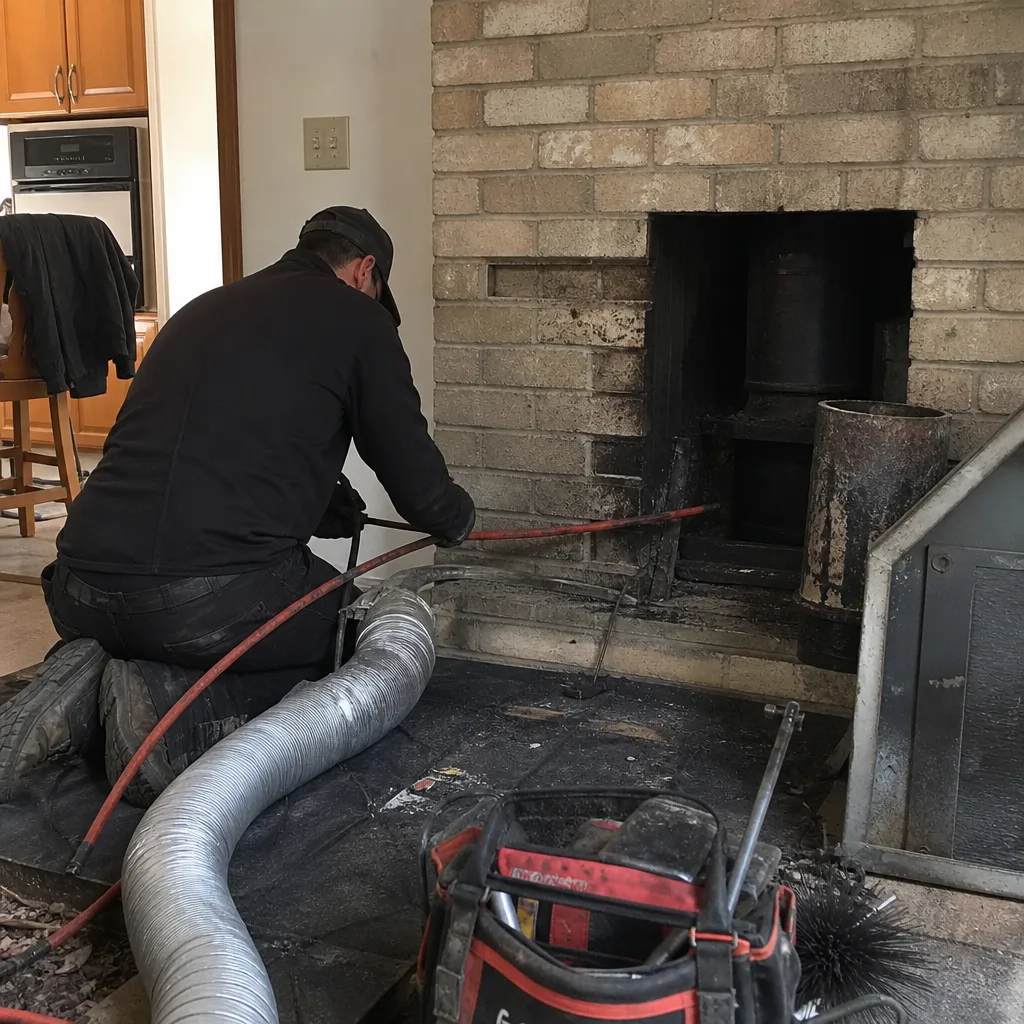 Before
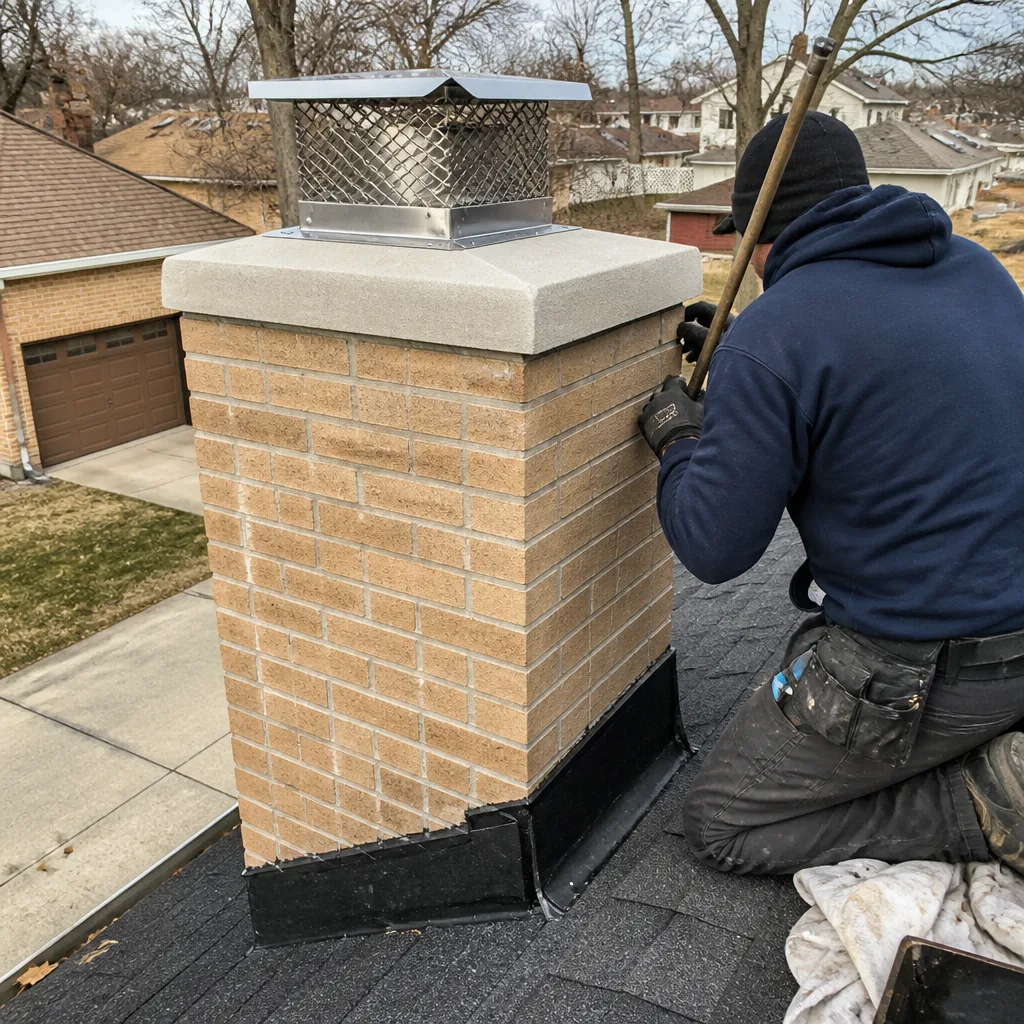 After