Last updated October 31, 2026
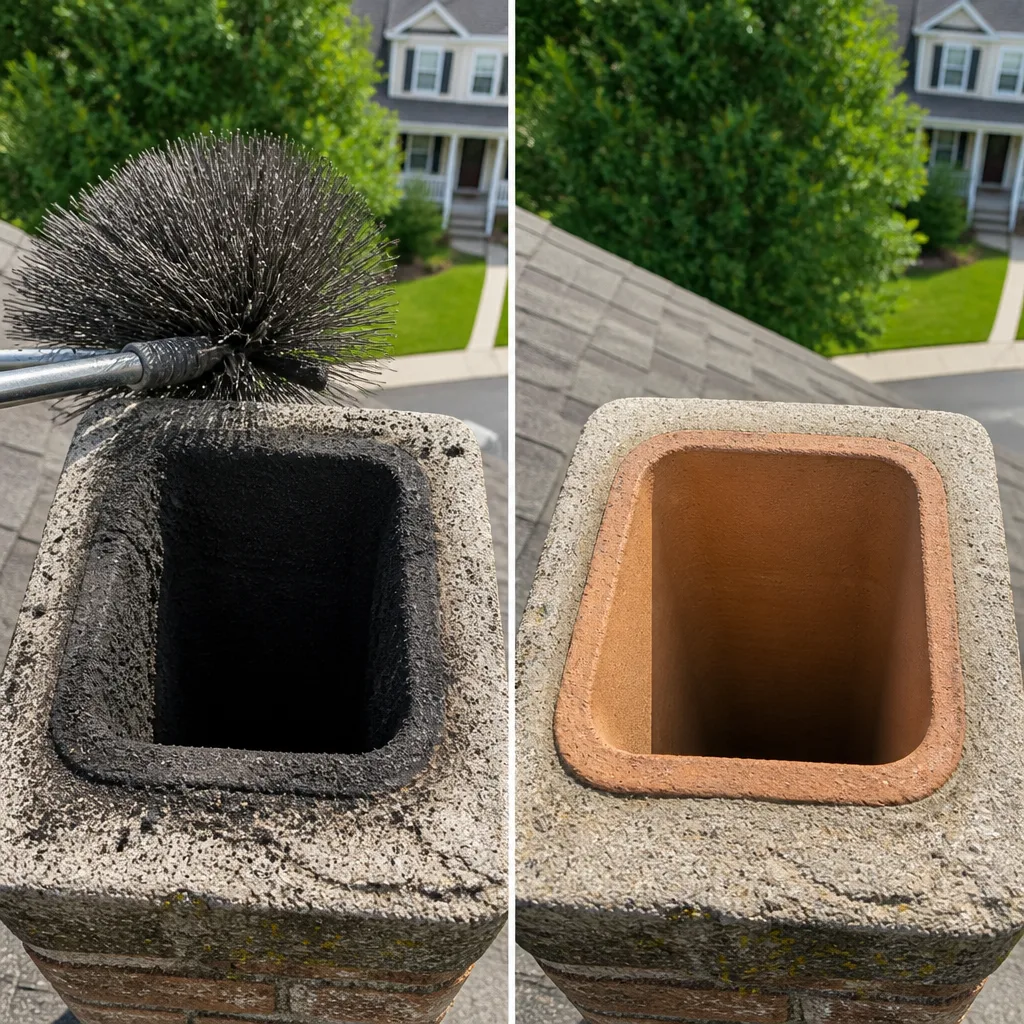 Sweep & inspection
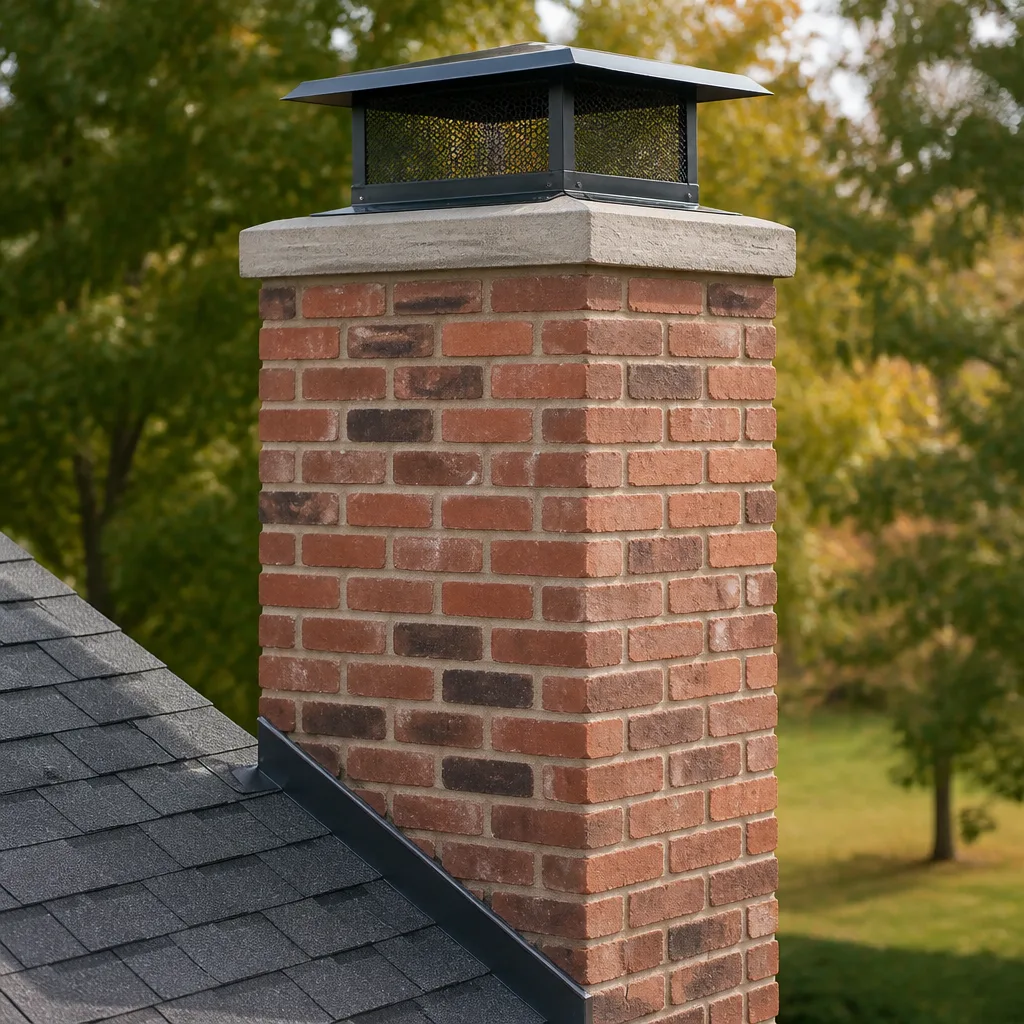 Caps & crowns
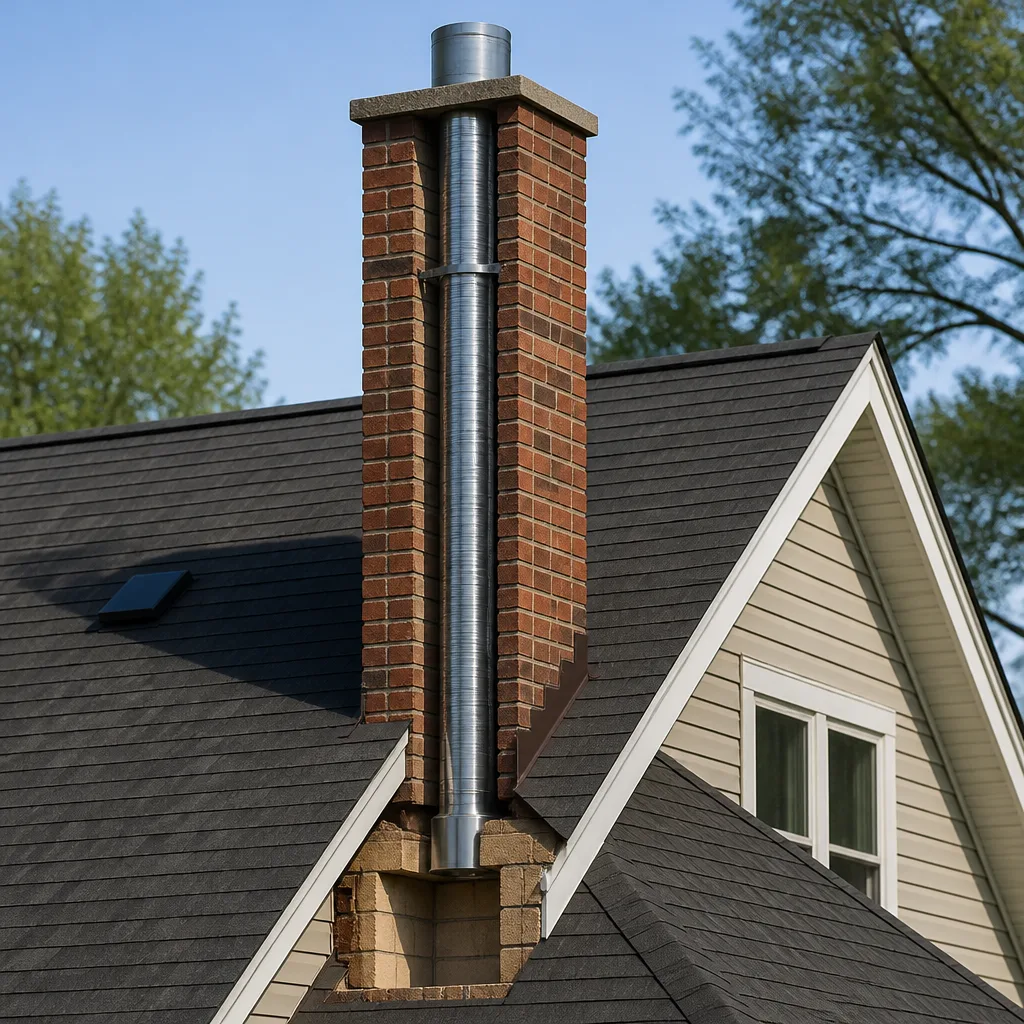 Flue relining
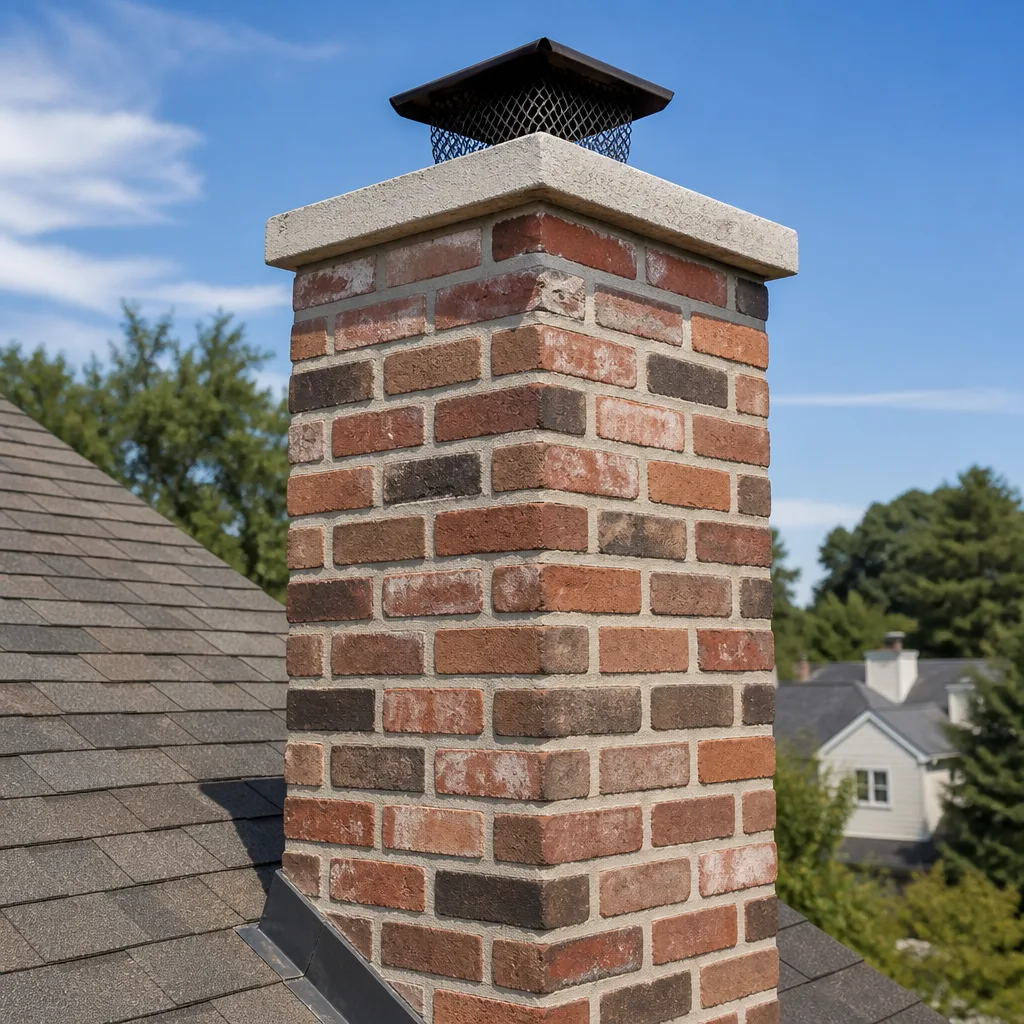 Masonry repair
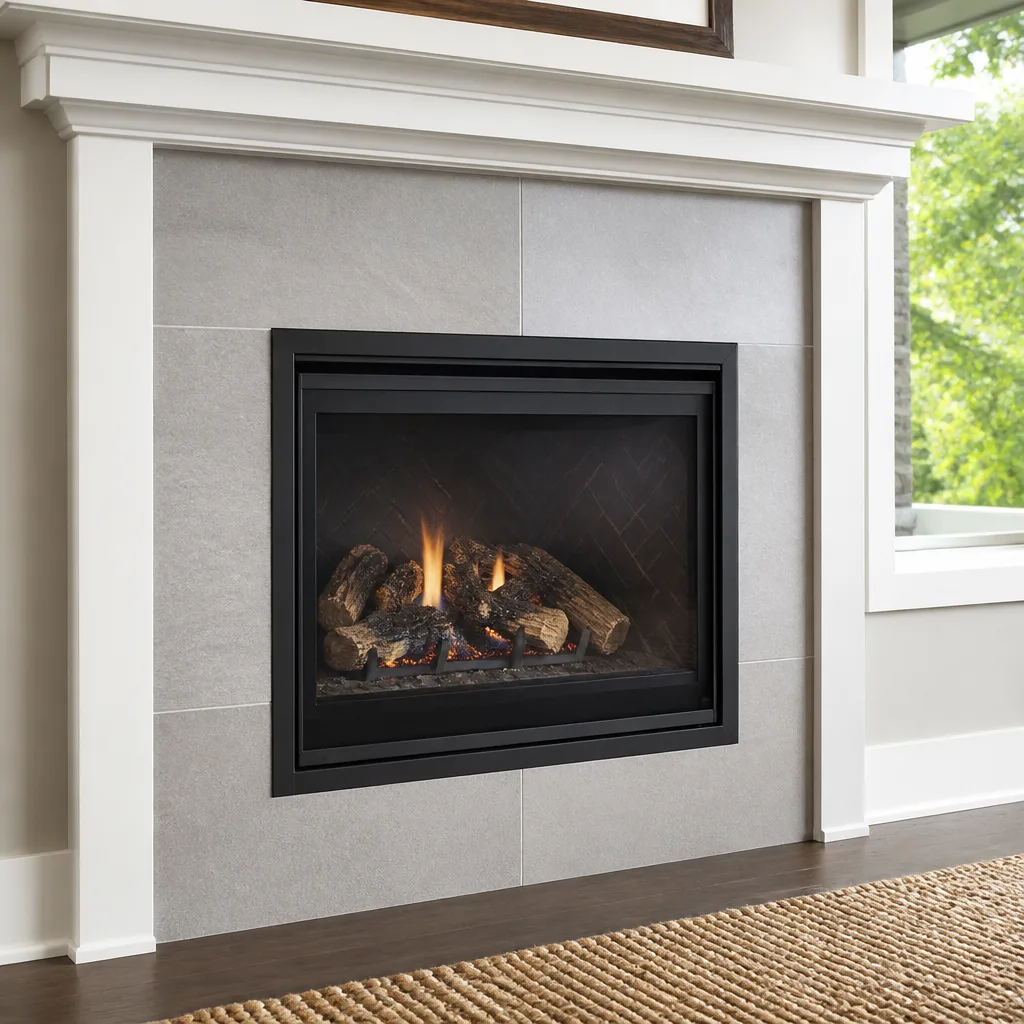 Gas fireplace service
Level 1 sweep and inspection to the NFPA 211 annual standard - flue, crown, cap, and flashing checked and photographed
Chimney sweep logs do not sweep chimneys. They loosen some creosote - which then falls where a brush and vacuum still have to collect it.
Chimney Sweep Troubleshooting: Common Problems and How to Fix Them
Smoke backing into your living room after a cleaning isn’t a sign the sweep did a bad job. It’s often a sign that creosote was the only thing sealing a cracked flue tile, and now the real problem is visible. Most homeowners in Belmont Cragin call us because something stopped working: smoke rolls in when they start a fire, the basement smells like a campfire in July, or the damper won’t budge. What they usually think is a simple dirty chimney is frequently a symptom of a deeper ventilation or structural failure. This guide—along with The Complete Chimney Sweep Guide for Belmont Cragin Homeowners—walks through the most common chimney problems we see in this part of Chicago, what each symptom actually points to, and which fixes are real repairs versus which ones just buy time.
Quick Answer
Chimney problems fall into three broad categories: airflow failures (backdrafting and downdrafting), creosote accumulation (which ranges from flaky first-degree to glazed third-degree), and structural damage (cracked flue tiles, failed mortar joints, or a compromised liner). Most symptoms, including smoke entering the home and persistent odors, are diagnostic clues rather than isolated problems. Identifying the exact cause determines whether a Chimney Sweep, a HeatShield resurfacing, or a full DuraFlex relining is the right fix.
Styles & brands we work with
Table of Contents
- Backdrafting vs. Downdrafting: How to Tell Which Airflow Problem You Have
- What Different Creosote Stages Indicate About Your Burn Habits
- Flue Liner Cracks vs. Firebox Cracks: Reading the Staining Patterns
- Odor Troubleshooting by Smell Type: Musty, Sharp, and Sulfur
- When HeatShield Resurfacing Is the Right Fix vs. a Full DuraFlex Relining
- Seasonal Chimney Issues Belmont Cragin Homeowners Face
- What to Check Yourself Before Calling a Sweep
Backdrafting vs. Downdrafting: How to Tell Which Airflow Problem You Have
Airflow problems in a chimney are not a single condition. They break into two distinct categories, and the fix is completely different for each. In Belmont Cragin, where we see a lot of older masonry chimneys on short ranch and bungalow roofs, both issues are common, but homeowners routinely conflate them.
Backdrafting happens when the chimney reverses flow entirely. Instead of pulling smoke up and out, it pushes combustion gases back into the room. You’ll notice this most often when the fire is lit and the room starts filling with smoke that seems to hug the ceiling before sinking. A backdrafting chimney is essentially competing with the home for air. Modern houses are sealed tight: windows, insulation, vapor barriers. The fire needs makeup air, and if it can’t pull from outside, it pulls from the house itself, choking the flue and reversing the draft. One telltale sign of backdrafting is a cold chimney. Put your hand near the damper before lighting. If cold air is dropping into the room, the flue has lost its thermal column.
Downdrafting is more nuanced. The chimney drafts fine until wind crosses the roof at a certain angle, then a puff of smoke enters the room. Downdrafting is a function of chimney height, nearby rooflines, and cap design. A chimney that terminates below the home’s ridge line or sits too close to a taller structure, like a two-story addition or a neighbor’s roofline, can get hammered by turbulence. The fix for downdrafting is often a chimney cap upgrade designed to disrupt wind patterns, or in persistent cases, extending the flue height.
Here’s how to tell them apart:
- Backdrafting: Smoke enters the room consistently whenever a fire is lit, especially in a tightly sealed house. Often accompanied by a faint smell of smoke in other rooms after a fire, caused by negative pressure pulling air backward through the flue.
- Downdrafting: Smoke enters intermittently, usually on windy days or when the wind comes from a specific direction. The chimney works fine most of the time, then fails suddenly.
The fix for backdrafting often involves opening a window slightly when burning, or in more persistent cases, installing a makeup air vent or upgrading the Chimney Repair in Belmont Cragin. Downdrafting typically calls for a properly sized cap, like the wind-resistant designs we carry through Olympia Chimney, or a flue extension. What neither problem ever needs is more sweeping. A clean chimney that backdrafts is still a backdrafting chimney.
What Different Creosote Stages Indicate About Your Burn Habits
Creosote is not one substance. It forms in three distinct stages, and each tells a different story about how you burn wood. Understanding the difference determines whether a routine sweep is adequate or whether you’re looking at a chemical treatment protocol before the flue is safe again.
First-degree creosote is the flaky, sooty stuff you can brush off with a standard chimney sweep. It forms from hot, efficient burns with dry, seasoned wood. A fireplace that produces mostly first-degree creosote is operating at the right temperature, and an annual sweep handles it. This is what most homes in Belmont Cragin produce during a normal heating season.
Second-degree creosote looks like shiny black cornflakes or granular charcoal. It’s harder, sticks to the flue walls, and signals that the fire is burning cooler than it should. This often happens when homeowners burn unseasoned wood, close the damper too early, or run a wood stove on low air settings for long periods. A standard brush sweep will knock some of it free, but second-degree creosote requires more aggressive rotary tools or chemical treatment to fully remove.
Third-degree creosote, sometimes called glazed creosote, is the dangerous one. It looks like a glossy, tar-like coating baked onto the flue walls. This forms when creosote repeatedly heats and cools without burning off, creating a concentrated, highly flammable shell. Glazed creosote cannot be removed by brushing alone. It requires a chemical treatment, often a product like a creosote conditioner applied over several burns, followed by a specialized cleaning pass. In severe cases, a chimney that has been lined with heavy glazed creosote may need a resurfacing approach to restore a smooth, safe flue surface.
What burn habits create each stage?
- Burning dry, seasoned hardwood at full temperature: first-degree, manageable.
- Burning green or partially seasoned wood, or smoldering fires: second-degree, needs attention.
- Burning frequently at low temperatures with restricted airflow: third-degree, requires chemical treatment before regular sweeping can be effective.
One of the most common mistakes we see in Belmont Cragin is burning construction scrap or treated lumber in a fireplace. The chemicals in pressure-treated wood create a particularly stubborn creosote that resists standard removal. If you’ve burned anything other than seasoned firewood, tell your sweep. It changes the cleaning protocol.
Flue Liner Cracks vs. Firebox Cracks: Reading the Staining Patterns
Two different cracks can look identical to a homeowner. The one in the firebox, where the actual fire burns, and the one inside the flue, which you can’t see from the living room. Both are serious, but for different reasons, and the repair approach differs significantly.
Firebox cracks are visible. You’ll see hairline fractures in the refractory panels or brick at the back or sides of the firebox. These cracks don’t immediately vent gases into the home, but they weaken the firebox’s structural integrity and allow heat to transfer directly to the surrounding framing. In some cases, cracks in the firebox extend through to the exterior masonry, and you’ll see a corresponding crack or spalling on the outside of the chimney.
Flue liner cracks are inside the chimney and usually invisible without a camera inspection. The clue is on the exterior masonry, not in the firebox itself. A cracked flue liner allows hot gases and creosote to escape into the chimney cavity. Over time, that creosote migrates through the masonry and appears as dark staining on the outside of the chimney, often in a vertical streak or a patchy pattern that follows a mortar joint line.
Here’s how to read the exterior staining:
- Dark, vertical staining running up the chimney face: typically indicates a cracked flue liner. Creosote is bleeding through the masonry.
- White, chalky residue (efflorescence) on brick or stone: indicates moisture intrusion, not a liner crack. The chimney is absorbing water, which is a separate issue requiring crown repair or waterproofing.
- Staining concentrated near the roofline or below the crown: often points to a failed crown or flashing, not a liner issue.
- Cracked or chipped bricks with no staining: more likely a freeze-thaw cycle problem, common in Chicago winters, than a liner failure.
In Belmont Cragin, the freeze-thaw cycle matters. Chimneys here absorb water during fall rains, freeze in January, and thaw in March. That repeated expansion and contraction is the primary driver behind both firebox and flue liner cracks. A chimney with a hairline firebox crack that’s never addressed will almost certainly worsen after a few Chicago winters. But before you assume the worst, get a camera inspection. Not every crack means a full relining.
Odor Troubleshooting by Smell Type: Musty, Sharp, and Sulfur
Chimney odors are often the first warning sign that something is wrong, sometimes months before any visible symptom appears. And different smells point to different root causes. In our experience, most odor complaints from Belmont Cragin homeowners are conflated: they smell something and assume creosote, but the nose is actually detecting something more specific.
Musty, damp, or earthy smells point to moisture intrusion. Water is getting into the chimney somewhere: through a cracked crown, failed flashing, or a porous masonry surface. A musty smell in the firebox during summer is almost always moisture related. The fix may involve crown repair, flashing replacement, or a waterproofing treatment on the exterior masonry. In some cases, a specialized chimney cap like a Copperfield design with a full-coverage lid prevents the bulk of summer rain from entering the flue.
Sharp, acrid, or smoke-like smells are creosote off-gassing. This is that campfire-in-July odor that gets worse on humid days. The creosote inside the flue absorbs moisture from the air and releases it along with volatile compounds. A sweep typically resolves this. If the smell returns within weeks of a cleaning, it suggests the flue surface is holding creosote in a way that standard brushing can’t reach, and a resurfacing treatment may be warranted.
Sulfur, rotten-egg, or gas-like smells are different from creosote. This points to a gas appliance venting issue. If you have a gas fireplace or gas water heater venting through the same chimney, sulfur odors suggest incomplete combustion or a blocked vent. This is not a chimney sweep problem alone. It requires checking the appliance, the vent connector, and the overall draft to make sure combustion byproducts are properly exhausted. This is also one of the few chimney-related odors that can indicate a genuine safety issue beyond fire risk, since carbon monoxide is odorless but often accompanies the same conditions that produce sulfur smells.
Our recommendation: pay attention to the specific character of the smell. Write down when it appears, what it smells like, and whether it’s worse after rain or during humid stretches. That information tells a sweep more than “the chimney smells bad” ever will.
When HeatShield Resurfacing Is the Right Fix vs. a Full DuraFlex Relining
The most expensive mistake a homeowner can make is replacing a flue liner when a resurfacing treatment would have solved the problem. The second most expensive is resurfacing a flue that’s structurally unsound and should have been relined. Knowing which situation you’re in takes a camera inspection and an honest read of the damage.
HeatShield resurfacing is a ceramic coating applied to the inside of an existing flue. It restores a smooth, continuous surface and seals minor cracks, gaps, and deteriorated mortar joints. It’s the right fix when the flue liner is still structurally intact but has surface damage: hairline cracks, spalling, or missing mortar between flue tiles. The original liner still holds its shape and position, but it’s no longer gas-tight. HeatShield seals those gaps and prevents creosote and gases from leaking into the chimney cavity. It’s also significantly less invasive than a full relining, which means a faster job and a lower cost in most cases.
DuraFlex flexible liner relining is a full replacement. A continuous stainless steel liner is pulled through the existing flue and connected to the appliance or fireplace. This is the correct fix when the original flue is structurally compromised, meaning the tiles have shifted, collapsed, or separated to the point that no coating can restore integrity. You’d also reline instead of resurfacing if the chimney is being converted, for example, switching from a wood-burning fireplace to a gas insert where the flue sizing requirements change. DuraFlex covers both masonry and factory-built applications, which means it’s suitable for nearly any relining scenario.
Here’s the decision framework we use:
- The original flue tiles are intact and in place, with minor cracking or surface erosion: HeatShield resurfacing is the right call.
- The flue tiles are cracked but not shifted, and the chimney has no significant structural movement: HeatShield should be evaluated first.
- The flue tiles have shifted, collapsed, or the chimney has visible exterior cracks that suggest movement: full DuraFlex relining is the only safe option.
- The fireplace is being converted to a different fuel type or a new appliance is being installed: relining with DuraFlex is typically required to meet sizing and clearance standards.
The key phrase here is “restore, don’t replace.” A competent sweep always looks for the least invasive fix that actually solves the problem. But that requires seeing the inside of the flue, not guessing based on age or exterior appearance. If a contractor tells you a full relining is needed without showing you camera footage, get a second opinion. In Belmont Cragin, where many chimneys are original to the home and have decades of wear, resurfacing is often a viable middle ground between neglect and full replacement.
Seasonal Chimney Issues Belmont Cragin Homeowners Face
Chimney problems in Belmont Cragin follow a seasonal rhythm. The freeze-thaw cycle in Chicago winters is the single biggest driver of structural chimney damage in this area, and we see the consequences every spring. A chimney that was perfectly functional in October can have a cracked crown by April.
Fall: The first fires of the season reveal airflow problems that have been dormant all summer. Downdrafting that wasn’t noticed during warmer months becomes obvious when smoke enters the living room. Fall is also when we recommend scheduling a sweep before the burning season begins, not just for cleanliness but because it’s the best time to catch minor cracks before winter freeze-thaw work turns them into major ones.
Winter: Freeze-thaw cycles put maximum stress on masonry. Water trapped in porous brick expands when it freezes, and over repeated cycles, the brick spalls and the mortar joints crumble. A chimney that wasn’t waterproofed or properly crowned will show damage by January. Fireplace usage is high, which means creosote accumulation happens faster than most homeowners expect. If you’re burning a fire every night, you’re accumulating creosote at a rate that may warrant a mid-season inspection.
Spring: This is when the damage reveals itself. Cracks that formed in January expand in the March thaw. Water intrusion becomes more evident as snow melts and spring rains find their way through failed flashing or a cracked crown. The musty odor complaints spike in spring as trapped moisture sits in the chimney cavity.
Summer: The off-season for burning, but not for repair. Summer is the ideal time to address structural issues, because the chimney is dry, the weather allows for masonry work, and the repairs will be fully cured before the next burning season starts. It’s also when most Belmont Cragin homeowners notice creosote odor, because humidity causes accumulated creosote to release its distinctive smell.
The practical takeaway: schedule a sweep and inspection at the start of fall, act on any structural recommendations before the first hard freeze, and don’t ignore a musty smell in spring. It’s never just a smell; it’s a diagnostic signal.
What to Check Yourself Before Calling a Sweep
You don’t need to be a chimney professional to gather useful diagnostic information. A few simple observations can tell your sweep exactly what they’re dealing with and can save you a service call if the issue is something simple. Here’s what we recommend checking before you pick up the phone.
- Check the damper operation. Open and close it fully. Does it move freely, or does it stick? A damper that won’t fully open restricts airflow and can cause smoking issues that feel like a chimney problem but are actually a mechanical failure at the damper itself.
- Note the smoke pattern. When you light a fire, does smoke roll into the room immediately, after ten minutes, or only on windy days? Immediate backdrafting suggests negative pressure. Delayed issues suggest a cold chimney that needs pre-warming. Wind-dependent issues point to downdrafting and cap design.
- Look for exterior staining. Walk around the outside of the chimney and look for dark streaks, white residue, or visible cracks in the masonry. Take a photo. Staining patterns tell us a lot about what’s happening inside.
- Check the chimney cap. Is it still there? A surprising number of caps blow off in Chicago storms and the homeowner never notices. Missing or damaged caps let rain and animals in, both of which create their own set of problems.
- Inspect the flashing. Where the chimney meets the roof, look for gaps, rust, or lifted flashing. Failed flashing is one of the most common sources of water intrusion, and it’s often visible from the ground with a pair of binoculars.
None of these checks replace a professional inspection, but they give your sweep a head start. When you call Crossroads Chimney Sweep home, tell us what you’ve observed. It helps us bring the right equipment and diagnose faster.
Common Mistakes to Avoid
- Assuming every smoking problem means the chimney needs sweeping. Backdrafting and downdrafting are ventilation problems, not cleanliness problems. A sweep won’t fix a chimney that’s too short or a house that’s too tight.
- Burning green or unseasoned wood. This is the single fastest way to accumulate second-degree creosote in Belmont Cragin. Seasoned hardwood should be cut and split for at least six months before burning, longer for oak.
- Ignoring a musty smell because “it’s just an old house.” Water intrusion doesn’t self-resolve. It gets worse with every freeze-thaw cycle, and what starts as a musty smell becomes a structural repair.
- Using a cleaning log instead of a professional sweep. Chemical cleaning logs can reduce some creosote buildup, but they don’t remove it and they can’t diagnose a liner crack or failed flashing. They’re a supplement, not a replacement.
- Delaying a recommended liner repair because the chimney “still works.” A cracked liner works right up until it doesn’t. A liner failure isn’t an annoyance; it’s a fire and carbon monoxide risk.
- Having a chimney “cleaned” by someone who doesn’t inspect. A sweep without a camera inspection is half a job. The real value of a sweep is finding problems before they become emergencies.
See the difference
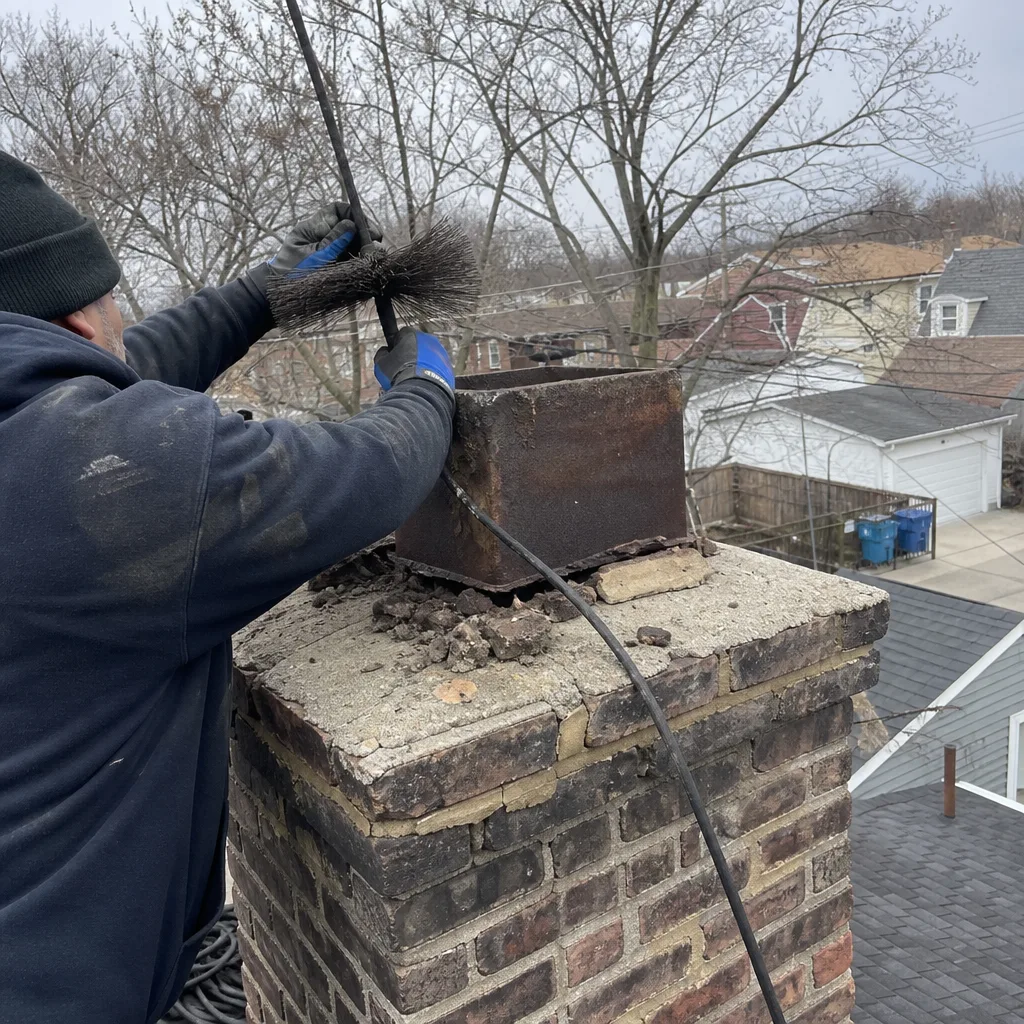 Before
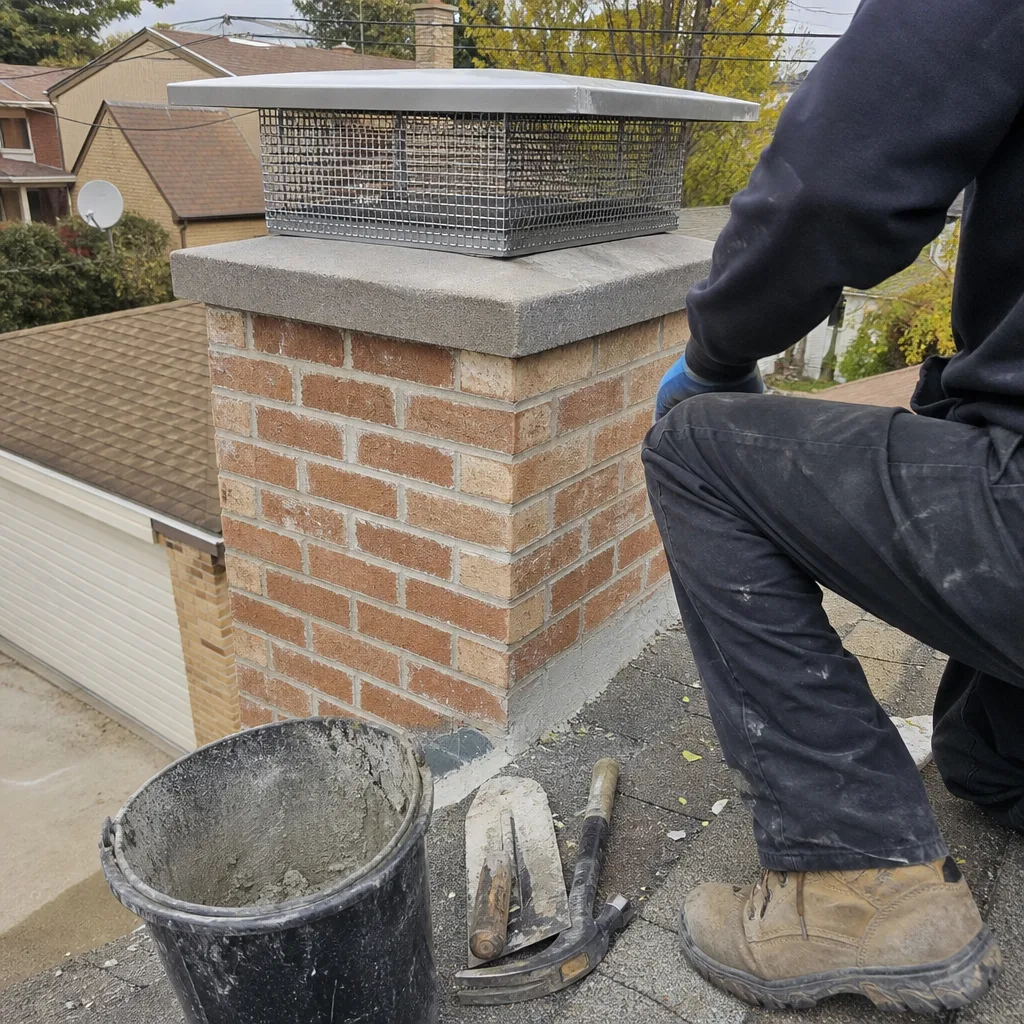 After
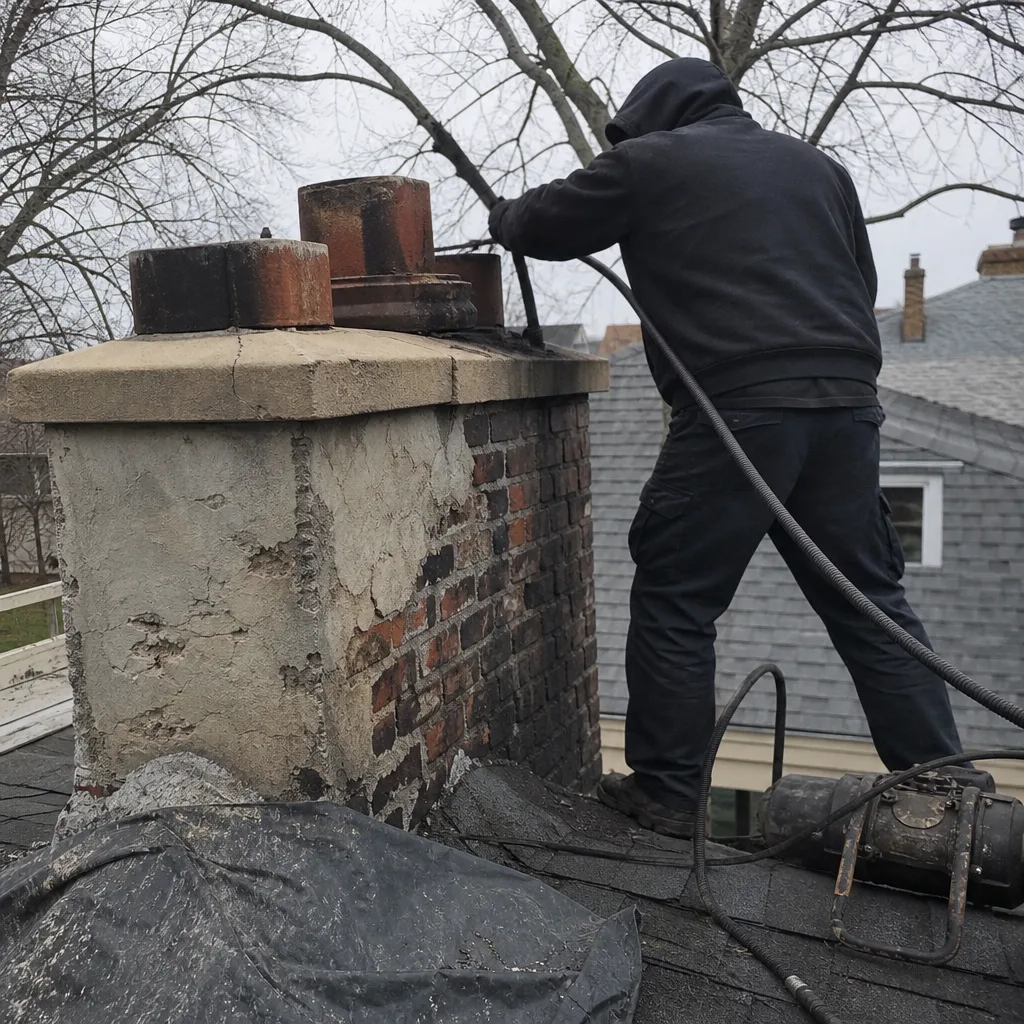 Before
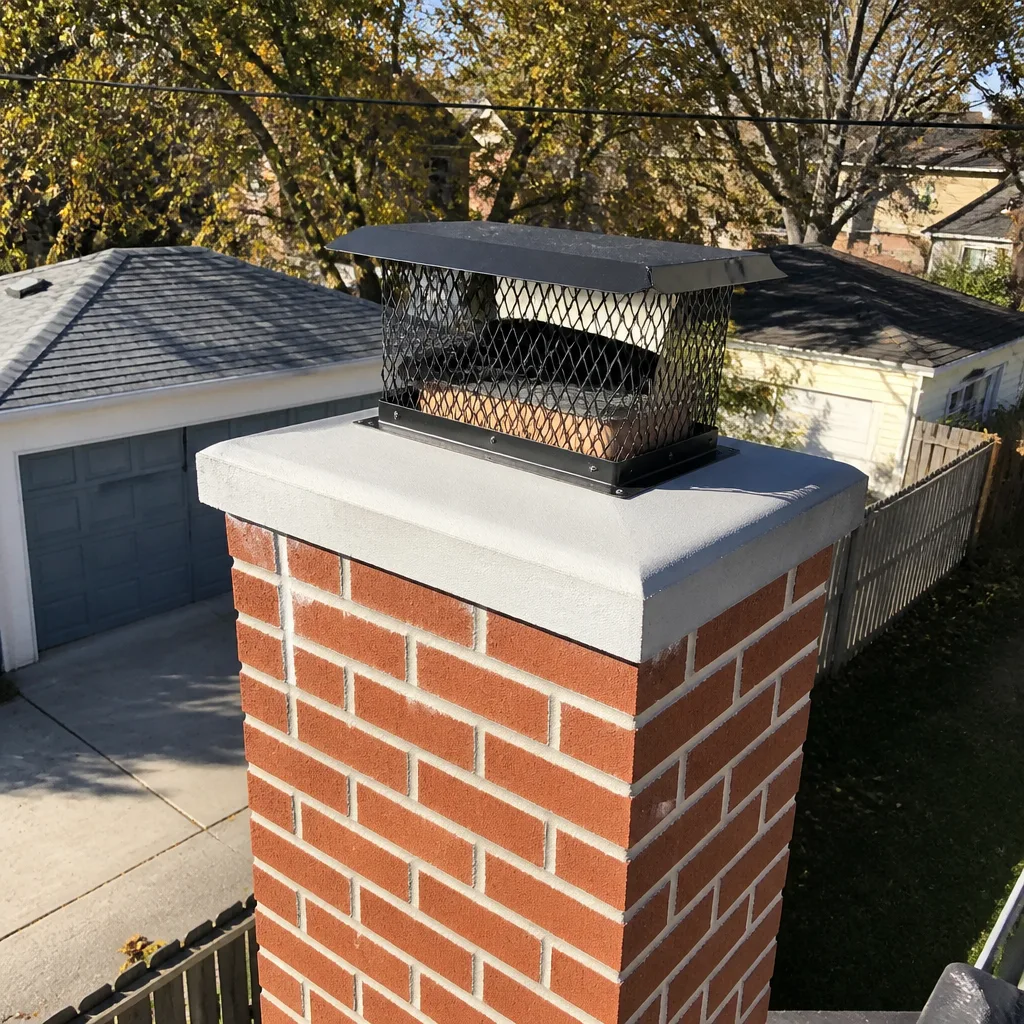 After
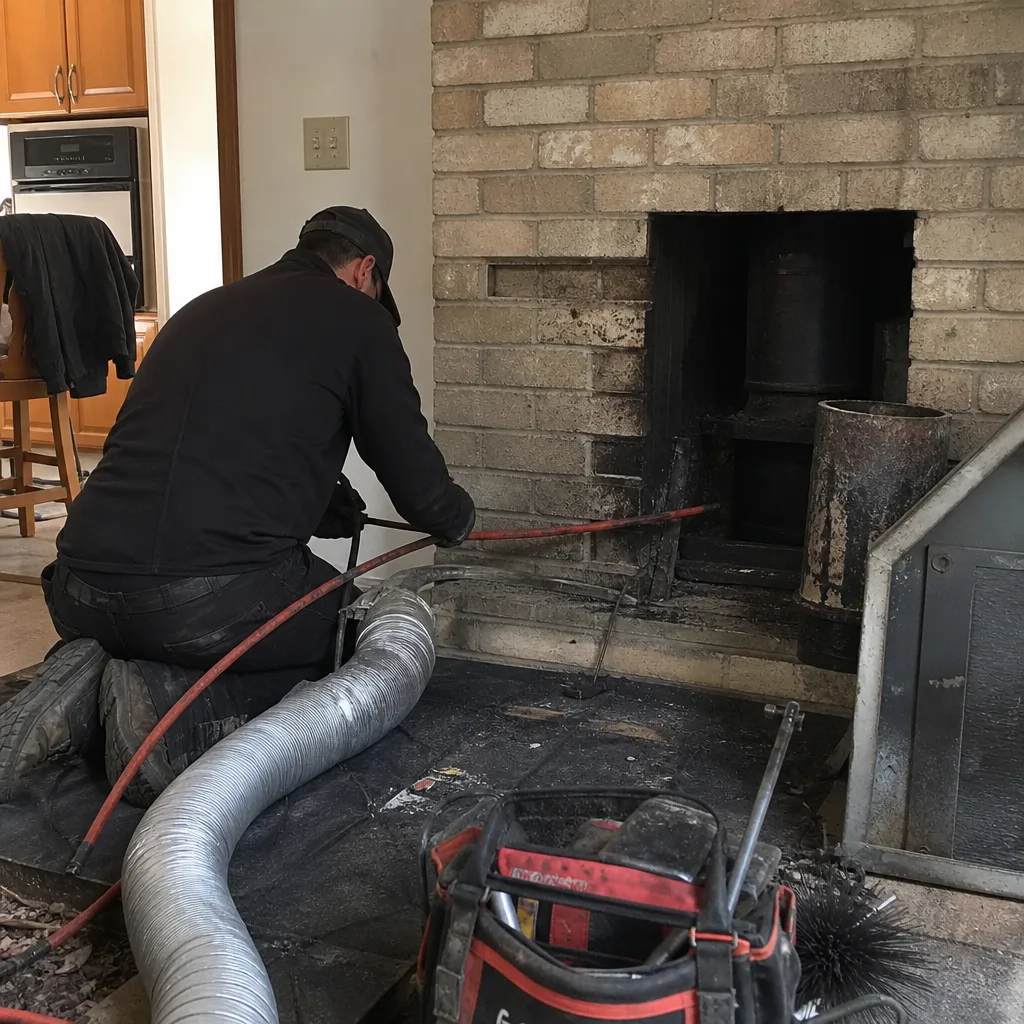 Before
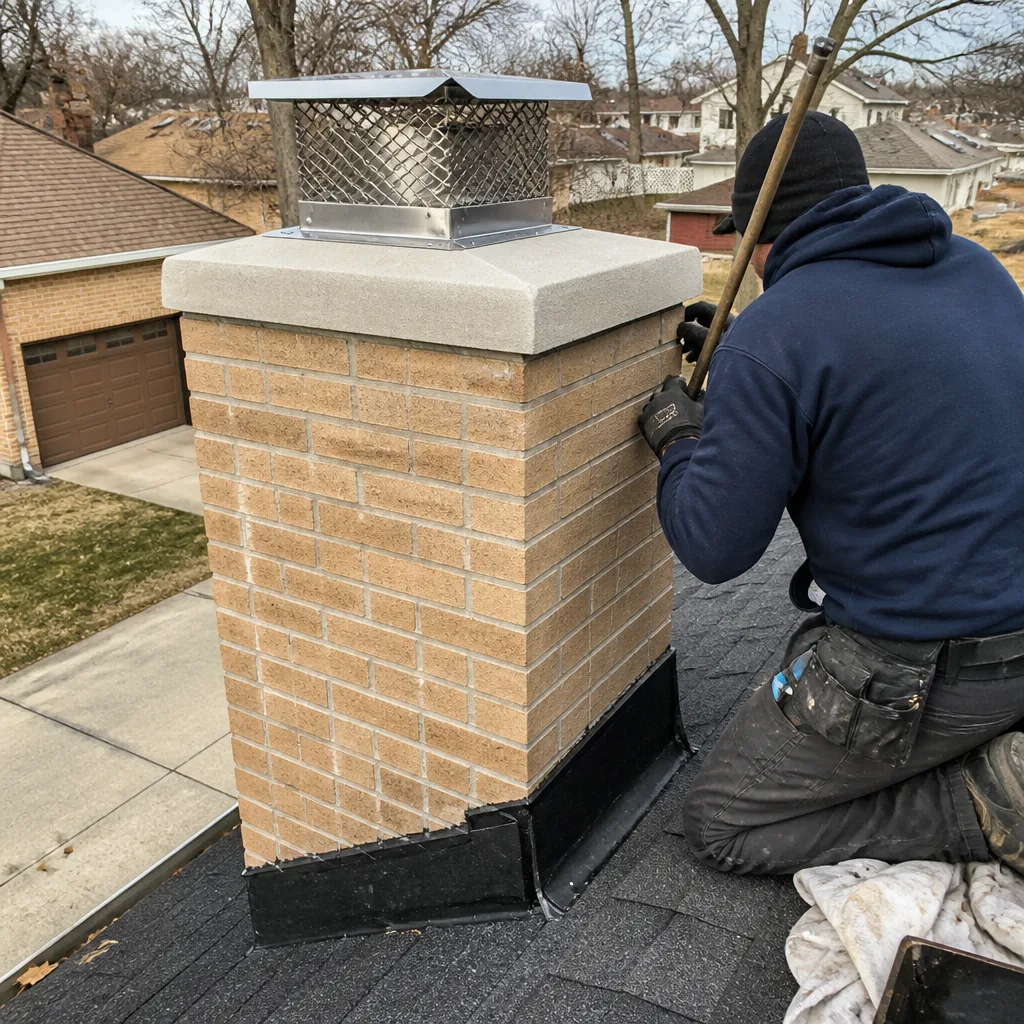 After
When to Call a Professional
Call a professional whenever you see smoke entering the room, notice dark staining on the exterior chimney, smell persistent odors that don’t resolve after a sweep, or suspect a liner crack based on visible symptoms. Any of these signals points to a problem that won’t fix itself and could become dangerous. If you’ve burned a fire and the smoke alarm has gone off, don’t burn again until the chimney has been inspected. Crossroads Chimney Sweep offers free estimates in Belmont Cragin, and our site has more guides & resources. We bring professional-grade materials like HeatShield and DuraFlex to your door, not a one-van generalist approach. Call (877) 265-6720 to schedule an inspection.
Frequently Asked Questions
A chimney sweep in Belmont Cragin typically runs between $150 and $350 depending on the chimney’s condition, accessibility, and the level of creosote buildup. A standard sweep with a camera inspection is on the lower end; a chimney with heavy glazed creosote requiring chemical treatment is higher. Call (877) 265-6720 for a specific quote on your chimney.
Not necessarily. A small crack may be repairable with HeatShield resurfacing if the flue tiles are still structurally intact. The only way to know is a camera inspection. Any contractor who tells you a full relining is required without showing you footage of the inside of the flue should be met with skepticism.
The National Fire Protection Association recommends a sweep and inspection at least once a year, and more often if you burn frequently or notice creosote buildup. In Belmont Cragin, most wood-burning households should be swept once a year before the burning season. If you burn every day through the winter, a mid-season check is worth considering.
Creosote accumulates, and creosote is flammable. A chimney that isn’t swept regularly can eventually support a chimney fire, which can crack the liner and spread to the surrounding structure. Even without a fire, a neglected chimney is more likely to develop water damage, since cracks go undetected until they cause visible problems.
You can, but the real value of a professional sweep isn’t the brushing, it’s the inspection. A trained sweep with a camera can identify a cracked liner, failed flashing, or deteriorating mortar that a homeowner with a brush will never see. Self-cleaning also risks damaging the flue or missing third-degree creosote that requires chemical treatment. For most homeowners, the professional sweep pays for itself in avoided repairs.
Yes. Dryer Vent Cleaning in Belmont Cragin is one of our core services, alongside chimney sweeping and repair. Dryer vents are a leading cause of household fires, and they’re often neglected because homeowners don’t think of them alongside the chimney. We treat both as part of the same fire-safety ventilation system. If your chimney has been checked but your dryer vent hasn’t been cleaned in years, call (877) 265-6720 to schedule both.
The Bottom Line
Chimney problems are almost always diagnostic clues, not random failures. A smoking fireplace tells you something specific about your ventilation. A strange smell tells you whether you’re dealing with moisture, creosote, or a gas venting problem. Staining on the exterior masonry reveals what’s happening inside the flue. The homeowners who pay the least for chimney maintenance over time are the ones who pay attention to these signals and act early, before a small crack becomes a structural repair. A sweep is the starting point, not the solution, because a clean chimney with a hidden problem is still a problem. The right repair, whether that’s HeatShield resurfacing or a full DuraFlex relining, comes from seeing the problem clearly, not guessing. For help selecting a service provider, see Choosing the Right Chimney Cleaning Brand: A Buyer’s Guide for Belmont Cragin.
Call Chimney Sweep in Belmont Cragin at (877) 265-6720 for a free estimate, or reach out to Crossroads Chimney Sweep directly. If your chimney has been acting up, don’t wait until the burning season to address it. The best time to fix a chimney problem is the day you notice it.
Written by the team at Crossroads Chimney Sweep, serving Belmont Cragin since 2014.